
Republicans Propose 40% Tax on Millionaires to Offset $3.8 Trillion Tax Cut
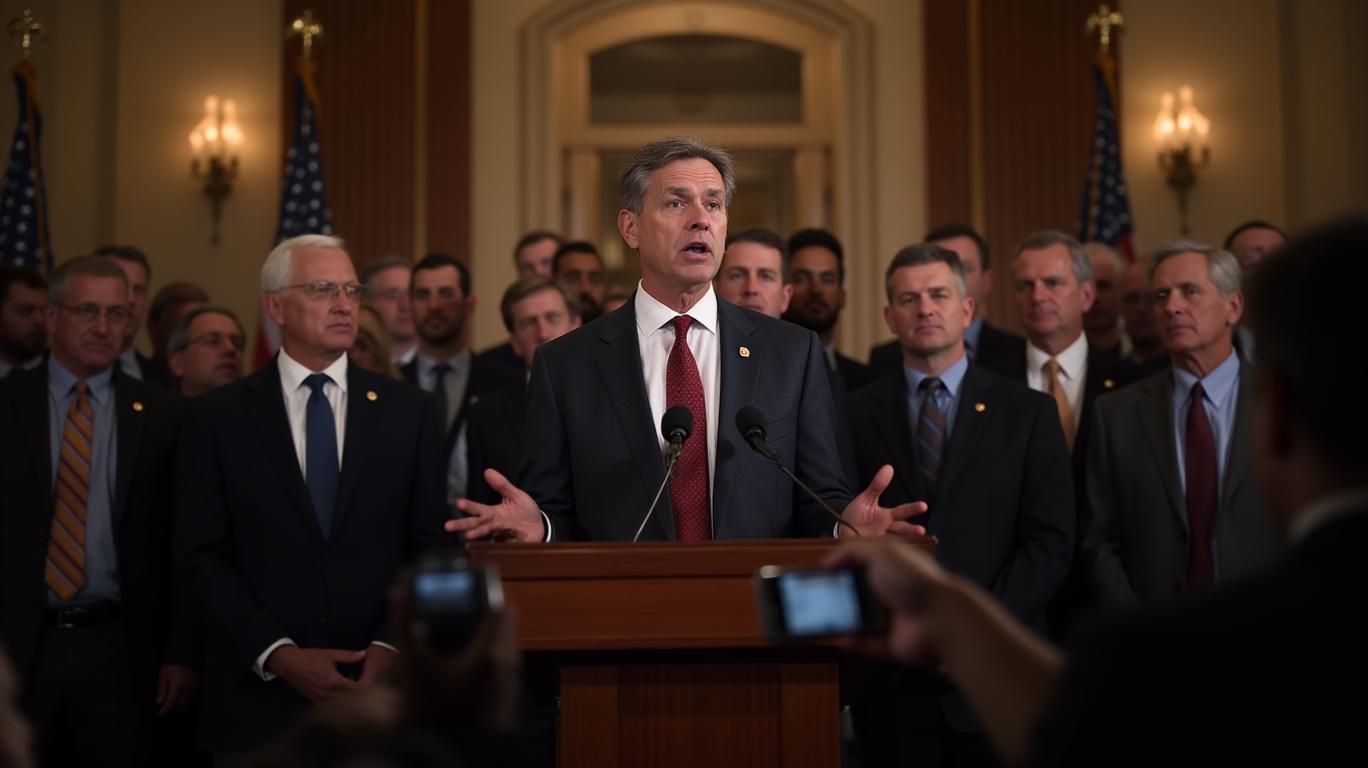
As the expiration of Trump's 2017 tax cuts approaches, the Republican Party is preparing to introduce a new round of tax proposals. The plan includes imposing a 40% income tax on Americans earning over $1 million annually, which is estimated to generate approximately $400 billion in fiscal revenue over a decade. This move is part of a broader strategy to offset the costs of the party's multi-trillion-dollar tax plan. The proposed tax on high-income earners is designed to provide a significant portion of the revenue needed to balance the budget, while also addressing concerns about income inequality. The Republican Party aims to ensure that the wealthiest individuals contribute more to the nation's financial stability, thereby reducing the burden on middle- and lower-income taxpayers. This initiative reflects a shift in the party's approach to taxation, focusing on targeted revenue generation rather than broad-based tax cuts. The proposal is expected to face scrutiny and debate as it moves through the legislative process, with lawmakers and stakeholders weighing the potential impacts on the economy and individual taxpayers.
The proposal to impose a 40% income tax on high-income earners has sparked both support and opposition within the Republican Party. Supporters argue that this measure is politically prudent, as it allows for the creation of new tax relief for the working class, including potential increases in child tax credits. However, this concept diverges from the traditional Republican stance on taxation, which has long advocated for lower tax rates. House Majority Leader Steve Scalise has explicitly stated his opposition to any increase in tax rates, while Iowa Senator Chuck Grassley has indicated that while the Senate Finance Committee will discuss raising the top tax rate, it does not necessarily mean the proposal will be implemented. The debate highlights the internal divisions within the Republican Party regarding the best approach to taxation and fiscal policy.
The discussion around the new tax proposal comes at a critical time, as the U.S. Congress returns to Washington after a six-week recess. One of the primary tasks facing lawmakers is the development of a comprehensive plan to extend Trump's 2017 tax cuts, which are set to expire. In addition to this, Congress will also address new priorities, such as ending the taxation of overtime wages and providing new tax relief for seniors and car buyers. The extension of the 2017 tax cuts is estimated to cost $3.8 trillion over a decade, but through various accounting maneuvers, senators have managed to make this cost appear as $0 in the budget. However, the inability to reduce federal revenue by more than $1.5 trillion through tax cuts has put pressure on Republicans to either abandon some of their tax cut plans or find alternative revenue sources, such as the proposed tax on high-income earners.
The proposed tax on high-income earners is expected to generate approximately $400 billion in revenue over the next decade, partially offsetting the costs of the Republican Party's tax plan. This revenue could be used to fund various initiatives, including increasing the child tax credit from $2,000 to $2,500. The proposal allows for flexibility in setting the tax rate and the income threshold at which the new tax would apply. For example, if the tax were applied to incomes over $500,000, it would affect 75,000 taxpayers and generate $1.5 trillion in revenue over a decade. If the threshold were set at $1 million, it would impact 650,000 taxpayers. This flexibility allows lawmakers to tailor the tax to achieve specific policy goals while balancing the budget.

Stay ahead of the market.
Get curated U.S. market news, insights and key dates delivered to your inbox.


AInvest
PRO
AInvest
PRO



Comments
No comments yet