
Republican Senators Question Trump's Tariff Policy Amid Economic Concerns
Republican senators have expressed unease over President Donald Trump's global tariff policy, citing potential economic repercussions. During a Senate Finance Committee hearing, Senator Thom Tillis from North Carolina questioned the administration's trade representative, Jamieson Greer, about the objectives of Trump's trade strategy. Tillis, who faces a tough re-election battle in 2026, emphasized that the administration has about a year to deliver results that mitigate the financial disruptions caused by the tariffs. "I wish you good luck, but I am skeptical," Tillis stated, highlighting the urgency of the situation.
Tillis's remarks were the most pointed among Republicans, while Democratic senators were more critical of Trump's tariff policy. Senator Ron Wyden announced plans to push for a vote to repeal the broad, global tariffs, aiming to gauge political support for Trump's trade war. A similar proposal to repeal tariffs on Canada had previously garnered support from four Republican senators.
Other Republican senators also voiced concerns about the potential economic harm to their constituents, although they generally supported the goal of achieving "fairer" international trade agreements. Senator Steve Daines from Montana, a close ally of Trump, expressed hope that a full-blown trade war could be avoided, as it would lead to higher prices for American consumers. Despite his concerns, Daines praised Trump's "bold leadership" in negotiating more favorable trade deals for U.S. exporters.
Another Trump supporter, Senator Ted Cruz, warned that a global increase in tariffs could backfire on the Republican Party in the upcoming midterm elections, potentially leading to a "bloodbath." Cruz, in a podcast released last Friday, cautioned that widespread tariffs could destroy domestic jobs and severely damage the U.S. economy.
Following Trump's announcement of the tariff measures, other Republican lawmakers have pushed for Congress to regain more control over import tariffs. Senator Chuck Grassley from Iowa, along with six other Republicans, introduced a proposal to give Congress 60 days to review and approve most tariff measures. The White House has indicated that Trump would veto the bill if it were to pass.
The concerns raised by Republican senators reflect a growing unease within the party about the potential economic fallout from Trump's tariff policies. While many Republicans support the goal of achieving fairer trade agreements, there is a recognition that the current approach could have significant economic consequences. The push for greater congressional oversight of tariff measures highlights the tension between the executive and legislative branches over trade policy.
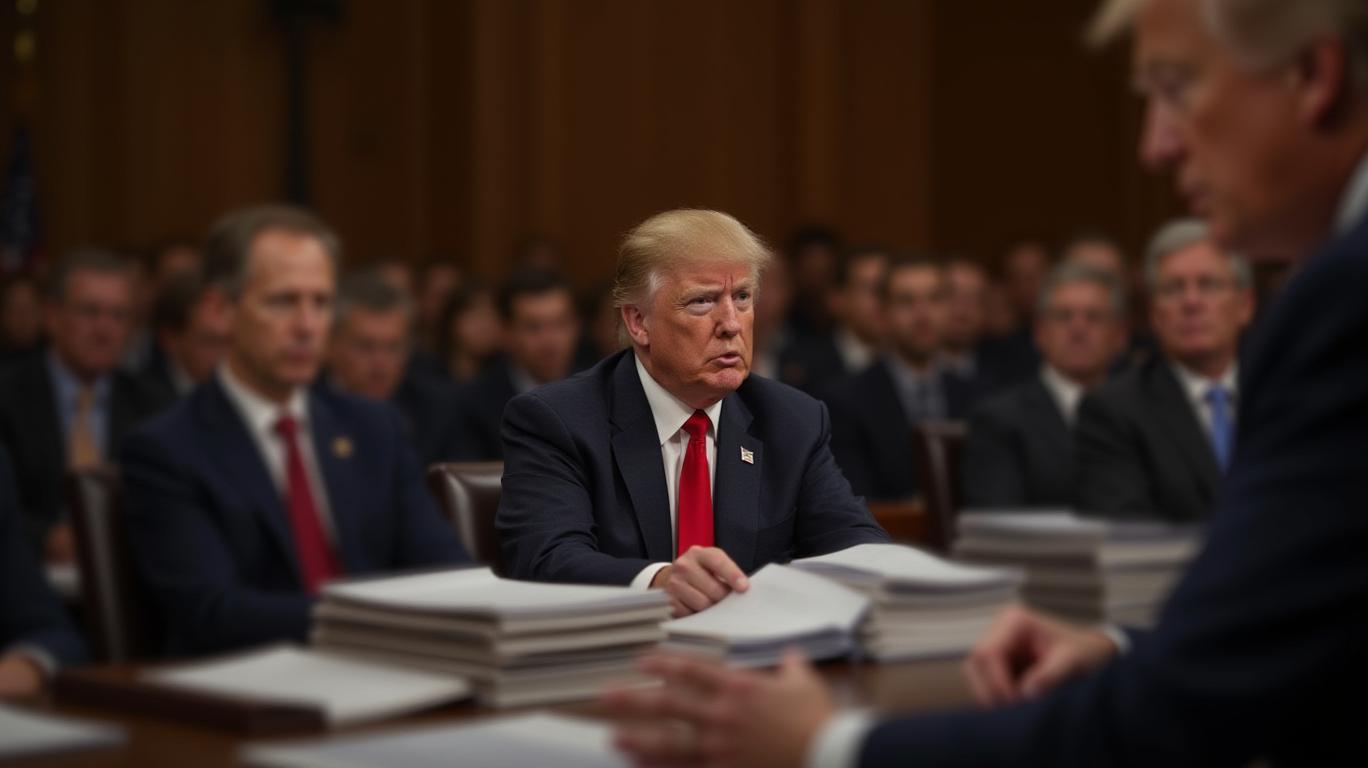
The Senate Finance Committee hearing underscored the complexity of the trade issues facing the U.S. The administration's trade representative, Jamieson Greer, faced tough questions from both Republican and Democratic senators, reflecting the bipartisan concern over the potential economic impact of Trump's tariff policies. The hearing also highlighted the political stakes involved, with senators from both parties seeking to gauge the level of support for Trump's trade war and the potential consequences for their constituents.
As the administration continues to implement its tariff policies, the debate over their effectiveness and potential economic repercussions is likely to intensify. The push for greater congressional oversight of tariff measures reflects a broader effort to ensure that trade policy is subject to greater scrutiny and accountability. The outcome of this debate will have significant implications for the U.S. economy and the political landscape in the lead-up to the midterm elections.

Stay ahead of the market.
Get curated U.S. market news, insights and key dates delivered to your inbox.






Comments
No comments yet