
Renewable Power Projects Power Up Amid Global Energy Uncertainty
 Aime Summary
A 2 MW solar plant is being developed at the Chernobyl site to improve energy resilience and reduce reliance on external power. TMD Friction installed 1,468 solar panels at its Hartlepool factory, generating 590,000 kWh annually. Nuclear power remains a major energy source in five U.S. states, including New Hampshire (61.3%) and South Carolina (57.1%). Proposed changes to New Hampshire's Renewable Portfolio Standards could threaten thermal energy and wood-powered projects. AI data centers consume significant electricity, and the industry is turning to nuclear as a solution for carbon-free power.
The global energy landscape is shifting rapidly. Recent geopolitical tensions, like the war in Iran, have exposed the fragility of fossil fuel supply chains, prompting a renewed focus on energy resilience and cleaner alternatives according to reports. At the same time, technological and regulatory developments are reshaping how companies generate and consume power. From solar installations at manufacturing sites to experimental nuclear reactors, power is no longer just about generation — it's about strategy, stability, and sustainability for investors.
How are companies adapting to the growing demand for renewable and resilient power? TMD Friction, a global leader in braking systems, has taken a step toward its 2030 renewable energy goal by installing 1,468 solar panels at its Hartlepool factory. These panels are expected to generate 590,000 kWh annually, covering about six percent of the site's total energy needs. This is a modest but meaningful move in the broader energy transition — showing how large firms are integrating on-site renewable power to reduce costs and carbon footprints.
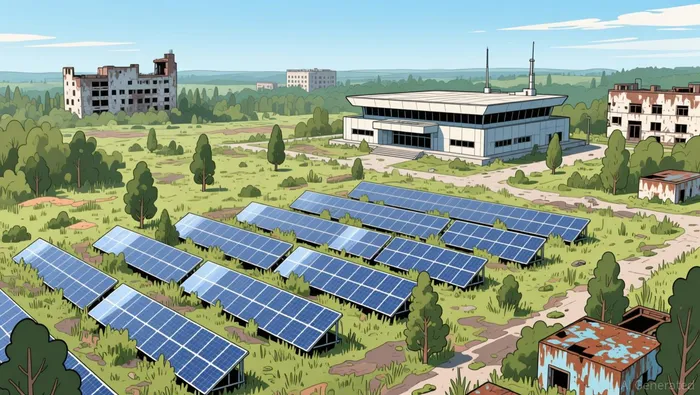
Meanwhile, the Ukraine-based Chernobyl site is preparing a 2 MW solar power plant, a bold initiative aimed at enhancing energy resilience during wartime and grid disruptions according to reports. This isn't just an environmental play — it's a strategic necessity. As the region grapples with power outages and rising electricity costs, the solar project is designed to ensure critical systems remain operational. The project underscores the growing importance of decentralized, resilient energy solutions in politically and geographically vulnerable regions.
Why Is Nuclear Power Still a Key Energy Source in Several U.S. States?
Nuclear energy remains a dominant power source in five U.S. states, with New Hampshire leading at 61.3% of electricity generated from the Seabrook Nuclear Plant according to data. South Carolina, Illinois, Maryland, and New Jersey follow closely. This reliance is driven by a combination of factors — from historical infrastructure investment to the low-emission nature of nuclear power, which aligns with climate goals.
The resurgence of interest in nuclear energy is also tied to technological advancements like Small Modular Reactors (SMRs), which offer a more flexible and scalable solution for power generation. TerraPower, backed by Bill Gates, has received regulatory approval to build a 345-megawatt Natrium reactor in Wyoming. This reactor uses sodium-based cooling and features integrated energy storage, positioning it as a potential stabilizing force in grids with high renewable energy penetration.
How Are Policy Changes Affecting Renewable Energy Projects in New Hampshire?
New Hampshire's proposed changes to its Renewable Portfolio Standards (RPS) have sparked controversy, particularly among smaller renewable energy producers. The RPS program has historically supported projects like those at Britton Lumber, a family-owned sawmill that uses state-created renewable energy certificates to fund a boiler that generates electricity from sawdust according to reports.
Under the new rules, thermal energy and wood-powered projects could face challenges in securing subsidies or incentives, potentially forcing them to scale back or shut down. This shift highlights a growing tension between policy reform and the practical needs of the renewable energy sector. While lawmakers aim to update energy standards, unintended consequences could emerge, particularly for smaller players who rely on these programs to remain viable.
What to Watch in the Evolving Energy Landscape
For investors, the power sector is at a crossroads. The push for carbon-free energy is accelerating, but it's not a one-size-fits-all solution. Nuclear power is gaining renewed interest due to its reliability and low emissions, while solar and wind continue to expand. However, policy shifts, like those in New Hampshire, could disrupt the momentum of certain projects.
The AI industry, meanwhile, is becoming a major player in the energy conversation. Data centers require vast amounts of electricity — comparable to 200,000 American homes — and the industry is exploring nuclear energy as a potential long-term solution. While fossil fuels are still being relied upon for now, the pressure to find sustainable alternatives is growing.
As the energy transition unfolds, investors must consider not just the technologies involved but also the regulatory, political, and economic factors shaping the sector. The next few years could bring significant changes in how power is generated, distributed, and consumed — and those who adapt early may find themselves in a strong position.

Stay ahead of the market.
Get curated U.S. market news, insights and key dates delivered to your inbox.


AInvest
PRO
AInvest
PRO



Comments
No comments yet