
Renewable Energy Education as a Strategic Investment in Future Workforce Demand


 Aime Summary
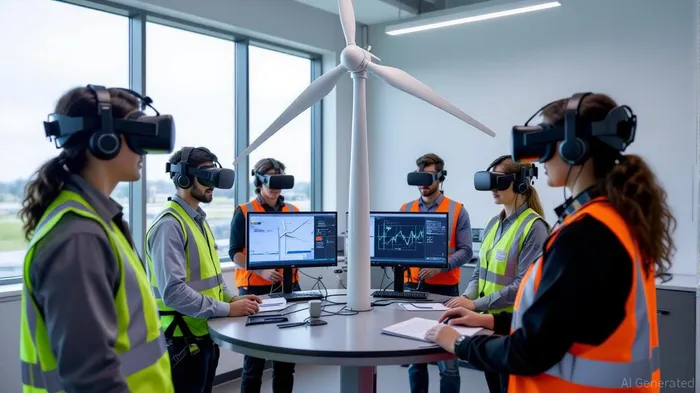
Farmingdale State College's Wind Turbine Technology program exemplifies how education can directly respond to industrial demand. The program emphasizes hands-on training through specialized facilities and virtual reality simulations, equipping students with the technical expertise to inspect, diagnose, and repair wind turbines according to the college's curriculum. This practical focus is essential in an industry where the U.S. Bureau of Labor Statistics projects a 60% growth in wind turbine technician employment from 2023 to 2033, far outpacing the national average. Such growth is driven by national renewable energy targets, including the goal to generate 20% of energy from wind by 2030.
 Industry partnerships further validate the program's relevance. Collaborations with firms like Orsted, Equinor, GE Renewable Energy, and Vestas provide students with direct pathways to employment in both onshore and offshore wind sectors according to the college's website. These partnerships are not incidental but strategic, reflecting the urgent need for trained personnel as the U.S. expands its offshore wind capacity. For instance, Farmingdale has secured $500,000 in funding for a microcredential program focused on offshore wind technology, a sector expected to create thousands of jobs in the coming decade.
While specific graduate placement rates for Farmingdale's program remain undisclosed, the broader labor market dynamics speak volumes. The median annual salary for wind turbine technicians in the U.S. was $56,260 in 2021, with New York State reporting a mean salary of $67,010-a premium reflecting the specialized skills required. These figures underscore the program's value proposition: it not only meets a growing demand but also offers graduates competitive compensation.
The program's alignment with industry standards further strengthens its case as a leading indicator. Farmingdale integrates Global Wind Organization (GWO) Basic Skills training, which prepares students for the physical and technical demands of the profession. Such certifications are increasingly non-negotiable for employers, ensuring that graduates are job-ready and reducing the need for additional corporate training.
Critically, the college's efforts extend beyond technical training. Events like "Exploring Career Pathways in the Wind Industry" introduce high school students to renewable energy careers, fostering a pipeline of talent for the sector. This proactive approach to workforce development mirrors the collaborative model seen in other high-growth industries, where academia, industry, and government align to address skill gaps.
For investors, the implications are clear. Education programs like Farmingdale's are not just training grounds but leading indicators of where capital should flow. The renewable energy sector's growth is underpinned by policy frameworks such as the Renewable Fuel Standard (RFS) and the Inflation Reduction Act, which incentivize clean energy adoption. By investing in institutions that prepare workers for these industries, stakeholders can hedge against labor shortages and ensure the sustainability of renewable energy projects.
In conclusion, the Wind Turbine Technology program at Farmingdale State College is a microcosm of a larger trend: education systems adapting to the demands of a decarbonizing economy. As the world races to meet climate goals, the colleges and universities that bridge the gap between theory and practice will play a pivotal role in shaping the future of work. For those seeking to align investments with both economic and environmental imperatives, the message is unmistakable-renewable energy education is not a niche endeavor but a cornerstone of the 21st-century workforce.

Blending traditional trading wisdom with cutting-edge cryptocurrency insights.
Latest Articles
Stay ahead of the market.
Get curated U.S. market news, insights and key dates delivered to your inbox.


AInvest
PRO
AInvest
PRO



Comments
No comments yet