
RENDER Expands AI Workloads with Decentralized GPU Compute and Supply-Reducing Model
 Aime Summary
Render Network is expanding its AI workload capabilities by offering decentralized GPU compute resources to creators and developers.
The platform's token, RENDER, is directly tied to usage, with a supply-reducing mechanism that burns tokens based on dollar value as network demand increases.
Recent integrations, including RNP-021 and support for NVIDIANVDA-- H200 GPUs, position Render as a competitive player in the decentralized AI infrastructure market.
Render Network has established itself as a key player in the decentralized GPU compute space by connecting creators with GPU operators who have idle capacity to sell. This peer-to-peer model allows for more cost-effective and scalable rendering solutions compared to traditional cloud services.
The network's tokenomics model is designed to align with usage demand, as tokens are burned when users pay for rendering jobs. This creates a deflationary effect as network activity rises, potentially increasing the value of the remaining supply of RENDER tokens.
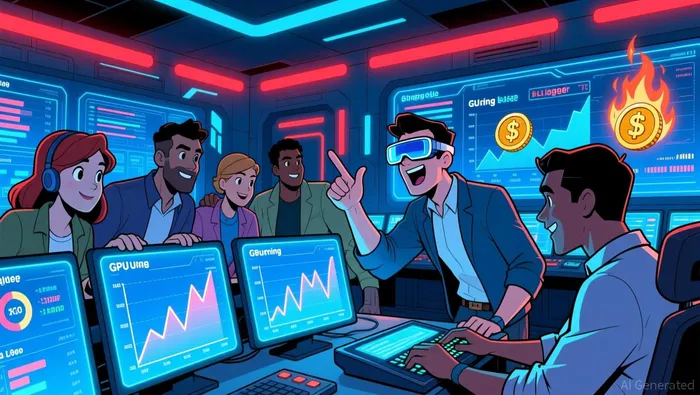
In late 2025, the release of Dispersed expanded Render's capabilities to handle AI tasks such as machine learning. This development, along with the integration of powerful GPUs like the NVIDIA H200, has made Render a more attractive option for developers looking to perform large-scale AI work in a decentralized environment.
How is Render Differentiating Itself in the AI Workloads Space?
Render's approach is distinct due to its use of decentralized infrastructure, which reduces reliance on centralized cloud providers. This model not only lowers costs but also enhances scalability for users who require significant GPU resources for AI tasks.
The supply-reducing mechanism also adds a layer of economic incentive for users to increase activity on the network. As more GPU operators join and more rendering jobs are executed, the rate of token burns rises, potentially leading to a more valuable token over time.
What Are the Key Risks and Limitations for Render?
While Render's model offers advantages in terms of cost and scalability, it is still a relatively new infrastructure platform and faces competition from both traditional cloud providers and other decentralized GPU networks. Additionally, the success of the platform is closely tied to the rate of adoption by GPU operators and creators, which could be influenced by broader market conditions.
The tokenomics model, while innovative, also depends heavily on consistent usage to maintain the deflationary effect. If usage declines, the token burning rate could drop, reducing the potential upside for holders.
Conclusion
Render Network is well-positioned to benefit from the growing demand for AI workloads by offering a decentralized alternative to traditional GPU compute resources. Its supply-reducing model, combined with recent integrations of powerful hardware and AI-specific software, makes it an attractive platform for both creators and developers.
As the decentralized AI infrastructure market continues to evolve, Render's ability to scale its network and maintain high usage rates will be critical to its long-term success. Investors should closely monitor developments in the AI and GPU compute sectors to assess the platform's potential for growth.

Blending traditional trading wisdom with cutting-edge cryptocurrency insights.
Latest Articles
Stay ahead of the market.
Get curated U.S. market news, insights and key dates delivered to your inbox.


AInvest
PRO
AInvest
PRO



Comments
No comments yet