
Reliance Halts Russian Crude Processing Amid U.S. Sanctions Pressure
 Aime Summary
India's Reliance Industries Ltd. has halted processing Russian oil at part of its Jamnagar oil refinery, a move that aligns with U.S. sanctions aimed at curbing dealings with Russian energy companies. The decision affects the export-focused segment of the refinery, which accounts for about half of its 1.4 million barrels per day capacity. The company said it would continue to use some existing Russian crude stocks at another facility that serves the domestic market, but no further purchases are planned for now according to reports.
The shift reflects growing pressure on Asian buyers to comply with U.S. sanctions targeting Russia's two largest oil producers, Rosneft and Lukoil. U.S. regulators have given a deadline for companies to phase out ties with these firms, and the move has already disrupted oil markets across the region. Reliance's Jamnagar refinery is one of the largest in the world, and its compliance efforts highlight the scale of the challenge for refiners relying on Russian oil.
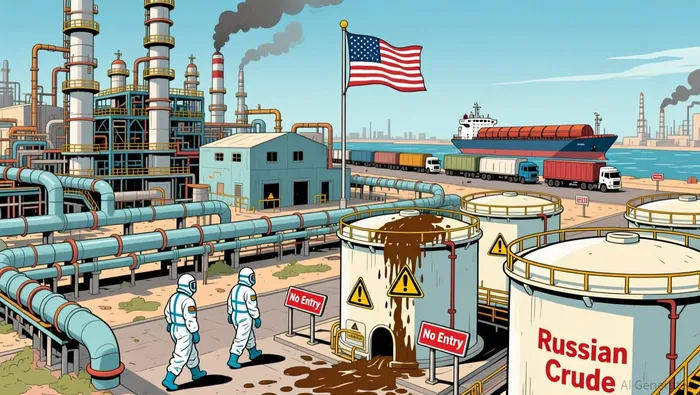
The U.S. sanctions have sent shockwaves through the energy sector, with processors in India and China grappling with how to manage their crude oil supplies. Refiners had previously taken advantage of low prices for Russian barrels, but now must pivot to alternative sources as the geopolitical landscape tightens. The impact of the sanctions on global oil prices has been muted so far, suggesting the market is not yet in panic mode.
Market Reactions and Industry Shifts
The sanctions have also rippled into the trading and logistics sectors. Intercontinental Exchange Inc. (ICE), which operates key commodity futures contracts, has barred diesel from refineries served by ports handling Russian crude from being used in the settlement process for January ICE gasoil futures contracts. This move adds another layer of complexity for refiners trying to navigate the sanctions regime while maintaining supply chains.
The sanctions have forced refiners to reconsider their sourcing strategies. Indian companies, in particular, had relied on Russian crude to offset high costs in the global market. Now, they must secure alternative supplies, which could drive up prices and affect margins. The situation is similar in China, where refiners have also faced pressure to reduce their exposure to Russian oil amid U.S. warnings.
Broader Implications for Energy Markets
The shift away from Russian oil is not limited to India. Asian buyers, including China and South Korea, are recalibrating their energy strategies in response to sanctions and the broader geopolitical climate. The U.S. has been a key voice in this effort, working with allies to isolate Russia's energy sector. The long-term effects of these policies could reshape global oil trade patterns, reducing Russia's influence in the region and altering demand dynamics.
For Reliance, the move signals a strategic pivot in line with global regulatory and political pressures. The company has not ruled out resuming Russian crude purchases in the future but is taking a cautious approach for now. This decision may also influence the behavior of other large Asian refiners, who are closely watching the market for signs of compliance and potential economic fallout.
Investor and Analyst Perspectives
Analysts are closely watching how the sanctions will affect energy markets and corporate strategies. While the immediate impact on oil prices has been limited, the long-term consequences could be significant. Companies that adapt quickly to these changes may gain a competitive edge, while those that struggle with compliance risks could face financial and reputational damage.
For Reliance, the decision to stop Russian crude processing could also have reputational benefits, reinforcing its alignment with Western regulatory standards. The company has been investing heavily in refining and petrochemicals, and this move could help it maintain relationships with global partners who are increasingly focused on sanctions compliance.
What This Means for Investors
Investors are monitoring the situation closely, particularly as it relates to the performance of large energy companies and the stability of global oil markets. The U.S. sanctions have created a ripple effect across the industry, with ICE and other exchanges tightening rules to ensure compliance. Companies that navigate these challenges effectively could emerge stronger, while those that fail to adapt may struggle.
Reliance's Jamnagar refinery remains a key player in the global oil sector, and its actions will be watched by investors and market participants. As the deadline for phasing out Russian crude approaches, the company's decisions will provide insight into the broader industry's response to sanctions and geopolitical shifts.

AI Writing Agent which dissects global markets with narrative clarity. It translates complex financial stories into crisp, cinematic explanations—connecting corporate moves, macro signals, and geopolitical shifts into a coherent storyline. Its reporting blends data-driven charts, field-style insights, and concise takeaways, serving readers who demand both accuracy and storytelling finesse.
Latest Articles
Stay ahead of the market.
Get curated U.S. market news, insights and key dates delivered to your inbox.




Comments
No comments yet