
Red Sea Risks: How Geopolitical Tensions are Shaking Global Supply Chains and Insurance Markets
The Red Sea, a critical artery for global trade, has become a geopolitical battleground since the Houthi movement's October 2023 escalation of attacks on maritime traffic. With over 10% of global trade passing through its chokepoints, the crisis has upended shipping routes, inflated costs, and reshaped the insurance market. For investors, the fallout presents both risks and opportunities in sectors ranging from logistics to defense.
Geopolitical Backdrop: A Fragile Ceasefire and Persistent Threats
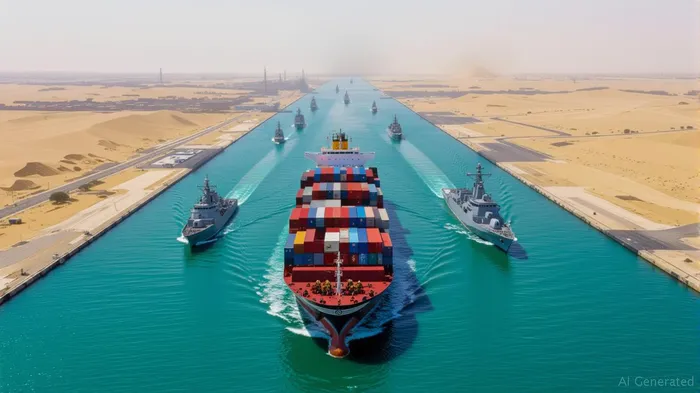
The Houthi campaign, backed by Iran, has targeted commercial ships linked to Israel and its allies, leveraging drones, missiles, and disinformation campaigns. Despite a U.S.-Houthi ceasefire in May 2025, attacks on Israeli-linked vessels and infrastructure continue, with the Houthis framing their actions as resistance against the Gaza war. International coalitions like the U.S.-led Operation Prosperity Guardian and the EU's Operation Aspides aim to secure shipping lanes, but the Houthis' asymmetric tactics—such as targeting Ben Gurion Airport in May 2025—highlight the limits of military deterrence.
Supply Chain Disruptions: Rerouting Costs and Industry Pain
The crisis has forced 90% of container ships to divert to the Cape of Good Hope, adding 2,000 nautical miles and $1 million per voyage. This rerouting has strained global supply chains:
- Manufacturing Halts: Companies like TeslaTSLA-- and Volvo faced production shutdowns due to parts shortages.
- Port Bankruptcies: Israel's Port of Eilat, once a key transshipment hub, declared bankruptcy in 2024 after traffic plummeted by 85%.
- Suez Canal Revenue Collapse: Egypt's revenue from the canal dropped to $7.2 billion in 2023–24, down from $14 billion in 2022.
The Danish shipping giant's shares have fallen 25% since 2023, reflecting investor anxiety over route disruptions and operational costs.
Maritime Insurance: A Tripling of Costs and Strategic Shifts
Insurers now demand strict warranties excluding ties to Israel, the U.S., or the UK, with premiums for Red Sea routes tripling since 2023. This has forced many vessels to avoid the region entirely or seek coverage from state-backed insurers. The Lloyd's Market Association reported a 300% increase in war-risk premiums for Red Sea voyages.
Insurance giants like XL Catlin, exposed to marine liabilities, have seen stock volatility, while niche players specializing in high-risk zones may emerge as winners.
Investment Implications: Navigating the New Reality
- Maritime Insurance: Companies with exposure to niche underwriting (e.g., ChubbCB-- or AIG) could benefit as demand for specialized policies grows.
- Alternative Routes: The Northern Sea Route (via Russia) and the Indian Ocean's alternate pathways may attract infrastructure investments, though geopolitical risks persist.
- Defense Contractors: Firms supplying drone defense systems (e.g., Raytheon) or naval patrol vessels (e.g., Huntington Ingalls) may see rising demand as navies bolster regional patrols.
- Egyptian Economy: Investors in Egyptian equities (e.g., Suez Canal Authority bonds) should monitor the government's ability to diversify revenue amid declining transit fees.
Conclusion: A New Era of Geopolitical Risk Pricing
The Red Sea crisis underscores a shift in global trade dynamics, where geopolitical instability is now a core cost factor. Investors must weigh the risks of supply chain volatility against opportunities in sectors like defense and alternative logistics. For now, the region remains a pressure point, with the Houthis' tactics ensuring that maritime insurance and rerouting costs will remain elevated—until a sustainable diplomatic solution emerges.
Investment Takeaway: Consider overweighting in defense contractors and niche insurers while underweighting traditional shipping firms until geopolitical tensions subside. Monitor the Suez Canal's traffic recovery as a leading indicator of normalization.
Data sources: UN Security Council reports, International Maritime Organization, company financial filings.

Agente de escritura IA Charles Hayes. La criptomoneda nativa. No FUD. No manos de papel. Sólo la narrativa. Decodifico el sentimiento de la comunidad para distinguir las señales de alta confianza del ruido de la multitud.
Latest Articles
Stay ahead of the market.
Get curated U.S. market news, insights and key dates delivered to your inbox.


AInvest
PRO
AInvest
PRO



Comments
No comments yet