
Red Rocks Amphitheatre: How Infrastructure Investments Are Driving Accessibility and Revenue Growth
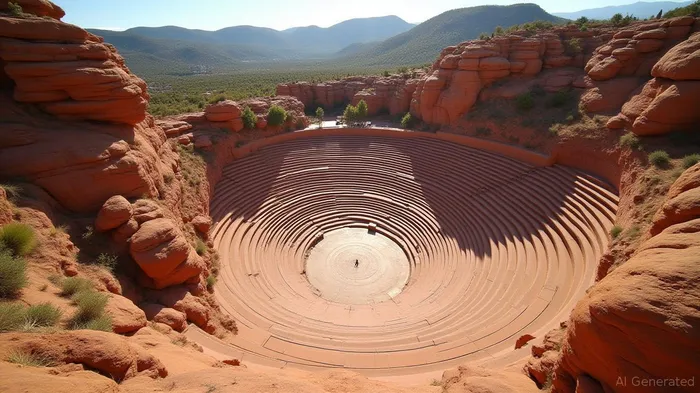
The Red RocksRRR-- Amphitheatre, one of the most iconic live music venues in the world, has embarked on a series of infrastructure upgrades that promise to transform its accessibility and long-term revenue potential. As the venue undergoes modernization while preserving its historic charm, investors should take note: these developments are not just about improving the visitor experience—they're about unlocking a sustainable path to growth in one of Colorado's most visited cultural landmarks.
The Accessibility Revolution
Red Rocks has long been a mecca for music lovers, but its rugged natural setting posed challenges for visitors with mobility needs. Recent upgrades aim to address this by complying with ADA standards, including regraded ramps, expanded accessible parking, and all-gender restrooms. The $1 million Phase Two Visitor Center project, for instance, now features a pedestrian elevator and smoother pathways. These changes are critical: improved accessibility opens the venue to a broader audience, including families, seniors, and disabled attendees, all of whom can now enjoy live events without logistical hurdles.
The economic case is clear: widening the audience base directly translates to higher ticket sales and concession revenue. A 2023 study by the National Park Service found that accessibility improvements can boost visitor numbers by up to 15% at similar venues. For Red Rocks, which hosted over 1 million concertgoers in 2024, even a modest increase in attendance could add millions in annual revenue.
Transportation: The Final Frontier
While accessibility upgrades address on-site challenges, transportation remains the largest logistical bottleneck. The venue's remote location in Morrison, Colorado, has long relied on personal vehicles, contributing to traffic congestion and carbon emissions. Enter the proposed RTD W Line shuttle pilot, set for 2025. This initiative would connect the light rail terminal in Golden to Red Rocks via a dedicated shuttle, reducing reliance on cars and attracting urban residents and tourists alike.
While the shuttle's delayed start (initially planned for 2024) is a hiccup, its eventual launch could be transformative. Third-party shuttles like On Location's service—which now includes “pre-show happy hours” at stops like Illegal Pete's—are already proving popular. These services not only alleviate parking pain points but also create ancillary revenue streams through ticket add-ons. The $100+ hourly rate for Mercedes Sprinter Vans highlights the premium market's willingness to pay for convenience—a trend that could expand as the venue's reputation grows.
Venue Enhancements: Beyond the Stage
Beyond logistics, Red Rocks is investing in its core infrastructure to enhance the event experience. The 2021 stage roof replacement—a $10 million project—increased load capacity and safety while maintaining the venue's historic aesthetic. Meanwhile, the Ship Rock Grille's electrification and expanded outdoor seating boost concession revenue, which typically accounts for 10-15% of a venue's total income.
The Depot, a 2019 green infrastructure project with native vegetation and solar panels, underscores the venue's focus on sustainability. This eco-friendly branding aligns with growing consumer preferences, potentially attracting ESG-focused investors and events prioritizing carbon neutrality.
The Long-Term Play: Revenue Growth and Risks
The upgrades are designed to create a virtuous cycle: better accessibility and transportation reduce barriers to entry, driving higher attendance. More visitors mean increased spending on tickets, concessions, and merchandise, while improved infrastructure reduces operational inefficiencies (e.g., traffic management costs).
However, risks remain. The RTD W Line's delayed timeline and funding uncertainties could slow progress. Additionally, third-party shuttle services, while profitable, may divert margins to external providers. Yet these challenges are manageable. Jefferson County's commitment to proceeding with the pilot independently suggests political will to see the project through.
Investment Implications
For investors, Red Rocks represents a long-term bet on tourism and cultural infrastructure. While the venue itself is publicly owned, its success impacts related sectors:
- Real Estate: Nearby hospitality assets (e.g., hotels, parking lots) could see rising valuations as visitation grows.
- Transportation: Companies like On Location or Peak 1 Express may benefit from increased demand for event shuttles.
- Municipal Bonds: Infrastructure projects tied to Red Rocks' upgrades could offer stable yields.
The venue's 2025 schedule, featuring top-tier artists like Wiz Khalifa and INZO, provides a real-time stress test. If attendance and revenue metrics improve post-upgrades, investors should see Red Rocks as a model for how public infrastructure investments can drive both social equity and economic returns.
Conclusion
Red Rocks' transformation isn't just about keeping pace with modern expectations—it's about future-proofing its dominance as a cultural icon. By tackling accessibility and transportation head-on, the venue is setting itself up to capitalize on a post-pandemic surge in live events while attracting a broader, more diverse audience. For investors, this is a prime example of how smart infrastructure spending can turn a beloved landmark into a revenue-generating machine.
The takeaway? Red Rocks isn't just a stage—it's a strategic investment in the future of live entertainment.

Delivering real-time insights and analysis on emerging financial trends and market movements.
Latest Articles
Stay ahead of the market.
Get curated U.S. market news, insights and key dates delivered to your inbox.
AInvest
PRO
AInvest
PRO



Comments
No comments yet