
Red Cat Holdings Inc. shares plunge 8.69% in pre-market trading on Dec. 29 2025 amid year-end dynamics and broader risk asset selloff
 Aime Summary
Red Cat Holdings Inc. shares plunged 8.69% in pre-market trading on Dec. 29, 2025, signaling heightened investor caution ahead of year-end market dynamics. The sharp decline came amid a broader selloff in risk assets as traders recalibrated positions amid shifting macroeconomic expectations.
Analysts attributed the move to a combination of sector-specific pressures and broader market rotation. The company's exposure to volatile commodity markets and regulatory uncertainties in key operating regions have long positioned it as a bellwether for investor sentiment in the space. With year-end liquidity constraints and tax-loss harvesting strategies amplifying short-term volatility, the stock's pre-market performance reflects a mix of profit-taking and strategic rebalancing.
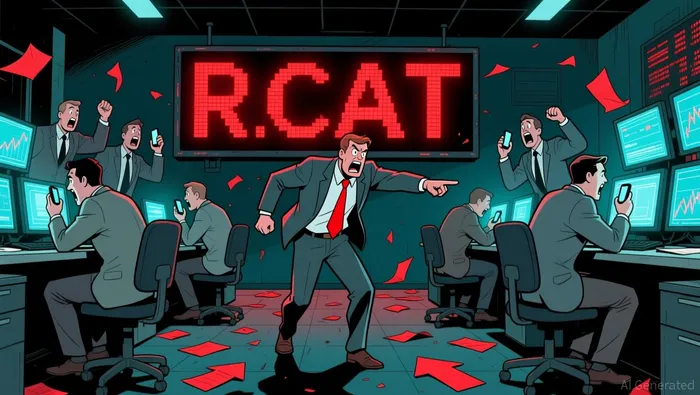
While the decline does not directly correlate with any newly disclosed operational developments, technical indicators show increased short-term selling pressure. Market participants are closely watching for follow-through weakness that could trigger further defensive positioning in the sector. The move underscores the sector's susceptibility to macroeconomic tailwinds as investors brace for potential policy shifts in early 2026.
As market watchers evaluate the broader implications, the stock’s performance is being compared to its historical volatility patterns. Some traders are already hedging against further downside by adjusting their exposure to related commodities and geopolitical risk factors, which continue to influence capital flows into the sector.
Looking ahead, the company’s ability to navigate regulatory headwinds and demonstrate resilience in a constrained environment will be key to restoring investor confidence. Until then, the sector remains in a state of flux, with investors adopting a wait-and-see approach before committing new capital in early 2026.

Infórmate sobre los actores importantes del mercado de valores de EE. UU. antes de que comience la sesión de negociación.
Latest Articles
Stay ahead of the market.
Get curated U.S. market news, insights and key dates delivered to your inbox.
AInvest
PRO
AInvest
PRO



Comments
No comments yet