
Red Cat Holdings (NASDAQ: RCAT) fell 8.69% on FCC ban of foreign drones under Section 1709
 Aime Summary
Red Cat Holdings (NASDAQ: RCAT) fell 8.69% in pre-market trading on Dec. 29, 2025, signaling a sharp reversal amid regulatory shifts in the drone industry. The decline followed the Federal Communications Commission’s (FCC) announcement to prohibit foreign-manufactured drones and critical components from U.S. operations under Section 1709 of the FY25 National Defense Authorization Act.
The move aims to mitigate national security risks by barring foreign UAS (unmanned aerial systems) from receiving FCC approvals. Red CatRCAT--, a domestic drone producer, stands to benefit from reduced competition. However, analysts caution that the company’s limited market traction—less than $8 million in annual sales for a $1.1 billion market cap—highlights structural challenges. Persistent losses of $90 million and $70 million in cash burn over the past year further undermine confidence in its long-term viability.
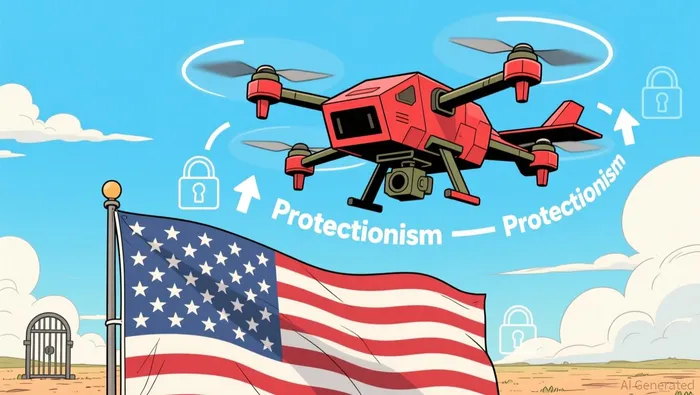
While regulatory tailwinds may temporarily favor Red Cat, investors remain skeptical. The stock’s volatility underscores the tension between policy-driven opportunities and the company’s unproven ability to scale operations profitably. Market participants are closely watching whether the FCC’s actions can translate into sustainable revenue growth for the struggling manufacturer.
Long-term observers suggest that Red Cat will need more than policy protection to succeed. The company must demonstrate a path to profitability and market leadership, which has yet to materialize. Without significant improvements in cost efficiency or a shift in investor sentiment, the stock may remain under pressure despite regulatory tailwinds.

Get the scoop on pre-market movers and shakers in the US stock market.
Latest Articles
Stay ahead of the market.
Get curated U.S. market news, insights and key dates delivered to your inbox.
AInvest
PRO
AInvest
PRO



Comments
No comments yet