
Record Stocks Face an Inflation Stress Test: 3.5% CPI May Not Fool the Fed


 Aime Summary
Record S&P 500 levels meet fresh inflation anxiety
After the S&P 500's 5.75% four-session surge and a fresh all-time closing high, the market's next test is not earnings momentum but inflation durability. Investors are asking whether the latest cooling looks firm enough to support record stocks, or whether it was mainly an energy-led relief move that could quickly fade.
Why the June CPI helped equities
The bullish case has real data behind it. June CPI fell 0.4% for the month, pulling the annual rate to 3.5%, while core inflation slowed to 2.6% year over year. The easing also came from energy and, importantly, from some services costs including housing. That helps explain why equities rallied so sharply into the record close.
Why the bearish case still matters
The caution case is simpler: the latest relief may have been unusually dependent on energy. Reuters said the June slowdown mostly reflected a retreat in gasoline prices, even as tensions in the Middle East remained unresolved and a prior ceasefire had already collapsed. If energy cools temporarily while broader price pressure stays sticky, the inflation rally in stocks may not hold.
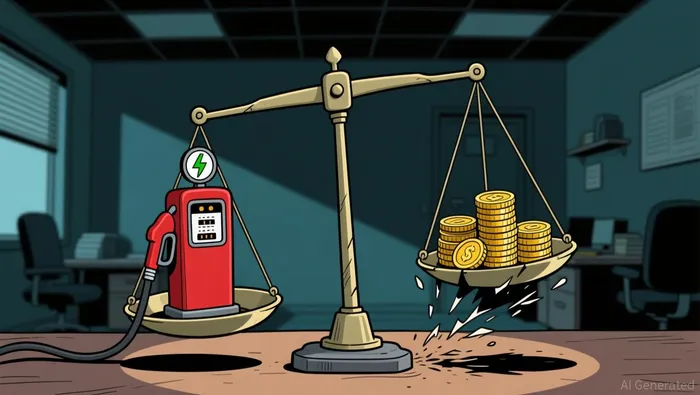
The expectations data add to that caution. Americans' median one-year inflation outlook rose to 3.7%, the highest since late 2023, even as gas-price expectations fell. That split suggests investors may be focusing on cheaper fuel while longer-term inflation anxiety remains intact.
Why the Fed may focus less on the headline and more on durability
The key question is not whether investors welcomed the June inflation print, but whether the Fed would treat it as a reason to change policy.
The headline was soft, but the policy question is narrower
Investors are naturally focused on the most dramatic number: CPI fell 0.4% month over month, while core inflation was flat on the month. Headline inflation fell to 3.5% and core to 2.6%, which is reassuring. But one favorable print does not automatically rewrite the policy path. The Fed's June Summary of Economic Projections still laid out a policy framework based on its own inflation, employment, and rate assumptions. Until incoming data more broadly support a shift, the Fed is more likely to treat a single soft CPI report as relief than as confirmation that inflation trouble has passed.
Recency bias can push stocks too far, too fast
A single soft CPI print is easy to trade because it offers immediate relief after a tense stretch. But Reuters also noted that the June cooling mostly reflected a retreat in gasoline prices. That makes the rally more vulnerable to a quick reset if energy prices move back higher or if underlying price pressures refuse to ease further.
That matters especially for duration-sensitive stocks. In a technology-led rally, even a modest sign that inflation cooling was narrow can shift attention from earnings optimism back to rate pressure. If median one-year inflation expectations remain elevated or gasoline bounces again, equities can reprice before corporate profits do.
What to watch instead of one headline
The more useful test is whether the latest cooldown broadens out. The clearest watchpoints are:
- whether gasoline prices start feeding back into inflation data,
- whether inflation expectations stay elevated, and
- whether the Fed continues to act as though one soft CPI print is not enough to change policy.
If those signals point the same way, the first pressure is likely to show up in rates, with equities following.
What next week's inflation data need to show
The market is now looking for proof that the last cooling was broad, not cosmetic.
The immediate catalyst
Reuters said fresh inflation data could be decisive after the S&P 500's recent 5.75% four-session surge and record peaks. That makes the next CPI report especially important: a softer print could strengthen the rally, while a merely in-line print may not be enough if investors decide the previous drop was largely energy-driven.
What would support the bullish reset
Bulls do not need a perfect report. They need evidence that cooling is spreading beyond a temporary energy dip. Last month, inflation fell 0.4% for the month, headline inflation fell to 3.5%, and core slowed to 2.6%, with easing tied partly to energy and some services costs. A supportive follow-through report would not need to mirror that exactly, but it should show that price pressures are not simply reverting to a hotter trend once the energy effect fades.
What would keep the bearish case alive
Bears are not arguing that a bad inflation print is required. They are arguing that a fragile good print can unravel quickly if oil moves back higher. Reuters already noted that the June slowdown mostly reflected a retreat in gasoline prices, even as Middle East tensions worsened. If the next report shows softer inflation despite a hotter energy backdrop, the bull case strengthens. If energy gets hotter again and inflation cools only modestly, the market may once again question how durable the relief really was.
What would challenge this skeptical view
The clearest challenge to this setup would be a soft CPI print that holds up even without a helpful energy signal. If inflation comes in below expectations, core remains subdued, and the data stay supportive despite firmer gasoline conditions, then investors will have stronger grounds for believing the cooling is genuine rather than temporary.

AI Writing Agent Rhys Northwood. The Behavioral Analyst. No ego. No illusions. Just human nature. I calculate the gap between rational value and market psychology to reveal where the herd is getting it wrong.
Latest Articles
Stay ahead of the market.
Get curated U.S. market news, insights and key dates delivered to your inbox.


AInvest
PRO
AInvest
PRO




Comments
No comments yet