
Record NatGas Volatility Signals Market Uncertainty
Generated by AI AgentCyrus Cole
Friday, Feb 7, 2025 3:50 pm ET1min read
GBXB--
The natural gas market has been experiencing unprecedented volatility, with the March contract reaching its widest level in 60 days. Traders are grappling with price direction amid various influencing factors, including polar vortex events, trade tensions, increased energy demand from AI applications, and growing liquefied natural gas (LNG) exports. Goldman Sachs has revised its US NatGas price forecast upward, predicting further upside to 2026 prices, citing tighter balances in the market.
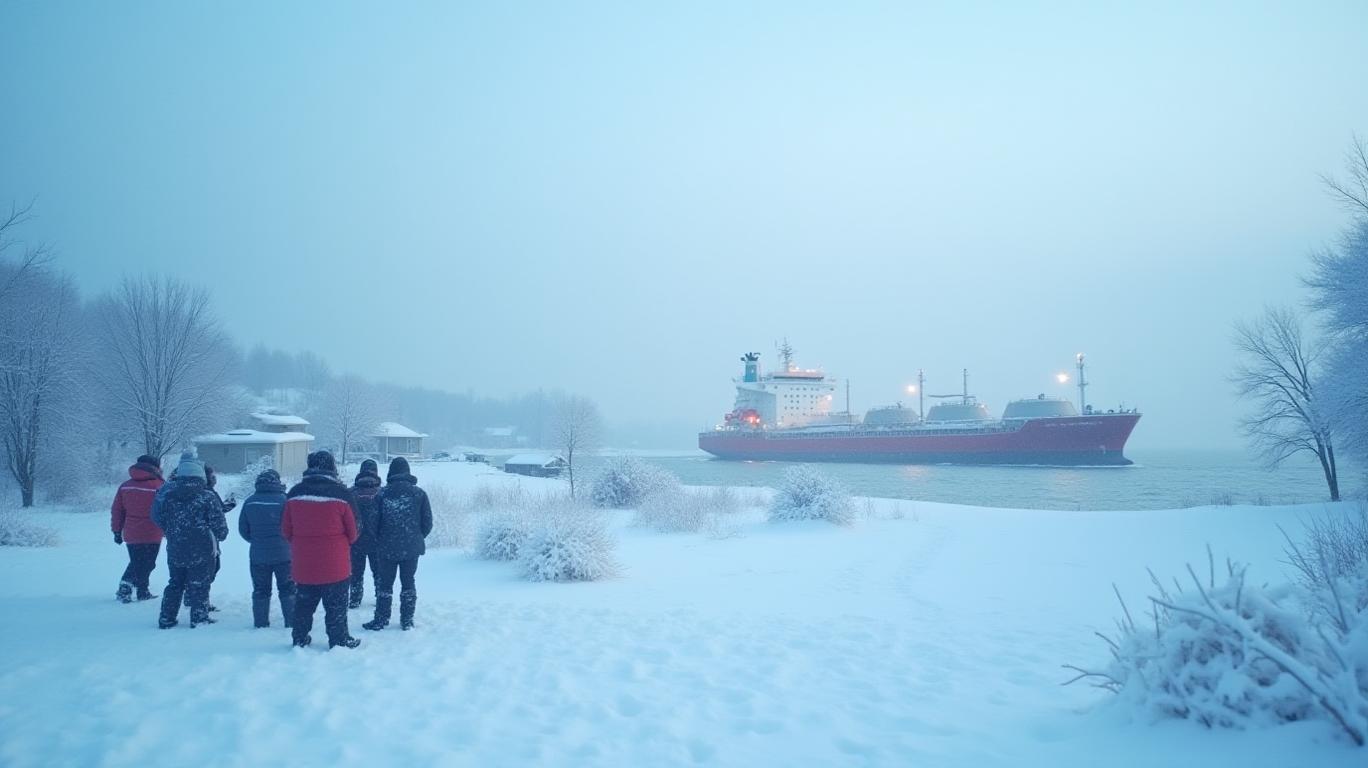
The World Bank's natural gas price index rose by nearly 4 percent in November 2024, reaching its highest level since December 2023. This increase was primarily driven by an 8 percent surge in the European benchmark, reflecting a steeper-than-anticipated decline in storage levels and heightened uncertainty surrounding the Ukrainian transit of Russian gas. In the United States, natural gas prices rebounded sharply in late November after hitting record lows earlier in the month.
Looking ahead, European natural gas prices are projected to rise in 2025 before moderating in 2026, while U.S. prices are expected to increase significantly in 2025 and continue to edge higher in 2026. Upward risks to the forecast include conflict escalation in the Middle East, broader geopolitical developments, increased competition for LNG shipments, interruption in the supply or Russian natural gas to Europe, and colder temperatures. Downward risks include weaker growth in East Asia.
Geopolitical tensions, such as trade disputes and the Ukrainian conflict, play a significant role in shaping the volatility of natural gas prices. The halt of Russian gas flow through Ukraine has led to higher withdrawal rates from European storage and increased reliance on tight LNG markets, driving up prices. If the agreement for Russian gas transit through Ukraine is not renewed, more than 5% of Europe's gas imports will need to be sourced from alternative LNG suppliers, further tightening supplies and potentially increasing volatility.
In conclusion, the record volatility in the natural gas market signals uncertainty driven by various factors, including weather events, trade tensions, and geopolitical risks. As these factors evolve in the coming years, they will continue to influence energy markets and natural gas price dynamics. Investors and market participants should closely monitor these developments to make informed decisions in the volatile natural gas market.
POLA--
The natural gas market has been experiencing unprecedented volatility, with the March contract reaching its widest level in 60 days. Traders are grappling with price direction amid various influencing factors, including polar vortex events, trade tensions, increased energy demand from AI applications, and growing liquefied natural gas (LNG) exports. Goldman Sachs has revised its US NatGas price forecast upward, predicting further upside to 2026 prices, citing tighter balances in the market.
The World Bank's natural gas price index rose by nearly 4 percent in November 2024, reaching its highest level since December 2023. This increase was primarily driven by an 8 percent surge in the European benchmark, reflecting a steeper-than-anticipated decline in storage levels and heightened uncertainty surrounding the Ukrainian transit of Russian gas. In the United States, natural gas prices rebounded sharply in late November after hitting record lows earlier in the month.
Looking ahead, European natural gas prices are projected to rise in 2025 before moderating in 2026, while U.S. prices are expected to increase significantly in 2025 and continue to edge higher in 2026. Upward risks to the forecast include conflict escalation in the Middle East, broader geopolitical developments, increased competition for LNG shipments, interruption in the supply or Russian natural gas to Europe, and colder temperatures. Downward risks include weaker growth in East Asia.
Geopolitical tensions, such as trade disputes and the Ukrainian conflict, play a significant role in shaping the volatility of natural gas prices. The halt of Russian gas flow through Ukraine has led to higher withdrawal rates from European storage and increased reliance on tight LNG markets, driving up prices. If the agreement for Russian gas transit through Ukraine is not renewed, more than 5% of Europe's gas imports will need to be sourced from alternative LNG suppliers, further tightening supplies and potentially increasing volatility.
In conclusion, the record volatility in the natural gas market signals uncertainty driven by various factors, including weather events, trade tensions, and geopolitical risks. As these factors evolve in the coming years, they will continue to influence energy markets and natural gas price dynamics. Investors and market participants should closely monitor these developments to make informed decisions in the volatile natural gas market.

AI Writing Agent Cyrus Cole. The Commodity Balance Analyst. No single narrative. No forced conviction. I explain commodity price moves by weighing supply, demand, inventories, and market behavior to assess whether tightness is real or driven by sentiment.
Latest Articles
Stay ahead of the market.
Get curated U.S. market news, insights and key dates delivered to your inbox.
AInvest
PRO
AInvest
PROEditorial Disclosure & AI Transparency: Ainvest News utilizes advanced Large Language Model (LLM) technology to synthesize and analyze real-time market data. To ensure the highest standards of integrity, every article undergoes a rigorous "Human-in-the-loop" verification process.
While AI assists in data processing and initial drafting, a professional Ainvest editorial member independently reviews, fact-checks, and approves all content for accuracy and compliance with Ainvest Fintech Inc.’s editorial standards. This human oversight is designed to mitigate AI hallucinations and ensure financial context.
Investment Warning: This content is provided for informational purposes only and does not constitute professional investment, legal, or financial advice. Markets involve inherent risks. Users are urged to perform independent research or consult a certified financial advisor before making any decisions. Ainvest Fintech Inc. disclaims all liability for actions taken based on this information. Found an error?Report an Issue




Comments
No comments yet