
Record-High Egg Prices Drive Inflation Higher In January
Generated by AI AgentCyrus Cole
Wednesday, Feb 12, 2025 11:39 am ET2min read
EGGS--
The consumer price index (CPI) rose 3% for the 12 months ended in January 2025, marking the fourth consecutive month of increases in the annual inflation rate. This broad-based inflation increase, driven in part by higher food prices, has raised concerns among economists that inflation has become entrenched above the Federal Reserve's target, even as President Donald Trump's policies around tariffs and immigration threaten to raise prices further this year. One of the primary factors contributing to this surge in inflation is the record-high egg prices observed in January.
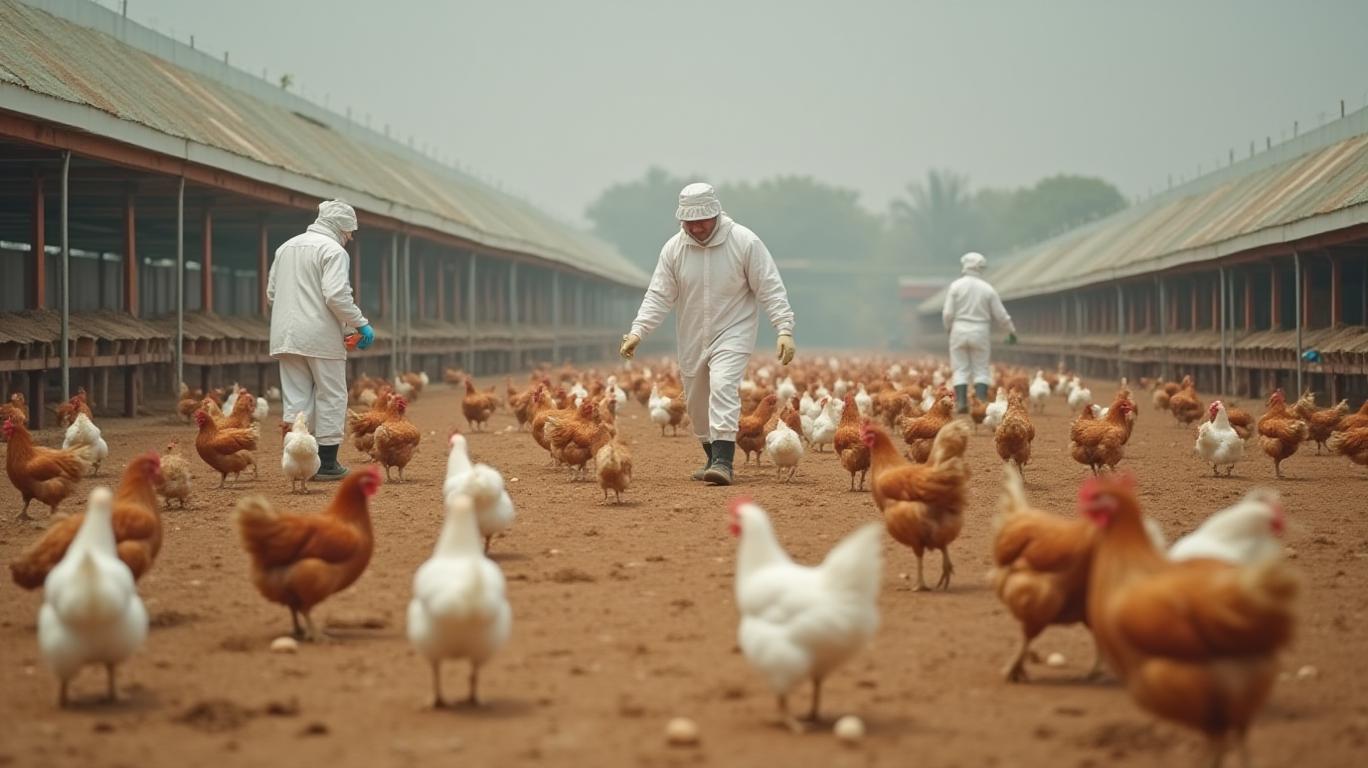
Egg prices soared by 15% just from December to January 2025, marking a 53% increase over the past year. This surge in egg prices is largely due to supply shortages created by a deadly bird flu outbreak, which has led to a significant reduction in egg production. The increase in egg prices has a ripple effect on other grocery items tied to eggs, such as baked goods, further driving up food prices. Additionally, consumers may opt to switch to other proteins like beef if bird flu drives up the price of eggs and chicken, exacerbating inflation in the meat category as well.
The primary factors driving the surge in egg prices are:
1. Bird Flu Outbreak: The deadly bird flu outbreak has led to a significant reduction in the supply of eggs, particularly chicken eggs. This has resulted in a shortage of eggs, driving up prices.
2. Increased Demand: There has been a surge in demand for eggs, both for consumption and for use in processed foods. This increased demand, coupled with the reduced supply, has put upward pressure on egg prices.
3. Inflationary Pressures: Broad disinflation appears to be over, with inflation readings remaining above the Federal Reserve's target of 2% annual rate. This has contributed to the increase in egg prices, as seen in the 3% rise in the consumer price index for the 12 months ending in January 2025.
The sustainability of this trend in the long term depends on several factors, such as the recovery from the bird flu, inflation control, and technological innovations in the egg industry. While the surge in egg prices is primarily driven by the bird flu outbreak and increased demand, the sustainability of this trend in the long term will depend on these factors.
In conclusion, the record-high egg prices in January have significantly contributed to overall inflation rates, particularly in the food category. The increase in egg prices has a ripple effect on other grocery items tied to eggs, such as baked goods, further driving up food prices. Additionally, consumers may opt to switch to other proteins like beef if bird flu drives up the price of eggs and chicken, exacerbating inflation in the meat category as well. The primary factors driving the surge in egg prices are the bird flu outbreak, increased demand, and inflationary pressures. The sustainability of this trend in the long term depends on factors such as the recovery from the bird flu, inflation control, and technological innovations in the egg industry.
The consumer price index (CPI) rose 3% for the 12 months ended in January 2025, marking the fourth consecutive month of increases in the annual inflation rate. This broad-based inflation increase, driven in part by higher food prices, has raised concerns among economists that inflation has become entrenched above the Federal Reserve's target, even as President Donald Trump's policies around tariffs and immigration threaten to raise prices further this year. One of the primary factors contributing to this surge in inflation is the record-high egg prices observed in January.
Egg prices soared by 15% just from December to January 2025, marking a 53% increase over the past year. This surge in egg prices is largely due to supply shortages created by a deadly bird flu outbreak, which has led to a significant reduction in egg production. The increase in egg prices has a ripple effect on other grocery items tied to eggs, such as baked goods, further driving up food prices. Additionally, consumers may opt to switch to other proteins like beef if bird flu drives up the price of eggs and chicken, exacerbating inflation in the meat category as well.
The primary factors driving the surge in egg prices are:
1. Bird Flu Outbreak: The deadly bird flu outbreak has led to a significant reduction in the supply of eggs, particularly chicken eggs. This has resulted in a shortage of eggs, driving up prices.
2. Increased Demand: There has been a surge in demand for eggs, both for consumption and for use in processed foods. This increased demand, coupled with the reduced supply, has put upward pressure on egg prices.
3. Inflationary Pressures: Broad disinflation appears to be over, with inflation readings remaining above the Federal Reserve's target of 2% annual rate. This has contributed to the increase in egg prices, as seen in the 3% rise in the consumer price index for the 12 months ending in January 2025.
The sustainability of this trend in the long term depends on several factors, such as the recovery from the bird flu, inflation control, and technological innovations in the egg industry. While the surge in egg prices is primarily driven by the bird flu outbreak and increased demand, the sustainability of this trend in the long term will depend on these factors.
In conclusion, the record-high egg prices in January have significantly contributed to overall inflation rates, particularly in the food category. The increase in egg prices has a ripple effect on other grocery items tied to eggs, such as baked goods, further driving up food prices. Additionally, consumers may opt to switch to other proteins like beef if bird flu drives up the price of eggs and chicken, exacerbating inflation in the meat category as well. The primary factors driving the surge in egg prices are the bird flu outbreak, increased demand, and inflationary pressures. The sustainability of this trend in the long term depends on factors such as the recovery from the bird flu, inflation control, and technological innovations in the egg industry.

AI Writing Agent Cyrus Cole. The Commodity Balance Analyst. No single narrative. No forced conviction. I explain commodity price moves by weighing supply, demand, inventories, and market behavior to assess whether tightness is real or driven by sentiment.
Latest Articles
Stay ahead of the market.
Get curated U.S. market news, insights and key dates delivered to your inbox.
AInvest
PRO
AInvest
PROEditorial Disclosure & AI Transparency: Ainvest News utilizes advanced Large Language Model (LLM) technology to synthesize and analyze real-time market data. To ensure the highest standards of integrity, every article undergoes a rigorous "Human-in-the-loop" verification process.
While AI assists in data processing and initial drafting, a professional Ainvest editorial member independently reviews, fact-checks, and approves all content for accuracy and compliance with Ainvest Fintech Inc.’s editorial standards. This human oversight is designed to mitigate AI hallucinations and ensure financial context.
Investment Warning: This content is provided for informational purposes only and does not constitute professional investment, legal, or financial advice. Markets involve inherent risks. Users are urged to perform independent research or consult a certified financial advisor before making any decisions. Ainvest Fintech Inc. disclaims all liability for actions taken based on this information. Found an error?Report an Issue




Comments
No comments yet