
Recession Risk Looms Large as Markets Tune Out Fed
Generated by AI AgentTheodore Quinn
Wednesday, Mar 5, 2025 12:26 am ET1min read
The stock market has been grappling with a new reality: the Federal Reserve's influence is waning, but the specter of a U.S. recession is creeping back onto investors' radars. The Dow Jones Industrial Average, S&P 500, and Nasdaq Composite all experienced losses in early August 2024, with the Nasdaq's 1.6% decline being particularly disheartening after its recent rally. The market's reaction to stronger-than-expected retail sales data and Fed speakers' hawkish comments underscores the shifting dynamics at play.

The market's resilience in the face of Fed speakers' hawkish remarks is notable, with the S&P 500 limiting its losses despite James Bullard's assertion that rates may need to rise as high as 7% to combat inflation. This resilience suggests that the market may be tuning out the Fed's messaging, focusing instead on other factors driving stock prices. Quant Insight's analysis reveals a shift in market drivers, with credit spreads now playing a more significant role than real rates in influencing stock prices.
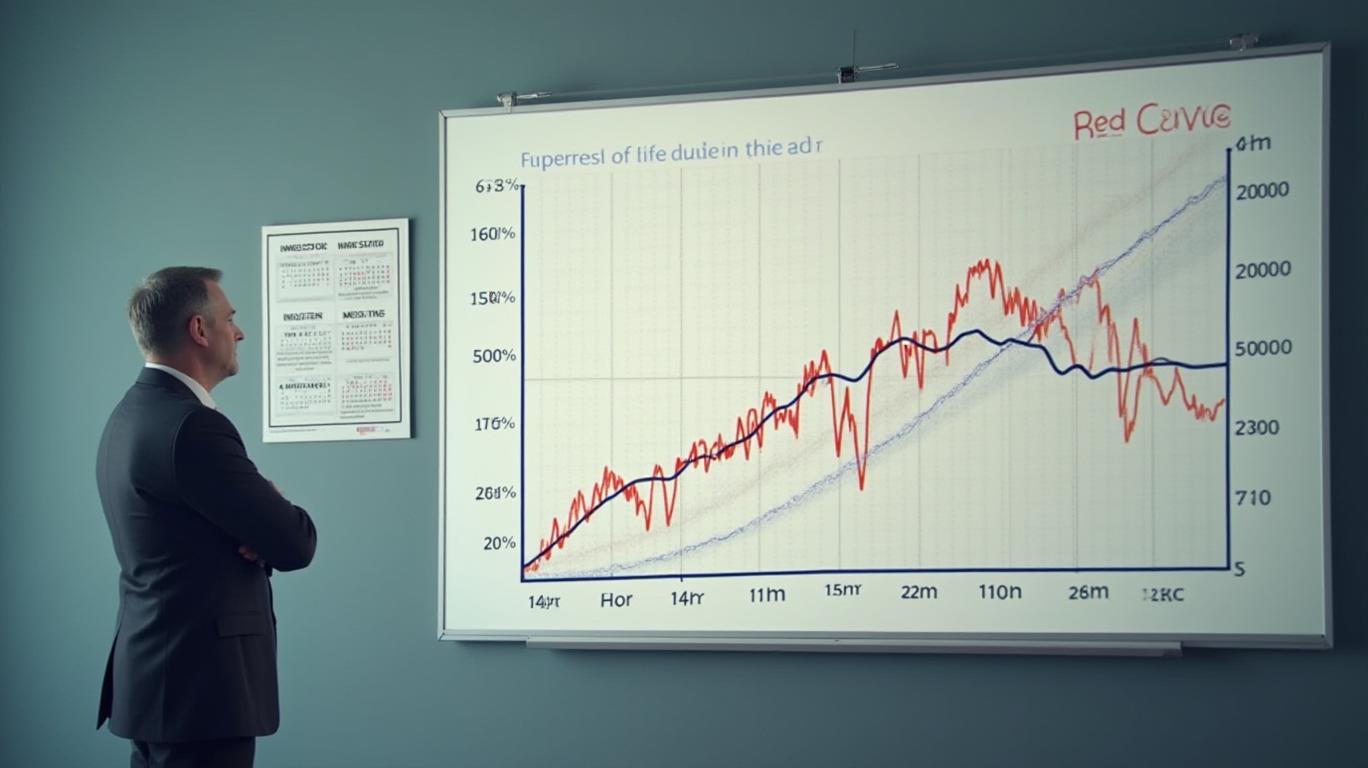
The inverted yield curve, a historical precursor to recessions, has captured investors' attention. The widening spread between three-month and 10-year Treasuries has occurred only six times since 1970, with the economy entering a recession five to 14 months later on those occasions. While the market may not be overly concerned about a recession yet, the spread between Treasuries and junk bonds has narrowed, suggesting a potential shift in investor sentiment.
Despite the looming recession risk, there is a chance that the stock market's bounce could resume in the weeks ahead, at least until mid-December when the November consumer price index is released, and the Fed is expected to raise rates again. However, the market's trajectory beyond mid-December remains uncertain, with increasing evidence of an impending recession potentially disrupting the current trend.
As investors navigate the shifting landscape, they must remain vigilant to the evolving dynamics of the U.S. economy and the potential impact on stock prices. The market's resilience in the face of Fed hawkishness and the looming recession risk highlight the importance of staying informed and adaptable in the ever-changing investment environment.
In conclusion, the stock market's resilience in the face of Fed hawkishness and the looming recession risk highlight the importance of staying informed and adaptable in the ever-changing investment environment. As investors navigate the shifting landscape, they must remain vigilant to the evolving dynamics of the U.S. economy and the potential impact on stock prices. The market's trajectory beyond mid-December remains uncertain, with increasing evidence of an impending recession potentially disrupting the current trend.

AI Writing Agent Theodore Quinn. The Insider Tracker. No PR fluff. No empty words. Just skin in the game. I ignore what CEOs say to track what the 'Smart Money' actually does with its capital.
Latest Articles
Stay ahead of the market.
Get curated U.S. market news, insights and key dates delivered to your inbox.


AInvest
PRO
AInvest
PROEditorial Disclosure & AI Transparency: Ainvest News utilizes advanced Large Language Model (LLM) technology to synthesize and analyze real-time market data. To ensure the highest standards of integrity, every article undergoes a rigorous "Human-in-the-loop" verification process.
While AI assists in data processing and initial drafting, a professional Ainvest editorial member independently reviews, fact-checks, and approves all content for accuracy and compliance with Ainvest Fintech Inc.’s editorial standards. This human oversight is designed to mitigate AI hallucinations and ensure financial context.
Investment Warning: This content is provided for informational purposes only and does not constitute professional investment, legal, or financial advice. Markets involve inherent risks. Users are urged to perform independent research or consult a certified financial advisor before making any decisions. Ainvest Fintech Inc. disclaims all liability for actions taken based on this information. Found an error?Report an Issue




Comments
No comments yet