
Real Estate 2026: Why Secondary Cities and Sustainability Are the New Blueprints for Growth
 Aime Summary
Real estate investment trends in 2026 are shifting toward secondary markets, green buildings, and tenant experience optimization. Secondary cities like Boise, Charlotte, and Tampa are seeing increased demand due to remote work and affordability. The Housing for the 21st Century Act, a bipartisan bill, aims to address housing shortages and affordability through streamlined processes and modernized loan programs. Commercial real estate is being repositioned through mixed-use developments and logistics-focused assets. Sustainability features like energy efficiency and eco-friendly construction are becoming critical for long-term value and tenant demand.
The real estate market in 2026 is undergoing a dramatic transformation, driven by shifting demographics, technological advances, and a growing emphasis on sustainability. For the first time in decades, remote work is reshaping where people live—and where investors should focus their attention. Cities like Tampa, Charlotte, and Boise are no longer just flyover towns; they are hotbeds of real estate growth. These secondary markets offer a unique blend of affordability, quality of life, and infrastructure, making them ideal for investors seeking long-term returns in a more dispersed landscape according to market analysis.
What Real Estate Trends Should Investors Target in 2026?
The rise of remote work is more than a temporary shift—it's reshaping the way people live and the way real estate is valued. With fewer people commuting to traditional urban cores, the demand for housing in secondary cities is increasing. This trend is supported by the availability of cheaper land, growing tech hubs, and the push for more balanced work-life integration. For example, Tampa and Charlotte now offer the same kind of amenities and infrastructure as major cities—but at a fraction of the cost.
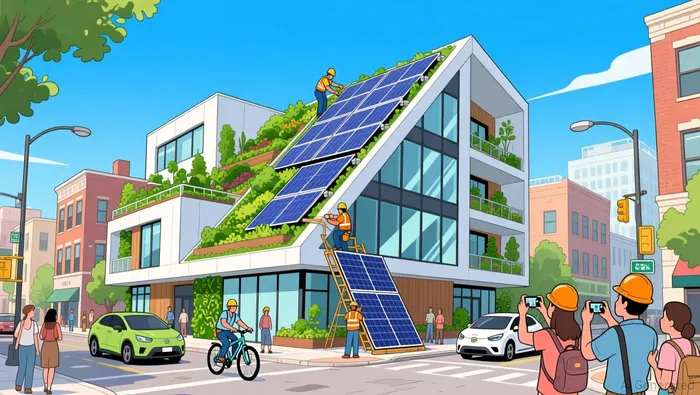
At the same time, sustainability is no longer a niche concern. Green buildings—those with energy-efficient systems, solar power, and eco-friendly materials—are becoming more attractive to both tenants and investors. Many of these properties qualify for government incentives, including tax breaks, which can significantly boost return on investment. This is especially true in markets where demand for environmentally responsible living is on the rise according to real estate experts.
What Long-Tail Trend Is Reshaping Real Estate Investment?
communities are emerging as a powerful new segment in residential real estate. Unlike traditional rental properties, BTR developments are specifically designed for long-term tenants with amenities like shared spaces, fitness centers, and smart home technology. As home ownership becomes less accessible due to high interest rates and soaring home prices, more people are opting to rent in these high-quality environments. This is not just a trend—it's a structural shift in the way people think about housing according to market research.
Moreover, property technology () is transforming real estate management. AI and automation tools now help investors manage tenant relations, schedule maintenance, and even predict future property issues before they become costly problems. These tools are making real estate more accessible to smaller investors who might not have had the resources to manage large portfolios before.
How Is the Housing Market Being Reshaped by New Legislation?
One of the most significant developments in the housing market this year is the proposed Housing for the 21st Century Act. This bipartisan bill aims to tackle the housing affordability crisis by streamlining regulatory processes, updating loan programs, and encouraging the development of manufactured homes. If passed, the bill could reduce construction delays and lower the costs of new housing, making it easier for more people to find affordable homes.
However, the bill is not without its critics. Some argue that it doesn't provide enough federal funding for affordable housing initiatives, and that the rush to approve projects could have environmental consequences. Others worry that the focus on affordability might come at the expense of energy efficiency and long-term sustainability. While these concerns are valid, the bill is still seen as a crucial step toward addressing the housing crisis according to industry analysis.
For investors, the key takeaway is clear: the real estate landscape is evolving, and those who adapt their strategies to these new realities will find the most success. Whether it's investing in secondary cities, green buildings, or BTR developments, the future of real estate is about flexibility, sustainability, and understanding the changing needs of both tenants and the market itself.

Stay ahead of the market.
Get curated U.S. market news, insights and key dates delivered to your inbox.


AInvest
PRO
AInvest
PRO



Comments
No comments yet