
RBI Doubles Gold Reserves to 11.70% of Total Foreign Exchange Reserves
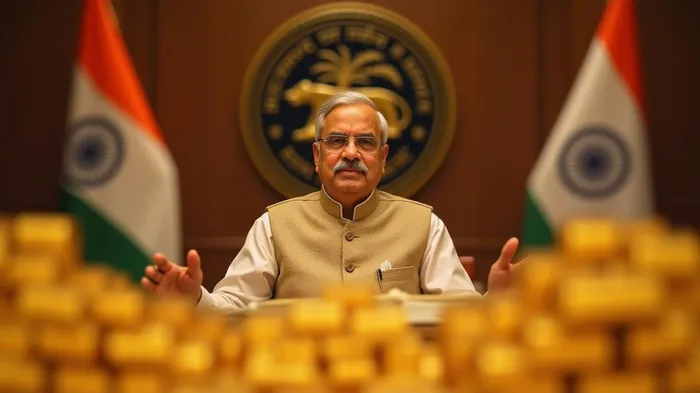
In a significant development, the Reserve Bank of India (RBI) has more than doubled its gold reserves as a proportion of its total foreign exchange reserves over the past four years. According to the RBI's semi-annual foreign exchange reserves report, the share of gold in India's total foreign exchange reserves, calculated in dollar terms, rose to 11.70% by the end of March 2025, up from 9.32% at the end of September 2024 and a substantial increase from 5.87% at the end of March 2021.
This rapid growth in gold reserves aligns with a global trend among central banks to increase their gold holdings. The RBI's report, released on May 6, 2025, highlighted that the proportion of gold in India's foreign exchange reserves has grown by nearly 100% over the past four years. By the end of March 2025, the RBI held 879.59 tons of gold, an increase from 854.73 tons at the end of September 2024.
This strategic move by the RBI reflects a careful balancing act between domestic and international gold reserve allocations, ensuring the safety and accessibility of reserve assets. Central banks typically hold gold reserves to diversify their assets, enhance financial stability, and mitigate risks. Gold serves as a hedge against inflation and currency fluctuations, making it a valuable asset in times of market and currency volatility.
Globally, central banks have been actively increasing their gold purchases in response to geopolitical uncertainties, dollar fluctuations, and concerns over U.S. Treasury bonds. The heightened market and currency volatility has driven many central banks to bolster their gold holdings as a means of risk diversification. This trend is evident in the strong demand for gold, with central banks continuing to acquire significant amounts of the precious metal.
Analysts point out that the reduced attractiveness of U.S. Treasury bonds has led central banks worldwide to decrease their reliance on these securities and instead increase their gold reserves. This shift is particularly notable among emerging market central banks, which have historically held less gold compared to their developed market counterparts. These banks are now turning to gold to diversify their reserve assets, a trend that is expected to continue in the future.

Stay ahead of the market.
Get curated U.S. market news, insights and key dates delivered to your inbox.


AInvest
PRO
AInvest
PRO



Comments
No comments yet