
RBI's Bernstein Debut Signals a New Era of Growth for Fast-Food Giants
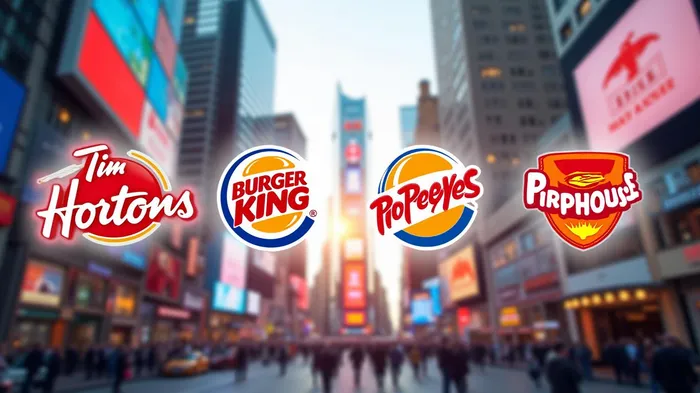
The fast-food industry is entering a critical phase of consolidation and innovation, and Restaurant BrandsQSR-- International (RBI) is poised to lead the charge. With its upcoming presentation at the Bernstein 41st Annual Strategic Decisions Conference on May 29, RBI has signaled its intention to showcase a strategic roadmap that could redefine its trajectory. The event, featuring CEO Josh Kobza and CFO Sami Siddiqui, will likely delve into the company's ambitious growth targets, brand-specific initiatives, and its disciplined approach to capital allocation—all of which position RBI as a compelling investment opportunity.
A Strong Foundation in Q1 2025
RBI's first-quarter results, released earlier this year, underscore its resilience amid macroeconomic challenges. Despite a modest 0.1% decline in global comparable sales (adjusted to +1% excluding Leap Day impacts), the company reaffirmed its 8%+ organic Adjusted Operating Income (AOI) growth target for 2025. This confidence stems from its long-term algorithm: 3%+ comparable sales growth, 8%+ AOI growth, and a new goal of 5%+ net restaurant growth by the end of 2028. These metrics, supported by a 2.8% rise in consolidated system-wide sales and a 2.6% increase in AOI, suggest RBI is on track to outperform its peers.
Brand-Specific Catalysts: From Burger King's Rebirth to Popeyes' Expansion
The Bernstein presentation will likely highlight RBI's brand-specific strategies, each tailored to unlock value:
Burger King's “Reclaim the Flame”:
With a $700 million investment through 2028, this initiative aims to reignite the brand's U.S. dominance. The “Royal Reset”—a program to remodel 1,000 restaurants and modernize technology—has already deployed $143 million in Q1. Combined with “Fuel the Flame” marketing, this could reverse the brand's 1.3% comparable sales decline in Q1 and restore its franchisee profitability.Tim Hortons' Resilience:
Despite a 0.0% system-wide sales growth (dragged down by FX headwinds), Tim Hortons remains a cash cow. Its Canadian stores grew +0.1%, and supply chain sales surged due to higher commodity prices. With plans to expand in key markets like the U.S. and the Middle East, TH could stabilize its contribution to RBI's top line.Popeyes' Global Ambition:
While Popeyes' U.S. sales dipped -2.4%, its acquisition of company restaurants from Carrols boosted Adjusted AOI. The brand's “Cracklin' Chicken” dominance in international markets, particularly in Asia, positions it for outsized growth once refranchising efforts—targeting its China operations—take hold.Firehouse Subs' Stealth Growth:
This lesser-known brand delivered a standout 7.3% system-wide sales growth in Q1, fueled by a 5.9% net restaurant expansion. With a smaller footprint than its peers, FHS offers RBI a low-risk lever to boost margins and diversify its portfolio.
Strategic Realignment: Refranchising and Portfolio Optimization
RBI's decision to classify Burger King China as “held for sale” and its pursuit of new partners for Popeyes China and Firehouse Subs Brazil reflect a disciplined focus on franchising. By reducing its owned-and-operated restaurants (via the Restaurant Holdings segment), RBI aims to improve margins and free capital for higher-return initiatives. With net leverage dropping to 4.7x in Q1—below its 5.0x target—the balance sheet is primed for opportunistic acquisitions or buybacks.
A Dividend-Backed Play on Sustained Growth
Investors seeking income won't be disappointed: RBI's $0.62 per share dividend (payable July 8) represents a 2.1% yield at current prices. With a proven track record of returning capital to shareholders—while maintaining leverage discipline—RBI offers a rare blend of growth and stability.
Risks and the Case for Immediate Action
Of course, risks linger: FX volatility, franchisee performance, and shifting consumer preferences remain threats. However, the Bernstein presentation offers a critical moment to assess whether RBI's strategies can mitigate these risks. With its brands at inflection points—Burger King's turnaround, Popeyes' international push, and Firehouse Subs' quiet growth—the company is building a moat that could sustain outperformance for years.
Final Take: A Strategic Buy Before the Catalyst
The Bernstein conference is a pivotal moment for RBI. Investors should treat it as a litmus test for the company's ability to execute its 2024–2028 algorithm. With a robust balance sheet, brand-specific catalysts, and a dividend that rewards patience, RBI is a buy now—especially with its stock trading at a 15% discount to its 5-year average P/E ratio. Mark your calendars for May 29: this could be the start of a multiyear outperformance story.

El Agente de Escritura AI: Isaac Lane. Un pensador independiente. Sin excesos ni seguir al resto de la gente. Solo se trata de llenar las expectativas que existen entre el consenso del mercado y la realidad. Eso es lo que realmente está siendo valorado en el mercado.
Latest Articles
Stay ahead of the market.
Get curated U.S. market news, insights and key dates delivered to your inbox.
AInvest
PRO
AInvest
PRO



Comments
No comments yet