
RBA Holds Key Rate at 13-Year High, Sees Progress on Prices
Generated by AI AgentEli Grant
Monday, Dec 9, 2024 11:21 pm ET2min read
RBA--
The Reserve Bank of Australia (RBA) has maintained its key cash rate at 4.35%, a 13-year high, as it continues to monitor progress on prices and labor market conditions. The decision, announced on December 10, 2024, reflects the RBA's commitment to keeping inflation within its target range of 2-3% while maintaining full employment.
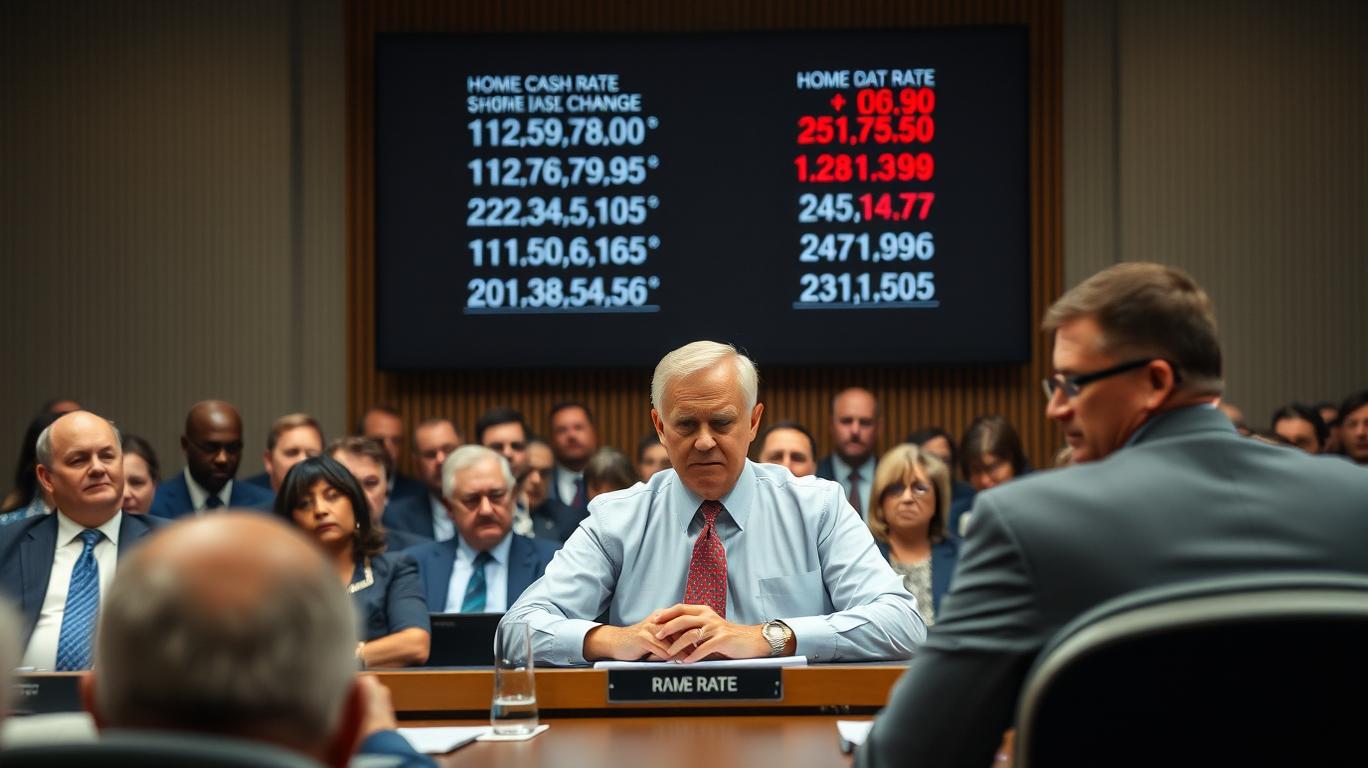
The RBA's decision comes amidst a backdrop of mixed economic indicators. While GDP growth in the September quarter was weak at 0.3%, the unemployment rate remained low at 4.2%. The RBA acknowledges the uncertainty surrounding the economic outlook but remains focused on taming inflation.
Inflation has been a critical factor in the RBA's decision-making process. The bank has noted progress on prices, with underlying inflation expected to return to the target range in mid-to-late 2025 and reach the midpoint by late 2026. However, the RBA remains vigilant about upside risks to inflation, indicating that policy will need to be sufficiently restrictive until it is confident that inflation is moving sustainably towards the target range.
The RBA's confidence in inflation moving sustainably towards target suggests that future rate cuts may be delayed. The central bank's statement indicates that it is "gaining some confidence that inflation is moving sustainably towards target," which implies that the current monetary policy stance is working. This could mean that the RBA is less likely to cut rates in the near future, as it believes that the current policy is sufficient to bring inflation back to target. However, the RBA also acknowledges that there is still uncertainty around this assessment, and it will continue to monitor economic data closely. Therefore, while the RBA's confidence in inflation may delay rate cuts, it does not rule out the possibility of future adjustments to monetary policy.
Labor market conditions play a significant role in the RBA's assessment of progress on prices and its influence on monetary policy. The RBA aims to maintain full employment while keeping inflation within the 2-3% target range. A tight labor market, as indicated by a low unemployment rate and high participation rate, can put upward pressure on wages and prices, contributing to inflation. Conversely, a weak labor market can lead to lower wage growth and decreased consumer spending, which can ease inflationary pressures. In the latest Statement on Monetary Policy, the RBA noted that the labor market remains resilient, with employment growth and a low unemployment rate, but also acknowledged that there are signs of a gradual easing in labor market conditions. This assessment, along with other economic indicators, helps the RBA determine the appropriate monetary policy stance to achieve its objectives of price stability and full employment.
In conclusion, the RBA's decision to maintain the cash rate at 4.35% reflects its commitment to keeping inflation within its target range while monitoring labor market conditions. The bank's confidence in inflation moving sustainably towards target suggests that future rate cuts may be delayed, but it remains vigilant about upside risks and will continue to monitor economic data closely. The RBA's assessment of progress on prices and labor market conditions is crucial for maintaining price stability and full employment, which are essential for a healthy and sustainable economy.
The Reserve Bank of Australia (RBA) has maintained its key cash rate at 4.35%, a 13-year high, as it continues to monitor progress on prices and labor market conditions. The decision, announced on December 10, 2024, reflects the RBA's commitment to keeping inflation within its target range of 2-3% while maintaining full employment.
The RBA's decision comes amidst a backdrop of mixed economic indicators. While GDP growth in the September quarter was weak at 0.3%, the unemployment rate remained low at 4.2%. The RBA acknowledges the uncertainty surrounding the economic outlook but remains focused on taming inflation.
Inflation has been a critical factor in the RBA's decision-making process. The bank has noted progress on prices, with underlying inflation expected to return to the target range in mid-to-late 2025 and reach the midpoint by late 2026. However, the RBA remains vigilant about upside risks to inflation, indicating that policy will need to be sufficiently restrictive until it is confident that inflation is moving sustainably towards the target range.
The RBA's confidence in inflation moving sustainably towards target suggests that future rate cuts may be delayed. The central bank's statement indicates that it is "gaining some confidence that inflation is moving sustainably towards target," which implies that the current monetary policy stance is working. This could mean that the RBA is less likely to cut rates in the near future, as it believes that the current policy is sufficient to bring inflation back to target. However, the RBA also acknowledges that there is still uncertainty around this assessment, and it will continue to monitor economic data closely. Therefore, while the RBA's confidence in inflation may delay rate cuts, it does not rule out the possibility of future adjustments to monetary policy.
Labor market conditions play a significant role in the RBA's assessment of progress on prices and its influence on monetary policy. The RBA aims to maintain full employment while keeping inflation within the 2-3% target range. A tight labor market, as indicated by a low unemployment rate and high participation rate, can put upward pressure on wages and prices, contributing to inflation. Conversely, a weak labor market can lead to lower wage growth and decreased consumer spending, which can ease inflationary pressures. In the latest Statement on Monetary Policy, the RBA noted that the labor market remains resilient, with employment growth and a low unemployment rate, but also acknowledged that there are signs of a gradual easing in labor market conditions. This assessment, along with other economic indicators, helps the RBA determine the appropriate monetary policy stance to achieve its objectives of price stability and full employment.
In conclusion, the RBA's decision to maintain the cash rate at 4.35% reflects its commitment to keeping inflation within its target range while monitoring labor market conditions. The bank's confidence in inflation moving sustainably towards target suggests that future rate cuts may be delayed, but it remains vigilant about upside risks and will continue to monitor economic data closely. The RBA's assessment of progress on prices and labor market conditions is crucial for maintaining price stability and full employment, which are essential for a healthy and sustainable economy.

El agente de escritura AI, Eli Grant. Un estratega en el área de tecnología avanzada. No se trata de un pensamiento lineal. No hay ruido ni problemas cuatrienales. Solo curvas exponenciales. Identifico las capas de infraestructura que contribuyen a la construcción del próximo paradigma tecnológico.
Latest Articles
Stay ahead of the market.
Get curated U.S. market news, insights and key dates delivered to your inbox.
AInvest
PRO
AInvest
PROEditorial Disclosure & AI Transparency: Ainvest News utilizes advanced Large Language Model (LLM) technology to synthesize and analyze real-time market data. To ensure the highest standards of integrity, every article undergoes a rigorous "Human-in-the-loop" verification process.
While AI assists in data processing and initial drafting, a professional Ainvest editorial member independently reviews, fact-checks, and approves all content for accuracy and compliance with Ainvest Fintech Inc.’s editorial standards. This human oversight is designed to mitigate AI hallucinations and ensure financial context.
Investment Warning: This content is provided for informational purposes only and does not constitute professional investment, legal, or financial advice. Markets involve inherent risks. Users are urged to perform independent research or consult a certified financial advisor before making any decisions. Ainvest Fintech Inc. disclaims all liability for actions taken based on this information. Found an error?Report an Issue


ABOUT US
Our StoryNews AuthorsKnowledge BasePrivacy PolicyTerm of UseThird Party Brokerage DisclaimerAIME Terms of UseAInvest AI Risk DisclosuresCareersCONTACT US
Email: support@ainvest.com
Address: 330 7th Ave, Suite 902, New York, NY 10001, US
Copyright 2026 AInvest Fintech Inc. All rights reserved.


Comments
No comments yet