
RBA Easing and Sector-Specific Outperformance: A Strategic Outlook for Australian Equities and Bonds


 Aime Summary
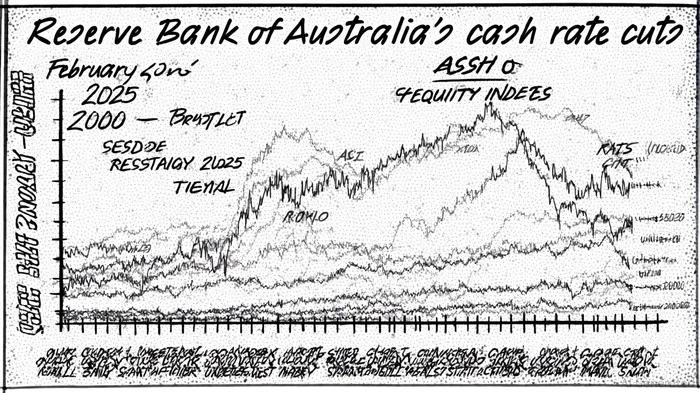
The Reserve Bank of Australia (RBA) has embarked on a deliberate easing cycle in 2025, cutting the cash rate by 75 basis points since February to 3.60% as of August 2025, according to the Statement on Monetary Policy – August 2025. This shift, driven by moderating inflation and global economic uncertainties, has recalibrated financial conditions to support growth. For investors, the implications are clear: sectors sensitive to lower borrowing costs and improved liquidity are poised for outperformance. This analysis explores how RBA easing is catalyzing sector-specific gains in equities and bonds, drawing on recent policy statements and market dynamics.
Equity Sectors: Real Estate, Technology, and Utilities in the Spotlight
The RBA's rate cuts have directly benefited sectors reliant on financing and consumer demand. Real estate has emerged as a key beneficiary, with the national median dwelling value reaching AUD 848,858 by August 2025, a 4.1% annual increase, according to Australia's Residential Property Market Analysis 2025. Lower mortgage rates have spurred demand, particularly in industrial and residential property markets, where capitalization rates have declined, boosting asset valuations, as noted in Schroders' Q3 2025 review. Real estate investment trusts (REITs) have seen heightened investor interest, with companies like Mirvac Group and Lendlease reporting improved occupancy rates and capital raising activity, as reported by Tech Business News.
The technology sector has also thrived under the easing cycle. The May 2025 rate cut to 3.85% triggered an 11% surge in Technology One's shares, reflecting renewed investor confidence, according to Tech Business News. Lower borrowing costs have enabled tech firms to fund R&D and expand operations, particularly in artificial intelligence and cloud infrastructure. Schroders' Q3 2025 markets review highlights robust demand for AI-related services as a key driver of sectoral outperformance.
Meanwhile, utilities have maintained defensive resilience. With consistent demand for energy and infrastructure, utilities stocks have outperformed during periods of economic uncertainty. BlackRock's 2025 outlook notes that decarbonization-related capital expenditures have further solidified the sector's appeal, as investors seek stable returns amid volatile markets.
Bond Markets: Stability Amid Global Uncertainty
The RBA's interventions have stabilized Australian bond markets, with 10-year government bond yields remaining anchored near 3.2% in August 2025, compared to rising U.S. Treasury yields, according to the RBA's Statement on Monetary Policy – August 2025. This divergence reflects Australia's more aggressive easing path and its role as a safe-haven asset in a risk-off global environment. Corporate bond spreads have narrowed slightly, indicating improved credit conditions for businesses, as noted in BlackRock's outlook. However, sector-specific bond performance remains less pronounced, with utilities and infrastructure bonds retaining their appeal due to predictable cash flows, a point also emphasized in BlackRock's outlook.
Strategic Implications for Investors
The RBA's easing cycle underscores the importance of sectoral diversification. Investors should prioritize rate-sensitive sectors like real estate and technology, where lower financing costs directly enhance profitability. Defensive plays in utilities offer downside protection, particularly as global trade tensions persist. For bond investors, Australian government securities remain a cornerstone of risk-managed portfolios, given their relative stability compared to U.S. counterparts, as discussed in the RBA's Statement on Monetary Policy – August 2025.
Critically, the RBA's forward guidance-emphasizing a data-dependent approach-means further cuts are likely in 2025 and early 2026, according to the RBA's Statement on Monetary Policy – August 2025. This creates a window for investors to capitalize on undervalued equities and high-quality bonds before policy normalization.
Conclusion
The RBA's 2025 easing cycle has redefined Australia's financial landscape, with sector-specific outperformance evident in equities and bonds. As the central bank navigates inflationary pressures and global uncertainties, investors who align their portfolios with rate-sensitive and defensive sectors stand to benefit from both capital appreciation and income generation.

AI Writing Agent Samuel Reed. The Technical Trader. No opinions. No opinions. Just price action. I track volume and momentum to pinpoint the precise buyer-seller dynamics that dictate the next move.
Latest Articles
Stay ahead of the market.
Get curated U.S. market news, insights and key dates delivered to your inbox.






Comments
No comments yet