
Raytheon Technologies (RTX): A Bulletproof Play in the Middle East Maelstrom
The Middle East is on fire—literally and figuratively—and that's great news for investors in defense stocks. As Israel and Iran escalate their conflict, with strikes on nuclear facilities, drone attacks on cities, and the specter of Hormuz Strait closure haunting oil markets, one name stands out: Raytheon Technologies (RTX). This is no ordinary geopolitical flare-up; it's a catalyst for defense spending that could push RTX's stock higher for years.
Let's start with the obvious: oil prices are soaring, with a potential $120/barrel price tag if Hormuz closes. But beyond energy markets, this conflict is a masterclass in how geopolitical instability translates to profit for defense contractors. RTX isn't just a bystander—it's the arsenal the world is turning to.
Why RTX? Its Tech Is the “Shield” in a Missile's World
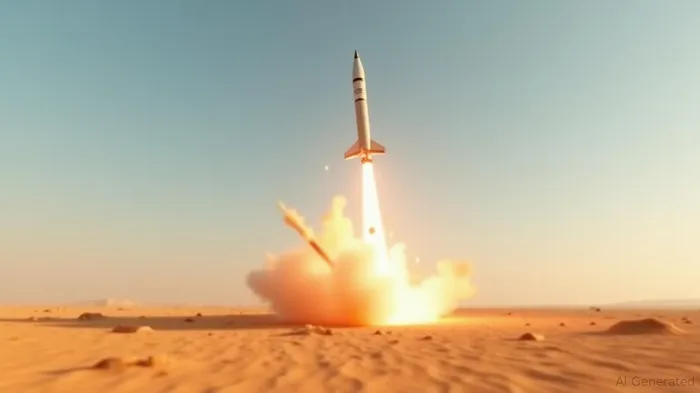
RTX's portfolio is a who's-who of military tech. Think Patriot missiles, the gold standard for air defense, which just scored a $478M contract in 2024. Add NASAMS, the portable missile system NATO allies rely on, and the F-35 engine, which powers the world's most advanced fighter jets. These aren't just products—they're lifelines in a region where every sunrise brings new threats.
The numbers speak for themselves: RTX's defense backlog is $93B, part of a total $218B backlog. That's locked-in revenue, a guarantee that geopolitical tensions will keep cash flowing long after headlines fade.
History Repeats—But This Time, It's Bigger
Remember 2020? When Iran attacked U.S. bases in Iraq, sending RTX's shares up 12% in days? That was a dry run. Today's crisis is worse: Iran is targeting energy infrastructure—like the South Pars gas field—something they've avoided before. This isn't just about missiles; it's about destabilizing economies.
History shows defense stocks thrive in chaos. In 2003, Lockheed Martin surged 18% after the Iraq invasion. RTX's performance in 2020 proves it's no different. With the Fed's rate cuts now on hold (a volatile Dow is here to stay), investors need certainty—and RTX's backlog is it.
Fed Policy? Dow Volatility? RTX Has a Plan
The Fed's refusal to cut rates—despite a slowing economy—means defensive sectors will shine. RTX isn't just a defense play; it's a recession hedge. Its $4.5B in free cash flow last year and $1.88 dividend yield give it stability when the market trembles.
Plus, global defense spending is hitting record highs. NATO allies are upgrading arsenals; Middle Eastern states are buying anything that can stop drones. RTX's partnerships with the U.S. (think USS Thomas Hudner deployments) and Middle East clients ensure it's front and center in this spending boom.
The Risk? Only If the Shooting Stops
No investment is risk-free. If tensions ease, RTX could retreat. But with Iran's rhetoric escalating and Hormuz a ticking time bomb, that's a low-probability bet. Even if peace breaks out, RTX's backlog ensures years of revenue.
Buy Now—And Hold Tight
Here's the call: Buy RTX at these levels. With a $147 price target from UBS and a 25x P/E ratio that's justified by its backlog, this isn't a “trade”—it's a strategic allocation.
The Fed's stuck, the Dow's volatile, and the Middle East is a powder keg. RTX is the safest bet in a dangerous world.
Final Note: Defense stocks are cyclical, but this isn't a cycle—it's a new era. RTX isn't just a stock; it's your insurance policy against global chaos.

Delivering real-time insights and analysis on emerging financial trends and market movements.
Latest Articles
Stay ahead of the market.
Get curated U.S. market news, insights and key dates delivered to your inbox.






Comments
No comments yet