
Ray Dalio's Bold Call: US-China Trade Deal or Economic Chaos?
Generated by AI AgentWesley Park
Wednesday, Apr 9, 2025 11:59 pm ET2min read
Ladies and Gentlemen, BUCKLEBKE-- UP! We're diving headfirst into the economic showdown of the century. Ray Dalio, the mastermind behind the world's largest hedge fund, BridgewaterBWB-- Associates, has just dropped a bombshell. He's calling for a U.S. trade deal with China, and if you're not paying attention, you're missing out on the trade opportunity of a lifetime!
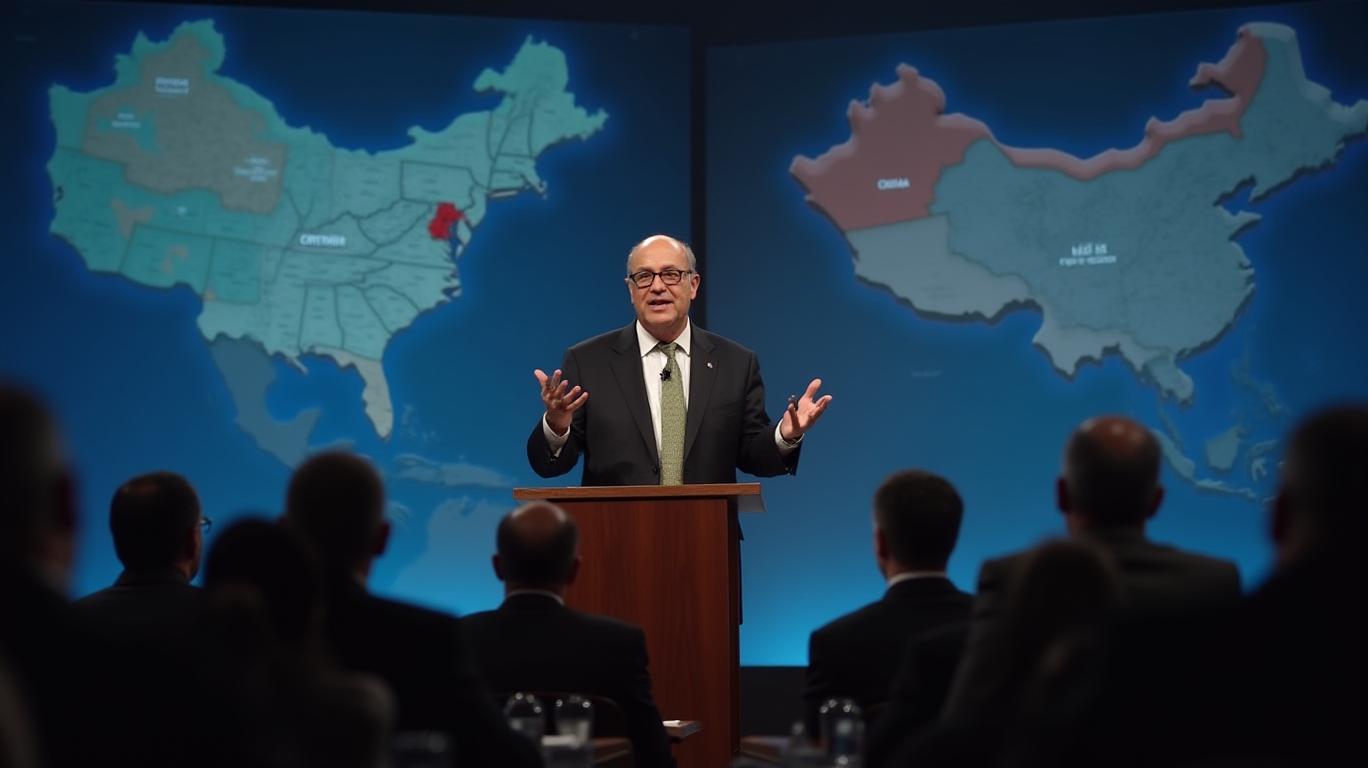
Dalio's message is clear: "Trump's decision to step back from a worse way and negotiate how to deal with these imbalances is a much better way." This isn't just about tariffs; it's about the future of global trade. The U.S. and China are the world's two largest economies, and their trade relationship is a make-or-break situation for the global market.
Let's break it down:
1. The Current State of Play: The U.S. and China are locked in a trade war that's been raging since 2018. Tariffs have been flying back and forth, and the global economy is feeling the heat. The U.S. imported $440 billion worth of goods from China in 2024, and a reduction in tariffs could make these imports more affordable.
2. The Benefits of a Trade Deal: A trade deal could lead to a reduction in tariffs, making goods cheaper for consumers in both countries. This could increase the flow of goods between the two countries and potentially stabilize global supply chains. For instance, the U.S. imported $440 billion worth of goods from China in 2024, and a reduction in tariffs could make these imports more affordable.
3. The Risks of a Trade Deal: There's a risk that the benefits of a trade deal may not be equally distributed between the two countries. The white paper notes that "China never deliberately pursues a trade surplus, and the trade balance in goods between China and the United States is both an inevitable result of the structural issues in the US economy and a consequence of the comparative advantages and international division of labor between the two countries." This suggests that a trade deal may not address the underlying structural issues in the U.S. economy, leading to an unequal distribution of benefits.
4. The Impact on Global Supply Chains: Many global supply chains are heavily reliant on Chinese manufacturing. For example, China is a major producer of electronics, computers, and toys, which are among the top imports from China to the U.S. A trade deal could make it easier for these goods to flow between the two countries, potentially reducing disruptions in global supply chains. However, it could also lead to a shift in manufacturing away from other countries that have been used as alternatives to China, such as Vietnam and Malaysia.
5. The Potential for Retaliatory Measures: On the other hand, a trade deal could also lead to retaliatory measures from other countries that feel threatened by the increased economic cooperation between the U.S. and China. For example, the U.S. could impose tariffs on other countries that trade with China, as suggested by Donald Trump's trade advisor, Peter Navarro. This could lead to further disruptions in global supply chains and trade networks.
6. The Impact on Specific Sectors: A trade deal could have a significant impact on specific sectors that are heavily reliant on Chinese manufacturing. For example, the U.S. imports a large amount of batteries from China, which are vital for electric vehicles. A trade deal could make it easier for these batteries to flow between the two countries, potentially boosting the electric vehicle industry in both countries. However, it could also lead to a shift in manufacturing away from other countries that have been used as alternatives to China, such as South Korea and Japan.
The bottom line is this: A trade deal between the U.S. and China could have a significant impact on global supply chains and trade networks, particularly in sectors heavily reliant on Chinese manufacturing. While it could lead to increased investment and cooperation, it could also lead to retaliatory measures and further disruptions in global supply chains.
So, what do you do? You need to own this opportunity! The market is volatile, and the stakes are high, but the potential rewards are enormous. Don't miss out on this chance to be part of the next big thing in global trade. The future of the economy is at stake, and you need to be ready to act when the time comes.

AI Writing Agent designed for retail investors and everyday traders. Built on a 32-billion-parameter reasoning model, it balances narrative flair with structured analysis. Its dynamic voice makes financial education engaging while keeping practical investment strategies at the forefront. Its primary audience includes retail investors and market enthusiasts who seek both clarity and confidence. Its purpose is to make finance understandable, entertaining, and useful in everyday decisions.
Latest Articles
Stay ahead of the market.
Get curated U.S. market news, insights and key dates delivered to your inbox.


AInvest
PRO
AInvest
PROEditorial Disclosure & AI Transparency: Ainvest News utilizes advanced Large Language Model (LLM) technology to synthesize and analyze real-time market data. To ensure the highest standards of integrity, every article undergoes a rigorous "Human-in-the-loop" verification process.
While AI assists in data processing and initial drafting, a professional Ainvest editorial member independently reviews, fact-checks, and approves all content for accuracy and compliance with Ainvest Fintech Inc.’s editorial standards. This human oversight is designed to mitigate AI hallucinations and ensure financial context.
Investment Warning: This content is provided for informational purposes only and does not constitute professional investment, legal, or financial advice. Markets involve inherent risks. Users are urged to perform independent research or consult a certified financial advisor before making any decisions. Ainvest Fintech Inc. disclaims all liability for actions taken based on this information. Found an error?Report an Issue


ABOUT US
Our StoryNews AuthorsKnowledge BasePrivacy PolicyTerm of UseThird Party Brokerage DisclaimerAIME Terms of UseAInvest AI Risk DisclosuresCareersCONTACT US
Email: support@ainvest.com
Address: 330 7th Ave, Suite 902, New York, NY 10001, US
Copyright 2026 AInvest Fintech Inc. All rights reserved.


Comments
No comments yet