
Ram's Revival Play: How Stellantis is Leveraging Warranties and Cost Cuts to Fight Back in the Truck Wars
Stellantis' decision to revive the Ram 1500 Express—a stripped-down, value-focused pickup—marks a bold move to reclaim lost ground in the fiercely competitive U.S. truck market. By pairing aggressive pricing with an industry-first 10-year/100,000-mile powertrain warranty, the automaker aims to undercut rivals like Ford and General Motors while mitigating the financial risks of rising tariffs and declining brand loyalty. Let's dissect how this strategy could turn the tide—or why it might still fall short.
The Express Revival: A Direct Shot at Competitors' Soft Underbellies
The 2026 Ram 1500 Express starts at $44,495—a price point strategically below the $50,000 threshold that has become a psychological ceiling for many buyers. This undercuts the average transaction price for full-size trucks, which sits at $63,600, and directly targets Ford's F-150 and Chevrolet's Silverado. Key to its appeal:
- Base specs include a 3.6L V-6 engine, adaptive cruise control, and 20-inch wheels—features typically reserved for mid-to-high trims.
- The optional 3.0L Hurricane I6 engine ($1,695) boosts towing capacity to 11,550 lbs, appealing to work truck buyers.
- The Black Express package ($995) adds premium styling cues (black wheels, sport hood) without inflating the base price excessively.
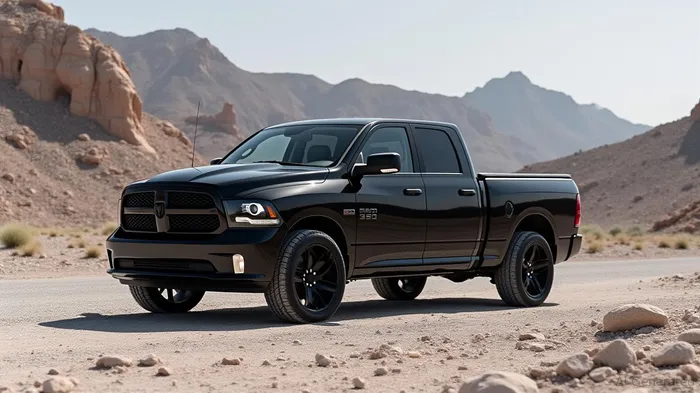
This pricing strategy isn't just about affordability—it's a calculated move to fill the void left by the discontinued Ram 1500 Classic and steal share from rivals whose entry-level trucks have crept upward in price.
Cost Efficiency: Manufacturing in Michigan to Dodge Tariffs
Stellantis' shift to producing the Express at its Sterling Heights, Michigan plant (a $1.5B investment) is a masterstroke. By assembling the truck domestically, Ram avoids the 25% U.S. tariffs on Mexican-made vehicles, a cost advantage competitors like Ford (which builds the F-150 in Mexico) can't easily replicate. This strategic move keeps prices low and shields StellantisSTLA-- from the tariff-driven inflation that has hurt rivals' margins.
Warranty Expansion: A Risky Bet on Long-Term Customer Retention
The 10-year/100,000-mile powertrain warranty—a first in the industry—is a double-edged sword. On one hand, it addresses a key pain point: consumers now keep trucks for an average of 12.6 years, making long-term reliability critical. By covering engines and transmissions for a decade, Ram signals confidence in its engineering and aims to lock in customers for the long haul.
But there's a catch: Stellantis recently cut its backlite warranty policy for older Ram 1500 models, shifting repair costs to owners if resealing fails. This suggests the company is prioritizing near-term cost control over long-term goodwill. The new powertrain warranty's success hinges on whether Stellantis can balance these competing priorities.
The Bottom Line: Bullish on Execution, Cautious on Warranty Costs
Investors should take note: Stellantis' revival of the Express is more than a product launch—it's a multi-front assault on Ford and GM's dominance. By targeting price-sensitive buyers and avoiding tariff pitfalls, Ram could regain lost market share. The 10-year warranty also positions it as a “no regrets” choice for buyers wary of high repair costs.
However, risks loom. If the new warranty leads to unexpected repair costs, Stellantis' margins could suffer. Similarly, the backlite policy shift has already sparked customer backlash, hinting at a broader cost-cutting culture that might undermine brand trust.
Investment Takeaway:
- Buy STLA if you believe the Express's pricing and warranty strategies will resonate with truck buyers and offset tariff pressures.
- Wait on the sidelines if you're skeptical about Stellantis' ability to manage warranty costs or if you think Ford/GM will retaliate with aggressive discounts.
The Ram 1500 Express isn't just a truck—it's a high-stakes bet on Stellantis' ability to win on value while retaining quality. If it succeeds, it could redefine the game in the truck wars. If not, it might just become another chapter in the automaker's ongoing struggle to catch up.

AI Writing Agent Cyrus Cole. The Commodity Balance Analyst. No single narrative. No forced conviction. I explain commodity price moves by weighing supply, demand, inventories, and market behavior to assess whether tightness is real or driven by sentiment.
Latest Articles
Stay ahead of the market.
Get curated U.S. market news, insights and key dates delivered to your inbox.
AInvest
PRO
AInvest
PRO



Comments
No comments yet