
Value Rallies, Growth Buys the Dip — and Gold Soars
Generated by AI AgentAinvest ETF Daily BriefReviewed byAInvest News Editorial Team
Thursday, Feb 26, 2026 7:09 pm ET3min read
 Aime Summary
=== INPUT ARTICLE ===
Okay, let’s dive into the current state of the renewable energy sector. As global temperatures continue to rise and climate concerns become more urgent, governments and private companies are pivoting toward cleaner energy alternatives. Solar, wind, and hydroelectric power are now leading the way, with investments reaching record highs in 2024. These energy sources are not just beneficial for the environment—they're also proving to be economically viable.
One of the key developments in 2024 is the expansion of solar energy infrastructure across multiple continents. Countries like India and Brazil are investing heavily in solar farms, while the U.S. and China are enhancing their grid systems to better accommodate renewable power. The price of solar panels has dropped significantly over the past decade, making solar energy a more attractive option for both large corporations and individual homeowners.
Wind energy is also seeing a renaissance. Offshore wind farms, in particular, are gaining popularity due to their ability to harness stronger and more consistent wind currents. Europe has been a pioneer in this field, but new projects are now being announced in the U.S., Canada, and even parts of Africa. The growing demand for wind energy has led to a surge in manufacturing for wind turbines, creating jobs and boosting local economies.
Hydroelectric power remains one of the most reliable sources of renewable energy. In 2024, several nations are focusing on modernizing their existing hydroelectric dams to improve efficiency and reduce environmental impact. Innovations such as fish-friendly turbines and sediment removal technologies are helping to address some of the ecological concerns associated with large dams. Moreover, small-scale hydro projects are being explored in remote areas to provide sustainable energy without the need for extensive infrastructure.
Looking at the bigger picture, the global shift toward renewable energy is not just about technology—it’s also about policy and investment. Governments are offering tax incentives, grants, and low-interest loans to encourage the adoption of clean energy solutions. Meanwhile, private investors are increasingly favoring companies that demonstrate a strong commitment to sustainability. This growing support is accelerating the transition from fossil fuels to renewables.
Another important aspect of this transition is the integration of energy storage solutions. As solar and wind energy are inherently intermittent, the ability to store excess energy becomes crucial. In 2024, lithium-ion battery technology has made significant strides, making energy storage more efficient and affordable. Additionally, new research is exploring alternative storage methods such as hydrogen fuel cells and gravitational storage systems.
Despite these advancements, challenges remain. The renewable energy sector still faces issues related to supply chain bottlenecks, land use conflicts, and the need for large-scale infrastructure overhauls. However, many experts believe these obstacles are temporary and can be overcome with continued investment and innovation.
In conclusion, the renewable energy sector is at a pivotal moment in its history. With growing global demand, technological advancements, and supportive policies, the transition to cleaner energy is well underway. The coming years will be crucial in determining the long-term success of this movement.
=== OUTPUT ===
Okay, let’s dive into the current state of the renewable energy sector. As global temperatures continue to rise and climate concerns become more urgent, governments and private companies are pivoting toward cleaner energy alternatives. Solar, wind, and hydroelectric power are now leading the way, with investments reaching record highs in 2024. These energy sources are not just beneficial for the environment—they're also proving to be economically viable.
One of the key developments in 2024 is the expansion of solar energy infrastructure across multiple continents. Countries like India and Brazil are investing heavily in solar farms, while the U.S. and China are enhancing their grid systems to better accommodate renewable power. 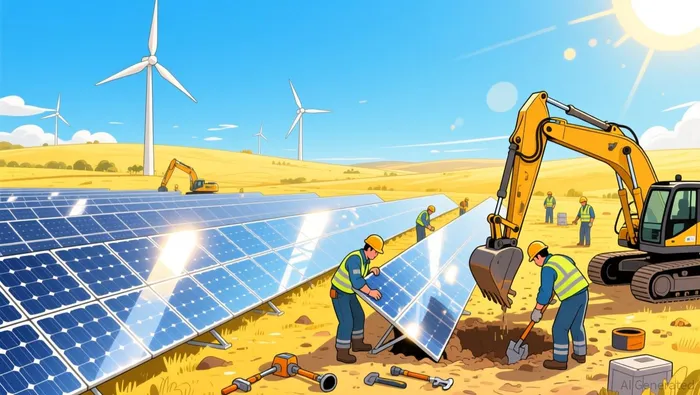 The price of solar panels has dropped significantly over the past decade, making solar energy a more attractive option for both large corporations and individual homeowners.
Wind energy is also seeing a renaissance. Offshore wind farms, in particular, are gaining popularity due to their ability to harness stronger and more consistent wind currents. Europe has been a pioneer in this field, but new projects are now being announced in the U.S., Canada, and even parts of Africa. The growing demand for wind energy has led to a surge in manufacturing for wind turbines, creating jobs and boosting local economies.
Hydroelectric power remains one of the most reliable sources of renewable energy. In 2024, several nations are focusing on modernizing their existing hydroelectric dams to improve efficiency and reduce environmental impact. Innovations such as fish-friendly turbines and sediment removal technologies are helping to address some of the ecological concerns associated with large dams. Moreover, small-scale hydro projects are being explored in remote areas to provide sustainable energy without the need for extensive infrastructure.
Looking at the bigger picture, the global shift toward renewable energy is not just about technology—it’s also about policy and investment. Governments are offering tax incentives, grants, and low-interest loans to encourage the adoption of clean energy solutions. Meanwhile, private investors are increasingly favoring companies that demonstrate a strong commitment to sustainability. This growing support is accelerating the transition from fossil fuels to renewables.
Another important aspect of this transition is the integration of energy storage solutions. As solar and wind energy are inherently intermittent, the ability to store excess energy becomes crucial. In 2024, lithium-ion battery technology has made significant strides, making energy storage more efficient and affordable. Additionally, new research is exploring alternative storage methods such as hydrogen fuel cells and gravitational storage systems.
Despite these advancements, challenges remain. The renewable energy sector still faces issues related to supply chain bottlenecks, land use conflicts, and the need for large-scale infrastructure overhauls. However, many experts believe these obstacles are temporary and can be overcome with continued investment and innovation.
In conclusion, the renewable energy sector is at a pivotal moment in its history. With growing global demand, technological advancements, and supportive policies, the transition to cleaner energy is well underway. The coming years will be crucial in determining the long-term success of this movement.
The price of solar panels has dropped significantly over the past decade, making solar energy a more attractive option for both large corporations and individual homeowners.
Wind energy is also seeing a renaissance. Offshore wind farms, in particular, are gaining popularity due to their ability to harness stronger and more consistent wind currents. Europe has been a pioneer in this field, but new projects are now being announced in the U.S., Canada, and even parts of Africa. The growing demand for wind energy has led to a surge in manufacturing for wind turbines, creating jobs and boosting local economies.
Hydroelectric power remains one of the most reliable sources of renewable energy. In 2024, several nations are focusing on modernizing their existing hydroelectric dams to improve efficiency and reduce environmental impact. Innovations such as fish-friendly turbines and sediment removal technologies are helping to address some of the ecological concerns associated with large dams. Moreover, small-scale hydro projects are being explored in remote areas to provide sustainable energy without the need for extensive infrastructure.
Looking at the bigger picture, the global shift toward renewable energy is not just about technology—it’s also about policy and investment. Governments are offering tax incentives, grants, and low-interest loans to encourage the adoption of clean energy solutions. Meanwhile, private investors are increasingly favoring companies that demonstrate a strong commitment to sustainability. This growing support is accelerating the transition from fossil fuels to renewables.
Another important aspect of this transition is the integration of energy storage solutions. As solar and wind energy are inherently intermittent, the ability to store excess energy becomes crucial. In 2024, lithium-ion battery technology has made significant strides, making energy storage more efficient and affordable. Additionally, new research is exploring alternative storage methods such as hydrogen fuel cells and gravitational storage systems.
Despite these advancements, challenges remain. The renewable energy sector still faces issues related to supply chain bottlenecks, land use conflicts, and the need for large-scale infrastructure overhauls. However, many experts believe these obstacles are temporary and can be overcome with continued investment and innovation.
In conclusion, the renewable energy sector is at a pivotal moment in its history. With growing global demand, technological advancements, and supportive policies, the transition to cleaner energy is well underway. The coming years will be crucial in determining the long-term success of this movement.
The price of solar panels has dropped significantly over the past decade, making solar energy a more attractive option for both large corporations and individual homeowners.
Wind energy is also seeing a renaissance. Offshore wind farms, in particular, are gaining popularity due to their ability to harness stronger and more consistent wind currents. Europe has been a pioneer in this field, but new projects are now being announced in the U.S., Canada, and even parts of Africa. The growing demand for wind energy has led to a surge in manufacturing for wind turbines, creating jobs and boosting local economies.
Hydroelectric power remains one of the most reliable sources of renewable energy. In 2024, several nations are focusing on modernizing their existing hydroelectric dams to improve efficiency and reduce environmental impact. Innovations such as fish-friendly turbines and sediment removal technologies are helping to address some of the ecological concerns associated with large dams. Moreover, small-scale hydro projects are being explored in remote areas to provide sustainable energy without the need for extensive infrastructure.
Looking at the bigger picture, the global shift toward renewable energy is not just about technology—it’s also about policy and investment. Governments are offering tax incentives, grants, and low-interest loans to encourage the adoption of clean energy solutions. Meanwhile, private investors are increasingly favoring companies that demonstrate a strong commitment to sustainability. This growing support is accelerating the transition from fossil fuels to renewables.
Another important aspect of this transition is the integration of energy storage solutions. As solar and wind energy are inherently intermittent, the ability to store excess energy becomes crucial. In 2024, lithium-ion battery technology has made significant strides, making energy storage more efficient and affordable. Additionally, new research is exploring alternative storage methods such as hydrogen fuel cells and gravitational storage systems.
Despite these advancements, challenges remain. The renewable energy sector still faces issues related to supply chain bottlenecks, land use conflicts, and the need for large-scale infrastructure overhauls. However, many experts believe these obstacles are temporary and can be overcome with continued investment and innovation.
In conclusion, the renewable energy sector is at a pivotal moment in its history. With growing global demand, technological advancements, and supportive policies, the transition to cleaner energy is well underway. The coming years will be crucial in determining the long-term success of this movement.
Delivering concise, data-driven ETF insights every morning to keep you ahead of the market.
Latest Articles
Stay ahead of the market.
Get curated U.S. market news, insights and key dates delivered to your inbox.


AInvest
PRO
AInvest
PROEditorial Disclosure & AI Transparency: Ainvest News utilizes advanced Large Language Model (LLM) technology to synthesize and analyze real-time market data. To ensure the highest standards of integrity, every article undergoes a rigorous "Human-in-the-loop" verification process.
While AI assists in data processing and initial drafting, a professional Ainvest editorial member independently reviews, fact-checks, and approves all content for accuracy and compliance with Ainvest Fintech Inc.’s editorial standards. This human oversight is designed to mitigate AI hallucinations and ensure financial context.
Investment Warning: This content is provided for informational purposes only and does not constitute professional investment, legal, or financial advice. Markets involve inherent risks. Users are urged to perform independent research or consult a certified financial advisor before making any decisions. Ainvest Fintech Inc. disclaims all liability for actions taken based on this information. Found an error?Report an Issue


ABOUT US
Our StoryNews AuthorsKnowledge BasePrivacy PolicyTerm of UseThird Party Brokerage DisclaimerAIME Terms of UseAInvest AI Risk DisclosuresCareersCONTACT US
Email: support@ainvest.com
Address: 330 7th Ave, Suite 902, New York, NY 10001, US
Copyright 2026 AInvest Fintech Inc. All rights reserved.


Comments
No comments yet