
RAIN Intensifies as Winter Storm Threatens U.S. Power Grids
 Aime Summary
- A major winter storm impacting over 230 million people in the U.S. brings extreme cold, snow, and ice, increasing the risk of power outages.
- Freezing rain and ice accumulation weigh down power lines and trees, creating hazardous conditions for utility workers and increasing the likelihood of infrastructure failures.
- Grid operators, such as PJM Interconnected, have issued alerts asking utilities to prepare for extended periods of high electricity demand and potential equipment failures.
The U.S. is currently experiencing one of the most severe winter storms in recent history, with arctic cold and heavy snowfall affecting a vast portion of the country. This storm is expected to last for several days, bringing hazardous travel conditions and prolonged subzero temperatures. The National Weather Service has issued a range of advisories and warnings, emphasizing the severity of the cold and potential for power outages.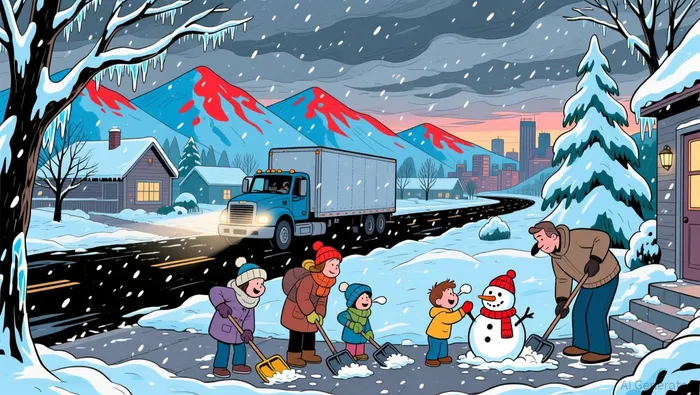
Extreme weather conditions are placing unprecedented strain on the nation's power grids. Electricity demand is surging as homes and businesses increase heating usage, and grid operators are urging utilities to prioritize operational readiness over maintenance. The prolonged storm has also led to travel disruptions and flight cancellations in affected regions, complicating efforts to repair damaged infrastructure.
How Is the Power Grid Being Affected by the Storm?
The coming winter storm is expected to drive electricity demand to historic levels across 13 states served by the nation's largest power grid. Grid operators have warned that the strain on the system could lead to prolonged outages if equipment freezes or fails. The peak power demand could exceed 130,000 megawatts for seven consecutive days, an unprecedented scenario for the grid.
Utilities have taken steps to mitigate the impact of the storm, including investing in grid resilience and trimming trees near power lines. However, the combination of ice accumulation and extreme cold has made it difficult for repair crews to access and restore damaged infrastructure, raising concerns about the duration of outages.
What Measures Are Power Companies Taking to Prepare for Outages?
Power companies across the U.S. are mobilizing crews and equipment to respond to outages as they arise. In Georgia and North Carolina, for example, state governments have declared states of emergency and activated emergency response plans. ExelonEXC--, a major utility provider, has highlighted its $38 billion investment in modernizing and strengthening transmission and distribution systems to enhance grid resilience.
Despite these efforts, the unpredictability of the storm's path makes it challenging to determine which areas will experience the most severe impacts. Grid operators are advising residents to prepare for extended outages by stockpiling essential supplies like food, batteries, and blankets.
In addition, utility companies are urging customers to limit non-essential electricity use during peak demand periods to help reduce strain on the grid. The National Weather Service continues to issue updates and advisories, with wind chills in parts of the Midwest reaching as low as 50 degrees below zero.
What Are the Broader Implications for Energy Infrastructure and Consumers?
The winter storm has exposed vulnerabilities in the U.S. power infrastructure, particularly in regions where electricity is the primary heating source. Prolonged outages can have severe consequences beyond just darkness, including risks to public health and safety. The storm also highlights the need for continued investment in weatherization and grid resilience to better prepare for increasingly frequent extreme weather events.
For consumers, the strain on the grid is likely to result in higher energy costs as utilities invest in emergency repairs and seek to maintain service during the storm. In addition, the reduced time available for routine maintenance and upgrades means that the grid may be less reliable in the future.
As the storm continues to move eastward, the focus remains on minimizing its impact on critical infrastructure and ensuring that essential services remain operational. Grid operators and utility companies are working closely with emergency management officials to coordinate response efforts and restore power as quickly as possible.

Blending traditional trading wisdom with cutting-edge cryptocurrency insights.
Latest Articles
Stay ahead of the market.
Get curated U.S. market news, insights and key dates delivered to your inbox.


AInvest
PRO
AInvest
PRO



Comments
No comments yet