
RAIN Faces Pushback as Colorado River Water Allocation Debate Intensifies
 Aime Summary
The federal proposal to reallocate Colorado River water has sparked widespread criticism, particularly from Arizona stakeholders. - The plan proposes drastic cuts for Lower Basin users while largely sparing Upper Basin states, raising concerns about equity and long-term sustainability. - The final plan, expected later this year, could have significant economic consequences for sectors reliant on water availability.
The Bureau of Reclamation's proposal to manage the Colorado River's declining water supply has drawn significant opposition from stakeholders across the basin. With more than 18,000 comments received, the plan has been criticized for its uneven approach to water reduction mandates, which primarily target Arizona and other Lower Basin states. The criticism stems from the proposal's failure to address long-term conservation strategies and its reliance on emergency measures that disproportionately impact the Lower Basin.
The proposal would impose cuts of up to 58% on Arizona, a state that has already made voluntary water reductions in the past. In contrast, Upper Basin states would largely avoid mandatory cuts, despite carrying their own challenges from declining snowpack and prolonged drought. Critics argue this approach is unsustainable and unfair, emphasizing the need for a more balanced and equitable distribution of responsibility.
The economic implications of the plan could be severe, particularly for industries861072-- such as mining861006-- that depend on reliable water access. Arizona's mining sector, which is vital to the production of copper—a critical material for electricity generation and advanced manufacturing— has raised concerns about potential disruptions caused by water shortages. The final version of the plan, expected later this year, will determine the extent to which these sectors are affected.
What Are the Key Concerns for Investors?
Investors should be aware of the significant economic risks associated with the proposed plan, particularly for industries in the Lower Basin that are heavily reliant on water access. Sectors such as agriculture and mining may face production constraints and operational costs if the plan is implemented as proposed. The uncertainty surrounding water availability could also affect infrastructure investments and long-term planning.
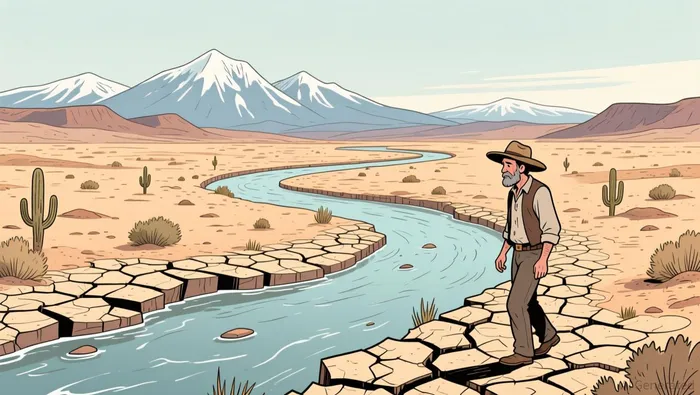
The debate over water rights and allocations has been ongoing for decades, with the Colorado River Compact of 1922 establishing the initial division between the Upper and Lower Basins. However, this agreement may no longer be viable given current environmental conditions and the drastic reduction in available water. Investors should consider how changes in water policy and allocation could impact regional economies and supply chains.
What Are the Policy Implications?
The proposal highlights the growing challenge of managing shared water resources in the face of climate change and prolonged drought. The Bureau of Reclamation's approach has been criticized for prioritizing short-term predictability over long-term sustainability, which could lead to future conflicts among basin states.
The plan's emphasis on mandatory cuts for the Lower Basin raises questions about the future of water governance and the need for more collaborative, basin-wide conservation strategies. If implemented, the plan could set a precedent for future water management decisions, affecting not just Arizona but the entire Colorado River basin.
The final version of the plan, expected later this year, will likely influence water policy for years to come. Investors should monitor developments closely, as changes in water availability and policy could have far-reaching economic consequences, particularly for industries in the affected regions.

Blending traditional trading wisdom with cutting-edge cryptocurrency insights.
Latest Articles
Stay ahead of the market.
Get curated U.S. market news, insights and key dates delivered to your inbox.


AInvest
PRO
AInvest
PRO



Comments
No comments yet