
RAIN Faces Disruptions as U.S. Winter Storm Impacts Infrastructure and Power Supplies
 Aime Summary
- A historic winter storm has caused widespread power outages and disrupted infrastructure across much of the U.S., potentially affecting operations related to RAIN.
- Over 850,000 customers are without electricity, with severe impacts reported in Tennessee, Mississippi, Texas, and Louisiana— key regions for supply chain logistics.
- The storm is expected to cause dangerous travel conditions and infrastructure impacts, which could delay or halt RAIN's physical or digital asset-related services.
The U.S. is currently experiencing one of the worst winter weather events in recent memory, with subzero temperatures, ice accumulation, and heavy snowfall impacting a significant portion of the country. As of Sunday, more than 850,000 customers are without power, with Tennessee alone accounting for over 290,000 affected households. These outages are expected to persist for several days, which could complicate any operations or physical infrastructure involved with RAIN.
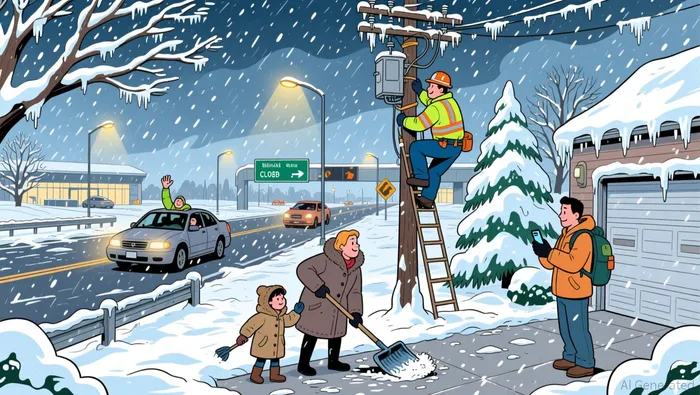
The storm has also led to the cancellation of over 10,000 flights and widespread road closures, further complicating transportation networks. This could indirectly affect RAIN if it relies on logistics, third-party services, or infrastructure that has been impacted by the extreme weather.
What Risks Does the Storm Pose to RAIN?
The current winter storm has caused catastrophic ice accumulation in the Lower Mississippi Valley, Mid-Atlantic, and Southeast, with similar conditions expected to continue through Monday and into the week. These conditions increase the likelihood of prolonged disruptions in power and transportation, which could affect RAIN’s operations or related services if they are location-sensitive.
For RAIN, this could mean higher operational costs, delays in execution, or reduced availability of physical infrastructure that relies on stable energy grids or transportation networks. Additionally, if RAIN has any physical assets or infrastructure in the affected regions, those could be at risk of damage or inaccessibility due to the weather.
What Could This Mean for Investors?
Investors should monitor how the weather impacts the broader economic environment, particularly in the Southeast and Mid-Atlantic, as these are major economic hubs. Disruptions in power and transport could ripple through industries that RAIN supports or interacts with, such as energy, logistics, and real estate.
The winter storm also highlights the vulnerability of existing infrastructure to extreme weather, a growing concern in the U.S. as climate change increases the frequency and intensity of such events. For RAIN, this raises broader questions about its resilience to similar events in the future, especially if it operates in sectors that are weather-sensitive.
The Federal Emergency Management Agency (FEMA) has already taken steps to prepare for the storm’s effects, including positioning staff and supplies in affected areas. While this helps mitigate some of the storm's impacts, it also underscores the severity of the event and the long-term infrastructure challenges it exposes.
Investors should be prepared for potential short-term volatility related to RAIN’s operations, logistics, or any physical infrastructure it may manage or rely on. Longer-term, the event may prompt questions about RAIN’s ability to adapt to a climate where extreme weather is becoming increasingly common.

Blending traditional trading wisdom with cutting-edge cryptocurrency insights.
Latest Articles
Stay ahead of the market.
Get curated U.S. market news, insights and key dates delivered to your inbox.


AInvest
PRO
AInvest
PRO



Comments
No comments yet