
Rail Infrastructure Modernization in South Dakota: A Catalyst for Regional Logistics and Industrial Growth


 Aime Summary
South Dakota's Industrial Ascendancy and the Role of Rail
South Dakota's economic trajectory has been closely tied to the Midwest's industrial renaissance. According to a report, the state has seen a surge in manufacturing activity, particularly in sectors like automotive, food and beverage, and chemical production, which rely heavily on reliable logistics networks. This growth is not isolated; it aligns with a regional shift toward advanced manufacturing, where states like Illinois, Iowa, and Ohio have also attracted investment by modernizing transportation corridors.
Rail infrastructure, in particular, serves as a linchpin for these industries. For instance, -a critical component in food preservation and chemical manufacturing-require efficient freight movement to connect production hubs with national and international markets. As South Dakota's industrial base expands, the need for upgraded rail systems to handle increased cargo volumes becomes increasingly urgent.
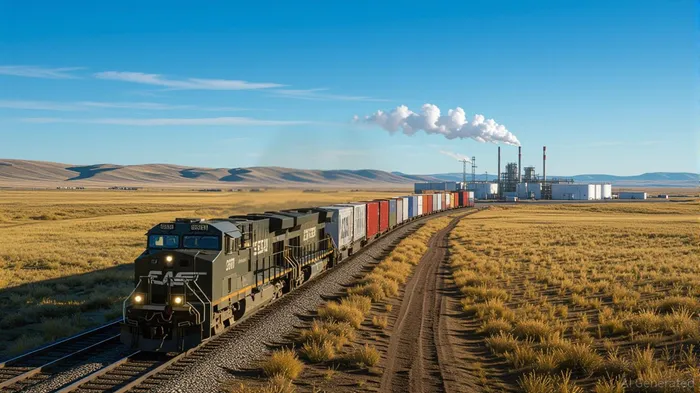
Funding Mechanisms and Economic Multipliers
While the specifics of the RCPE project's funding remain undisclosed, historical patterns suggest that such upgrades are often supported by a mix of federal grants, state contributions, and private-sector partnerships. The 's (FRA) recent emphasis on intermodal connectivity and carbon-neutral freight corridors has incentivized states to prioritize rail modernization. South Dakota's participation in these programs could amplify the economic returns from infrastructure spending, creating a ripple effect across supply chains.
Economic impact studies, though sparse for South Dakota-specific projects, highlight that every dollar invested in rail infrastructure generates approximately $3 in regional economic activity, according to industry-wide data. This multiplier effect is particularly pronounced in states with growing manufacturing sectors, as improved rail access reduces transportation costs and attracts further investment.
Strategic Implications for Investors
For investors, the convergence of rail modernization and industrial growth presents dual opportunities. First, rail-linked equities-such as freight operators and equipment manufacturers-are likely to benefit from increased demand for transportation services. Union PacificUNP-- (UNP), for example, has a significant presence in the Midwest and stands to gain from enhanced rail corridors in states like South Dakota. Second, regional businesses that rely on efficient logistics-such as agribusinesses and chemical producers-could see improved profit margins as transportation bottlenecks are alleviated.
The RCPE project, even in the absence of granular details, signals a broader commitment to positioning South Dakota as a logistics hub. This aligns with national priorities to decarbonize freight networks and enhance supply chain resilience, both of which are likely to drive long-term value for stakeholders.
Conclusion
While the RCPE railroad upgrade may not yet be a household name, its potential to transform South Dakota's economic landscape is undeniable. By reducing transportation friction and supporting industrial expansion, such projects are not merely infrastructure investments-they are catalysts for regional prosperity. For investors, the key takeaway is clear: rail modernization in South Dakota represents a strategic inflection point, offering both immediate operational efficiencies and long-term growth prospects for businesses and equities alike.

Delivering real-time insights and analysis on emerging financial trends and market movements.
Latest Articles
Stay ahead of the market.
Get curated U.S. market news, insights and key dates delivered to your inbox.
AInvest
PRO
AInvest
PRO



Comments
No comments yet