
Radioactive Shrimp Recall Expands: What Investors Should Know About the Latest FDA Action


 Aime Summary
A recent FDA-ordered recall of frozen shrimp has sent ripples through the seafood and grocery sectors. This latest action, announced in late December 2025, adds to a growing concern over radioactive contamination in imported seafood — and highlights vulnerabilities in global food supply chains. According to the FDA, this event raises important questions about regulatory enforcement, retailer liability, and the broader risks of sourcing products internationally.
What’s in the Recall?
The FDA has expanded a recall of approximately 83,800 bags of frozen raw shrimp due to potential contamination with cesium-137 (Cs-137), a radioactive isotope that can pose long-term health risks if consumed over time. The affected products were imported from Indonesia and sold under the Market 32 and Waterfront Bistro brands at major retailers such as Price Chopper, AlbertsonsACI--, and Safeway. These include 1-lb and 2-lb bags of 26-30 count easy peel shrimp, with best-by dates ranging from April 22, 2027, through April 27, 2027. The UPC code for the specific product is 4173501358.
Retailers are being asked to remove the recalled items from store shelves and online listings, and consumers are advised to either return the product for a refund or dispose of it. According to the FDA, no illnesses have been reported so far, and the FDA has stated that no contaminated shrimp has entered the U.S. marketplace, despite the processing concerns.
Tracing the Problem: A Pattern of Concerns
The contamination appears to stem from the Indonesian supplier PT. Bahari Makmur Sejati (BMS Foods), a company that has previously been linked to similar issues. The radioactive cesium-137 was traced to airborne dust from a nearby steel plant in Cikande, Indonesia. The FDA has added BMS Foods to its Import Alert 99-51 list, effectively banning its shipments into the United States. According to food safety analysis, the company was previously the focus of a recall in August 2025, which impacted over 83,800 bags of shrimp sold by major retailers including WalmartWMT-- and KrogerKR--. In that case, the detected cesium levels (68.48 Bq/kg) were below the FDA’s intervention threshold of 1,200 Bq/kg, but the issue raised enough concern to trigger recalls and investigations.
The repeated issues with this supplier highlight the fragility of global seafood supply chains. Shrimp imports from Indonesia and other countries often rely on complex processing and packaging networks — and when a single point of failure occurs, the consequences can spread quickly across retailers and regions.
Investor Implications: What’s at Stake?
This recall has implications for several sectors. Retailers carrying the affected products — such as Albertsons, Safeway, and Price Chopper — face logistical and reputational risks. While no illnesses have been reported, the recall could erode consumer confidence in their seafood offerings and trigger calls for tighter internal safety protocols. Additionally, the incident could increase scrutiny from regulators and lawmakers, particularly in light of the FDA’s ongoing investigations into the contamination source and supplier practices.
On the production and import side, companies sourcing from Indonesia or similar high-risk regions may need to reassess their supplier due diligence processes. For example, the Indonesian government has already taken steps to restrict metal scrap imports following this incident, which could impact local industries and indirectly affect export quality controls. Investors in seafood importers, grocers, and even insurers covering food safety liability should monitor how this situation evolves.
Looking Ahead: Lessons from Past Recalls
This isn’t the first time the U.S. market has grappled with radioactive contamination in imported seafood. In 2011, for instance, concerns over cesium contamination from the Fukushima nuclear disaster led to extensive import restrictions in the U.S. and Europe. While the levels in this latest incident are much lower than those seen after Fukushima, the fact that similar contamination could emerge from industrial sources (like steel mills) adds a new layer of complexity to food safety assessments.
Experts have called for stricter testing protocols, especially for imported foods that might be exposed to industrial materials. 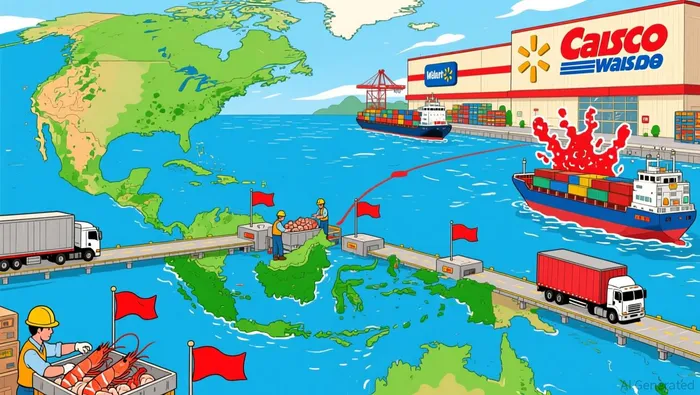 The FDA’s current approach relies largely on random sampling, which may not be sufficient to catch all potential issues. Some analysts are already pushing for enhanced traceability and real-time monitoring systems in the seafood supply chain — features that could become more critical in the wake of this incident.
For now, the recall serves as a reminder that even seemingly routine products like frozen shrimp can carry hidden risks. While the immediate health threat appears low, the broader implications for regulatory oversight, supply chain resilience, and consumer trust are clear. Investors who understand these dynamics may be better positioned to assess the potential impacts on companies operating in this space — and to anticipate what comes next in a rapidly evolving market.

Delivering real-time insights and analysis on emerging financial trends and market movements.
Latest Articles
Stay ahead of the market.
Get curated U.S. market news, insights and key dates delivered to your inbox.
AInvest
PRO
AInvest
PRO



Comments
No comments yet