
From Quiet Cut to Loud Signals: The Real Story Is What Comes Next
The latest FOMC meeting looked boring on the surface: the Fed delivered a widely expected rate cut, with Powell's press conference calm, even affable. But under the hood, this was one of the more revealing meetings in years.
This wasn't your typical unanimous Fed decision. Three officials dissented: Chicago's Austan Goolsbee and Kansas City's Jeff Schmid opposed the cut entirely, while Stephen Miran pushed for a more aggressive 50 basis point reduction. The Summary of Economic Projections showed six of nineteen officials saw no need to cut at all.
Chair Powell handled the press conference with notable ease engaged, even cheerful at times. When pressed about January's meeting, he offered a diplomatic shrug: "We're well positioned to make a decision." Translation: don't expect clarity anytime soon.
The median projection for 2026 rates held steady, suggesting the committee sees the current easing cycle as measured rather than aggressive. Bonds finished flat, reflecting Powell's careful ambivalence rather than any hawkish pivot.
The Quiet Return of Reserve Purchases
Buried in the announcement was something worth watching: the Fed will begin "reserve management purchases" this week, starting with $40 billion monthly in Treasury bills.
Veteran bond investor Jeffrey Gundlach raised an eyebrow at this development. Buying T-bills sits uncomfortably close to quantitative easing territory, and the jump from bills to notes and bonds is a short one. Call it what you will, but another Fed backstop may be taking shape a put option wearing different clothes.
This move steepens the yield curve, which means longer-term rates rise relative to short-term rates. For investors, a steeper curve historically favors banks, value stocks, and commodities while creating headwinds for growth-oriented names that thrived in the flat-curve environment.
Currency Markets Told the Real Story
While equities offered a polite rally and bonds yawned, the foreign exchange market delivered the session's genuine fireworks.
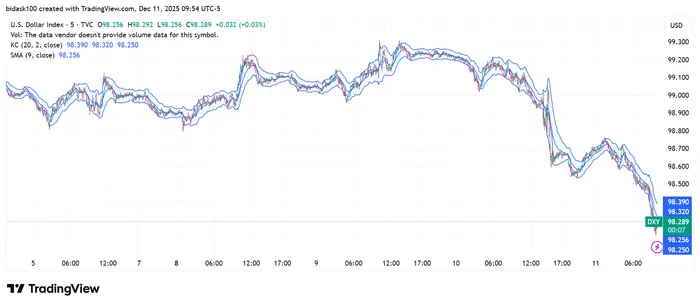
The dollar dropped hard on the announcement and kept falling through Powell's remarks. The Japanese yen strengthened. The euro had already begun moving hours earlier, after ECB President Christine Lagarde struck an unexpectedly optimistic tone on European growth possibly signaling reluctance toward further cuts.
Precious metals caught a bid too. Gold rallied while silver pushed to fresh all-time highs. The pattern was clear: a steeper curve plus weaker dollar equals renewed interest in hard assets. Stocks and Bitcoin bounced, but the reaction was surprisingly muted given this was the third consecutive cut. Both faded off their highs.
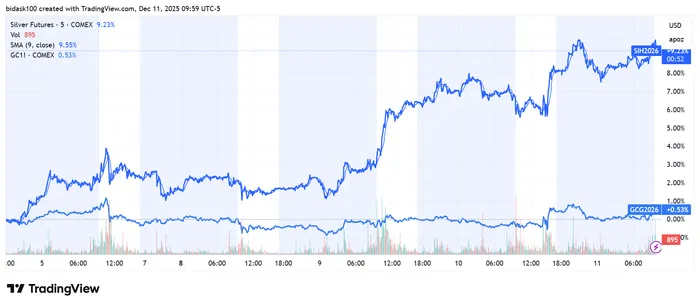
The takeaway: FX and precious metals, not equities, were the cleanest expression of the shift. A weaker dollar plus a Fed that's inching toward QE-lite is exactly the kind of backdrop that can put a bid under hard assets.
The Bigger Picture: Cash Is Crowded, and the Curve Is Turning
One quietly important dynamic: roughly a quarter of all assets are still parked in cash or cash-like vehicles. That made sense in a world of high front-end yields and uncertainty.
But a divided Fed, ongoing cuts, and T-bill purchases are the kind of slow-burn catalysts that:
Encourage steeper curves and a weaker dollar.
Push investors to rotate out of idle cash and into duration, risk assets, or real assets.
Shape January and Q1 allocation decisions, not just this week's trading flows.
If the bond market starts to believe that a more dovish Fed chair is coming in June under the new administration, markets will price that future early: more curve steepening, more focus on the dollar's downside, and continued interest in hedges like gold and silver.
The January Wildcard Nobody's Discussing
Beneath the surface calm lies a potentially volatile setup.
The Bank of Japan is expected to hike rates by 25 basis points next week. This matters because the yen carry trade, where investors borrow cheaply in yen to fund purchases elsewhere nearly triggered a global equity meltdown in August 2024 when it began unwinding. The trade remains substantial, and a hawkish BOJ combined with a weakening dollar could reignite those pressures.
What This Means for Investors
Fed policy is no longer a simple "cut = stocks up" story. The split inside the committee, plus reserve purchases, is a structural signal, not just a one-day headline.
Precious metals and FX are where the market is speaking loudest. Silver and gold aren't just shiny objects; they're the cleanest expression of the new regime shift investors are betting on.
This isn't a call to go all-in on any one trade. It's a reminder that the "boring" Fed meeting just quietly reset the macro chessboard and the next moves will likely be made in the dollar, the long end of the curve, and the metals complex long before they fully show up in equity index headlines.

Senior strategist with 20+ years experience delivering data-driven research, ETF and stock analysis, and practical investment ideas.
Latest Articles
Stay ahead of the market.
Get curated U.S. market news, insights and key dates delivered to your inbox.


AInvest
PRO
AInvest
PRO



Comments
No comments yet