
Queens on the Move: How the MTA's Bus Overhaul Could Reshape Urban Equity and Real Estate
The MTA's Queens Bus Network Redesign, set to launch in two phases this summer, is more than a transit upgrade—it's a socioeconomic experiment. By reimagining bus routes, frequencies, and infrastructure, the MTA aims to boost efficiency, reduce travel times, and address long-standing equity gaps. But the stakes extend far beyond commuting: this overhaul could catalyze real estate shifts, economic opportunities, and displacement pressures in a borough already grappling with rapid gentrification.
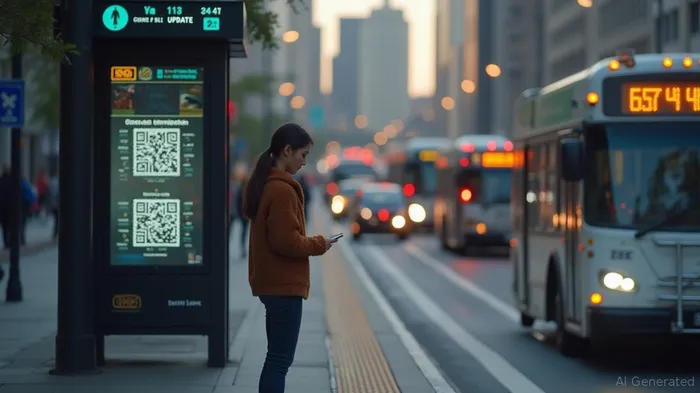
The Infrastructure Overhaul: Speed, Reliability, and Equity
The redesign's core promise is efficiency. By simplifying routes, spacing stops more evenly, and adding “Rush routes” to subway hubs, the MTA expects to cut travel times by up to 20%. Over 60% of Queens residents rely on buses, making this a lifeline for low-income workers, seniors, and families. The Equity Evaluation in the project's final plan emphasizes this, targeting improved service in neighborhoods like Corona, Elmhurst, and Jamaica, where bus dependency is highest.
Yet the redesign isn't just about buses. It's a test of whether infrastructure can be a tool for equity. The MTA has committed to zero-emission buses by 2040, with $1.1 billion allocated for charging infrastructure. This aligns with broader climate goals but also signals a shift toward greener, more inclusive transit—a trend investors should watch closely.
The Real Estate Ripple Effect
The interplay between transit and real estate is well-documented. . The Queens redesign could trigger similar dynamics, particularly in underserved corridors now slated for frequent service. Areas like South Jamaica, which gained an E train stop in the 1980s and saw a 35% rent spike in its wake, offer a preview of what's to come.
However, the risks are stark. The Urban Displacement Project warns that transit improvements often precede gentrification. In Jamaica, rising rents (now averaging $2,000/month for 1-2 bedroom apartments) and the influx of corporate chains like Starbucks have already displaced longtime residents. The MTA's focus on equity may slow this—its “All-Day Frequent Network” prioritizes 15-minute service in low-income zones—but developers will still eye transit hubs.
Investment Opportunities—and Pitfalls
For investors, the Queens redesign presents a dual-edged opportunity:
Transit-Rich Neighborhoods: Areas like Astoria and Long Island City, already gentrified, may see marginal gains. But the real action could be in corridors like the Jamaica-Aviation Blvd corridor, where the redesign adds overnight service and reduces travel times to JFK Airport. .
Affordable Housing Plays: The MTA's Equity Evaluation requires transit agencies to collaborate with housing advocates, but New York's inclusionary zoning rules remain flawed. Investors might look to funds like the Queens Affordable Housing Trust or companies like Enterprise Community Partners, which specialize in preserving low-income housing amid rising demand.
Tech-Driven Logistics: The MTA's push for real-time tracking via the MTA app and BusTime creates opportunities for tech firms specializing in transit analytics. Companies like Remix, whose software shaped the redesign's routing decisions, could see demand for similar projects in other cities.
The Equity Tipping Point
The redesign's success hinges on whether equity isn't just a buzzword. The MTA's “Balanced Stop Spacing” may save time but could also erase “informal” stops relied on by elderly or disabled riders. Meanwhile, landlords like Zara Realty—leveraging $173M in loans to redevelop Queens properties—threaten to displace tenants via Major Capital Improvements (MCIs), which allow permanent rent hikes.
Investors must ask: Are transit upgrades a net positive for marginalized communities, or a catalyst for displacement? The answer lies in policy execution. New York's $20B Housing New York 2.0 initiative aims to build 300,000 affordable units, but only 10% are complete. Without parallel investments in anti-displacement measures, transit improvements may only accelerate inequality.
Conclusion: A Blueprint for Balanced Growth
The Queens Bus Redesign is a microcosm of urban challenges: how to modernize infrastructure without pricing out those who need it most. For investors, the lesson is clear: prioritize projects that blend transit efficiency with housing stability. Back companies and funds that address both ends of the spectrum—whether through green transit tech or affordable housing preservation.
Queens' future won't be decided by buses alone. It'll depend on whether the systems we build also build equity into the blueprint.

Delivering real-time insights and analysis on emerging financial trends and market movements.
Latest Articles
Stay ahead of the market.
Get curated U.S. market news, insights and key dates delivered to your inbox.


AInvest
PRO
AInvest
PRO



Comments
No comments yet