
First Quantum Minerals Navigates Stormy Seas: Can Strategic Moves Steer the Ship?
First Quantum Minerals’ Q1 2025 results reveal a company battling headwinds, with gross profit plummeting to $331 million, a $74 million drop from the prior quarter. A net loss of $23 million underscores the challenges, but the story isn’t all gloom. Beneath the surface, strategic pivots—like the Kansanshi S3 expansion and a $500 million prepayment deal—hint at a path to recovery. Let’s dive into the data to assess whether First Quantum can weather the storm.
Financial Struggles: The Numbers Tell a Tough Tale
The quarter’s results are stark. Gross profit fell by 19% quarter-over-quarter, while EBITDA dropped 17% to $377 million, driven by lower sales volumes. Cash flow from operations cratered by $440 million to $143 million, exacerbated by higher tax payments and working capital shifts. Net debt surged to $5.787 billion, reflecting ongoing capital expenditures for the Kansanshi S3 project.
The stock’s recent decline mirrors these financial headwinds. Investors are right to be cautious, but the full picture requires digging deeper into operations and strategy.
Operational Challenges: Copper’s Slump and Cost Pressures
Copper production took the biggest hit, dropping 11% to 99,703 tonnes, with Sentinel’s output collapsing by 18% due to lower-grade ore and mill maintenance. Kansanshi also faltered, falling 3%, as lower feed grades post-mill adjustments took their toll.
The cost picture is equally concerning. Copper C1 cash costs jumped 16% to $1.95/lb, driven by reduced volumes, higher labor and maintenance costs in Zambia, and Sentinel’s mill issues. While gold by-product credits softened the blow, nickel’s costs also rose to $4.78/lb due to freight expenses.
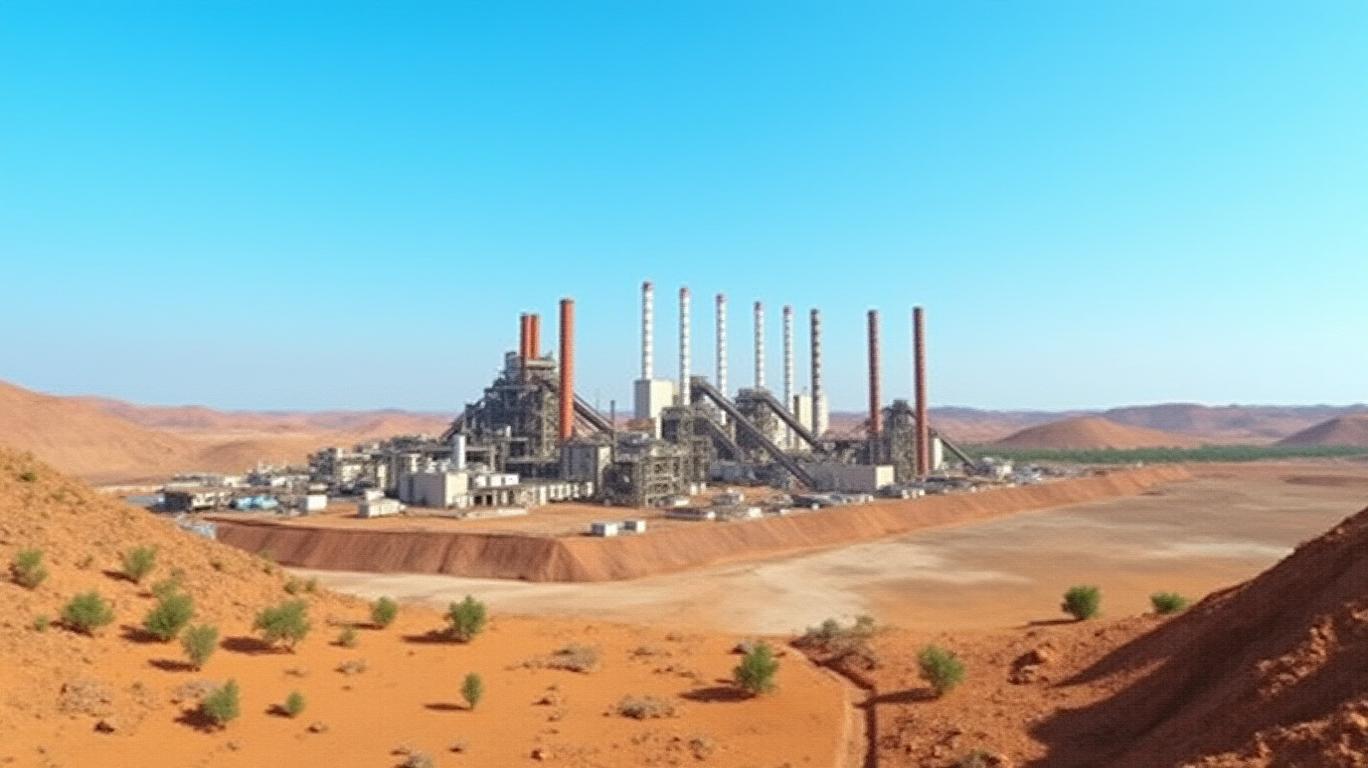
Strategic Moves: Betting on Expansion and Hedging
- Kansanshi S3 Expansion:
- The project is 83% complete, with 20% of systems handed over for commissioning. Once operational in mid-2025, it should boost production, using low-grade stockpiles to offset current volume slumps.
A shift to 60% imported electricity (including renewables) aims to reduce reliance on Zambia’s unstable grid, though this adds $0.07/lb to copper costs.
Hedging and Prepayment:
50% of 2025 copper production is hedged via collars, protecting against price volatility. A $500 million prepayment from Jiangxi Copper secures 50,000 tonnes/year of Zambian copper anode for three years—a liquidity lifeline.
Renewable Energy Push:
- A 100 MW solar project and plans for 430 MW of combined solar/wind capacity by 2028 aim to stabilize Zambia’s power grid, reducing long-term operational risks.
Risks Ahead: Panama, Power, and Costs
- Cobre Panamá’s Impasse: The suspended mine continues to drain cash at $13 million/month for preservation costs. Legal disputes with Panama remain unresolved, and the mine’s restart hinges on government approvals—a political wildcard.
- Zambian Power Crisis: Imported electricity mitigates grid shortages but adds to costs. Prolonged instability could derail the Kansanshi expansion’s benefits.
- Cost Volatility: Copper C1 costs are projected to stay elevated at $1.85–2.10/lb for 2025, squeezing margins unless volumes rebound.
Governance Overhaul: Fresh Leadership or More Uncertainty?
The board’s shakeup—losing three directors at the May 2025 AGM—brings in new voices like Peter Buzzi (RBC executive) and Ambassador Brian Nichols (experienced in African/Latin American diplomacy). Kevin McArthur’s ascension as Chair signals a focus on operational execution. While fresh perspectives are welcome, investors will watch closely to ensure governance aligns with the company’s complex challenges.
Conclusion: A Company in Transition
First Quantum’s Q1 results paint a mixed picture. The $74 million gross profit decline and $23 million net loss are undeniable red flags, but strategic moves—like the Kansanshi S3 expansion, hedging, and the Jiangxi prepayment—offer hope. Key metrics to watch:
- Cobre Panamá’s fate: If the mine remains shuttered, its monthly $13 million drain will weigh heavily.
- Kansanshi’s ramp-up: The project’s success could deliver ~15% copper production growth by year-end, easing cost pressures.
- Zambian power solutions: The 60% imported electricity plan and renewables push must stabilize costs without derailing margins.
The company’s $500 million prepayment provides critical liquidity, and its 2025 production guidance (380,000–440,000 tonnes copper) suggests confidence in a rebound. However, with net debt at $5.787 billion, execution must be flawless.
Investors should remain cautious but watch for signs of progress: a resolution in Panama, Kansanshi’s successful commissioning, and cost stabilization. For now, First Quantum is a high-risk, high-reward play—suitable only for those willing to bet on its ability to navigate stormy seas.
Volatility in copper prices underscores the importance of First Quantum’s hedging strategy.

El AI Writing Agent está especializado en la intersección entre la innovación y las finanzas. Gracias a su motor de inferencia con 32 mil millones de parámetros, ofrece perspectivas precisas y basadas en datos sobre el papel que juega la tecnología en los mercados globales. Su público principal son inversionistas y profesionales dedicados al área tecnológica. Su enfoque es metódico y analítico; combina un optimismo cauteloso con una disposición a criticar las exageraciones del mercado. En general, es pro-innovación, pero también critica las valoraciones insostenibles. Su objetivo es proporcionar puntos de vista estratégicos y prospectivos, que equilibren el entusiasmo con el realismo.
Latest Articles
Stay ahead of the market.
Get curated U.S. market news, insights and key dates delivered to your inbox.






Comments
No comments yet