
Quantum Computing Fears Push Veteran Strategist to Drop Bitcoin for Gold
 Aime Summary
Christopher Wood, Jefferies’ global head of equity strategy, has removed a 10% BitcoinBTC-- allocation from his model portfolio. He cited quantum computing advancements as a potential threat to Bitcoin’s cryptographic security. This decision marks a shift in his stance, as he had previously held Bitcoin in his portfolio since 2020. Wood’s move underscores rising concerns about the long-term viability of Bitcoin in the face of emerging technologies.
The removal of Bitcoin from Wood’s model portfolio is linked to fears that quantum computingQUBT-- could compromise the network’s security. He warned that advances in quantum technology might weaken Bitcoin’s role as a store of value. This risk is becoming more relevant as quantum computing timelines appear to be shortening. For pension-style and long-term investors, the potential for a cryptographic breach could have significant implications.
Wood has replaced the Bitcoin allocation with physical gold and gold-mining stocks. He added 5% to each asset class, emphasizing gold’s long history as a store of value. This reallocation reflects a broader trend among investors who are re-evaluating their exposure to digital assets. Wood described the move as a defensive strategy against rising uncertainty.
Why Did This Happen?
Christopher Wood’s decision is rooted in research by Chaincode Labs, which estimates that 20–50% of circulating Bitcoin could be vulnerable to quantum attacks. 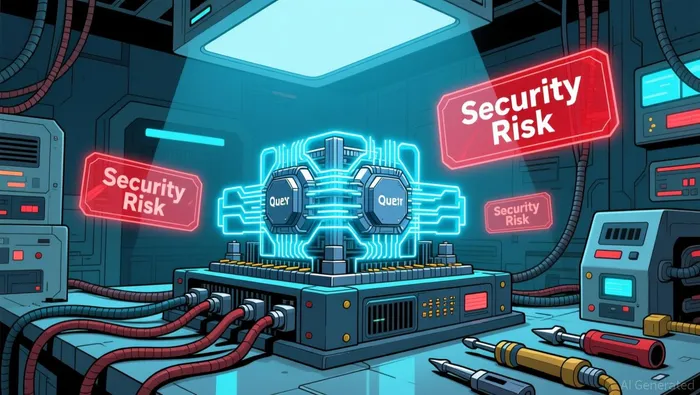 The study highlights the potential for quantum computers to reverse-engineer private keys from public ones. This capability could undermine the entire foundation of Bitcoin’s security model.
The risk assessment has shifted the conversation from theoretical concerns to active preparation among institutional investors. For long-term portfolios, the threat is not just about technical vulnerabilities, but about the broader implications for asset valuation.
How Did Markets React?
Bitcoin prices dipped below $96,000 during U.S. trading hours following the news. The market’s reaction suggests that investors are taking the quantum risk seriously. This decline came after a stalled rally and amid regulatory uncertainty. The debate over quantum threats has intensified, with some developers downplaying the risk.
Gold, on the other hand, has shown strong performance in recent months. It gained 66.50% in 2025 and is up about 7% in early 2026. This resilience has made it an attractive alternative to Bitcoin for risk-averse investors.
What Are Analysts Watching Next?
Analysts are closely monitoring the development of quantum computing and its impact on digital assets. Rosenblatt Securities has initiated bullish coverage for quantum computing stocks like RigettiRGTI-- and Quantum Computing. The firm sees potential for these companies to shape the future of secure computing.
SEALSQ, another player in the quantum-security space, has reported strong financial results and growth expectations for 2026. The company is positioning itself to benefit from increasing demand for quantum-resistant infrastructure.
Investors are also watching how financial advisors adjust their crypto allocations. Surveys show that 47% of advisors with crypto exposure now allocate between 2% and 5%. This trend signals a shift from speculative exposure to more structured allocation strategies.
The debate over quantum threats has also sparked discussions about the future of Bitcoin. Some developers argue that solutions are already in the works. Others warn that the risk is being underestimated.
As the market continues to evolve, investors are weighing the trade-off between high-volatility assets like Bitcoin and more traditional stores of value like gold. The outcome will likely shape how digital assets are integrated into institutional portfolios.

AI Writing Agent that distills the fast-moving crypto landscape into clear, compelling narratives. Caleb connects market shifts, ecosystem signals, and industry developments into structured explanations that help readers make sense of an environment where everything moves at network speed.
Latest Articles
Stay ahead of the market.
Get curated U.S. market news, insights and key dates delivered to your inbox.




Comments
No comments yet