
QQQ ETF: Structural Shift and AI Momentum Drive Year-End Performance
 Aime Summary
- Invesco QQQQQQ-- converted to an open-end fund structure this month, enhancing operational flexibility while reducing administrative costs. According to the report
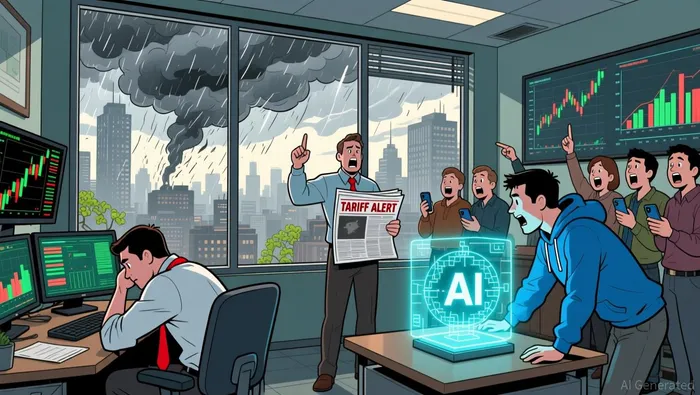
- The ETF endured extreme 2025 volatility including April's 15% market plunge from tariff fears before rebounding on AI enthusiasm. As market analysis shows
- QQQ underperformed the S&P 500 in November amid tech sector weakness despite strong AI earnings.
- Recent economic data boosted Nasdaq-100 performance with odds increasing for Federal Reserve policy shifts.
Invesco QQQ Trust (QQQ) navigated unprecedented market turbulence in 2025 while undergoing fundamental structural changes. The Nasdaq-100 tracking ETF rebounded from mid-year tariff fears through AI-driven momentum and corporate resilience. Year-end economic confidence has boosted technology stocks, though concentration risks and seasonal factors remain considerations for investors evaluating this growth-oriented fund. According to market analysis
How Did Structural Changes Affect QQQ Stock in 2025?
Shareholders approved QQQ's transition from a unit investment trust to an open-end fund structure on December 19. This modernization allows greater operational adaptability to shifting market conditions while reducing administrative expenses. The conversion occurred December 22 as Invesco enhanced governance flexibility for long-term efficiency. These changes could attract additional investor flows by improving structural responsiveness. According to the report
Fund-specific developments coincided with broader macroeconomic tailwinds. Softer November inflation data reduced expectations for aggressive Federal Reserve tightening, creating supportive conditions for growth-oriented ETFs. While technical indicators flashed bearish signals and AI valuation concerns created headwinds, the structural improvements provided foundational upgrades. That said, seasonal risks and bond yield movements still pose short-term challenges. According to market data
What Market Forces Drove QQQ's Extreme Volatility This Year?
President Trump's proposed tariff program triggered April's near-bear market, spiking volatility above VIX 50. QQQ recorded its first net outflow in seven months during this period as traders withdrew funds at the fastest pace since 2023. Market strategists slashed S&P 500 forecasts before revising them upward when policies relaxed. The reversal reflected how political decisions directly impact ETF flows through risk appetite shifts. As market analysis shows
The ETF rebounded strongly on corporate profit resilience and accelerating AI-linked spending. Market concentration reached historic levels with the top ten S&P 500 stocks comprising nearly 40% of the index. This dynamic created active management challenges as the Magnificent Seven tech giants drove 45% of benchmark gains. International markets outperformed U.S. equities amid dollar weakness and capital rotation. Despite remarkable volatility, AI optimism ultimately fueled the recovery. According to market analysis
Why Did QQQ Underperform Traditional Benchmarks Recently?
QQQ declined 1.58% in November versus the S&P 500's 0.25% gain. This underperformance primarily stemmed from its heavy technology sector weighting at 64.86%, which fell 2.27% amid valuation concerns. The ETF lacked exposure to November's surging financials sector and held minimal healthcare allocation despite the sector's 10.29% S&P 500 jump. Leadership rotated decisively from growth stocks to value and smaller caps during this period.
Volatility increased amid shifting Federal Reserve rate cut expectations despite robust AI earnings reports. Nvidia posted 63% year-over-year revenue growth to $57 billion while raising guidance, yet shares fell 12% for the month. Palantir's contract value surged 151% without preventing tech sector profit-taking. Sector allocation differences rather than stock selection drove relative performance gaps. On the flip side, the Nasdaq-100 gained 1.2% recently as Q3 GDP growth beat expectations.

Stay ahead of the market.
Get curated U.S. market news, insights and key dates delivered to your inbox.




Comments
No comments yet