
QE Index Plummets 3.2% Amid Geopolitical Tensions, Banking Sector Woes
The Qatar Exchange Index (QE Index) experienced a notable decline, falling by 3.2% on the second consecutive day. This drop amounted to 339.58 points, bringing the index to 10,286.92 points. This was the largest single-day decline since April 6, when the index fell by 4.2%.
Qatar National BankNBHC--, one of the largest financial institutionsFISI-- in the region, led the downturn with its stock price decreasing by 4.2%. Additionally, Ezdhan Holding Group saw the largest decline among individual stocks, with a drop of 6.7%. All 20 component stocks of the index experienced declines, highlighting the widespread nature of the market downturn.
The decline in the QE Index can be attributed to several factors, including broader market sentiment influenced by geopolitical tensions and economic uncertainties. The recent escalation of conflicts in the Middle East has created an atmosphere of instability, negatively impacting investor confidence. Furthermore, the global economic outlook remains uncertain, with concerns over inflation and interest rate hikes in major economies adding to the market's volatility.
Qatar National Bank's significant decline reflects broader concerns about the banking sector's performance and the potential impact of economic headwinds on financial institutions. The bank's stock price drop of 4.2% indicates that investors are cautious about the sector's prospects, given the current economic environment. This caution is further underscored by the fact that the index has only experienced a similar or larger decline once in the past year, despite a 0.5% increase for the quarter.
The decline in the QE Index also highlights the vulnerability of the region's markets to external shocks. The interconnected nature of global financial markets means that events in one part of the world can have ripple effects elsewhere. The recent downturn in the QE Index serves as a reminder of the need for robust risk management strategies and diversified investment portfolios to mitigate the impact of such shocks.
In summary, the 3.2% decline in the QE Index, led by Qatar National Bank, reflects broader market concerns about geopolitical tensions, economic uncertainties, and the performance of the banking sector. The downturn underscores the importance of prudent investment strategies and the need for resilience in the face of global economic challenges. The index's performance this week, with a 3.2% decline, may set a new record for the largest single-week drop since October 26. Over the past 52 weeks, the QE Index has risen by 6.4%, while the MSCI Emerging Markets Europe, Middle East and Africa Index has seen a 14% increase during the same period. 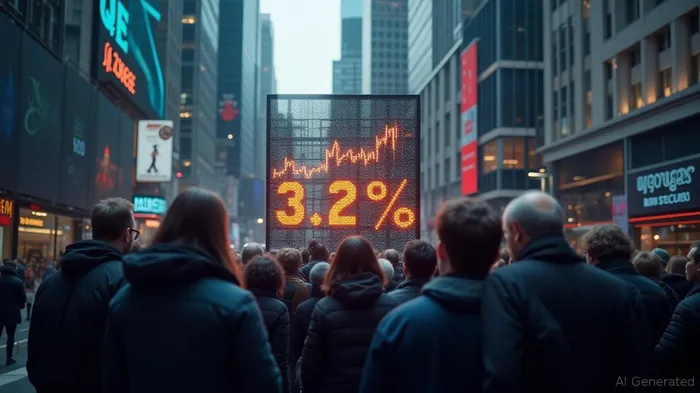

Stay ahead of the market.
Get curated U.S. market news, insights and key dates delivered to your inbox.


AInvest
PRO
AInvest
PRO



Comments
No comments yet