
Qatar's Ras Laffan LNG Shutdown Creates Short-Term Supply Squeeze, Rerouting Can't Fully Compensate


 Aime Summary
The physical impact of the Middle East energy crisis is now clear, but its scale is more targeted than global. The disruptions are significant, yet they are geographically concentrated, creating specific bottlenecks rather than a systemic shortage that would ripple across all markets.
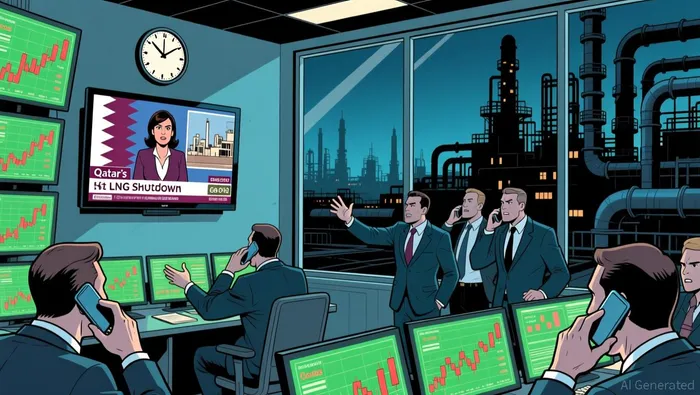
The largest single loss is in liquefied natural gas. Qatar, the world's top LNG exporter, has fully shut down its main gas liquefaction plant at Ras Laffan. This halt removes roughly 81 million metric tonnes of annual LNG supply. The company has declared force majeure on exports, and initial estimates suggest it will be at least two weeks before operations can restart, with a further two weeks needed to reach full capacity. That means the full return of this critical export capacity is not expected for at least a month.
On the oil side, the damage is focused on refining and export infrastructure. Saudi Arabia's largest refinery, the 550,000 barrel-per-day Ras Tanura plant, was forced to shut down after a drone strike in early March. The attack caused only limited damage, but Aramco halted operations as a precaution. This facility is a key supplier of diesel and other transport fuels, and its closure sent gasoil futures soaring. The refinery's shutdown also forced a rerouting of some Saudi oil product exports to the Red Sea.
Compounding the pressure, retaliatory strikes have also hit other regional producers. Most oil production in Iraqi Kurdistan has been shut down as a precaution, halting exports that reached 200,000 barrels per day in February. This adds another layer of localized supply loss.
Together, these events represent a meaningful contraction in Middle Eastern output. The combined loss of Qatar's LNG, Saudi refining capacity, and Iraqi Kurdistan production creates tangible supply constraints. Yet, because these are discrete incidents at specific facilities rather than a broad, coordinated shutdown of the region's vast reserves, the disruption manifests as sharp, localized bottlenecks in LNG and refined products, not a wholesale global shortage.
Market Response: Price Volatility and Inventory Buffers
The market's initial reaction to the Middle East energy crisis was one of sharp volatility, but the subsequent price action reveals a story of constrained supply and built-in resilience. The events triggered immediate, violent spikes in energy prices, underscoring the region's critical role in global flows. However, the fact that these spikes did not hold or escalate further suggests that inventory buffers and the potential for rerouting are already dampening the most severe outcomes.
Oil prices saw the most dramatic intraday move. On Monday, Brent crude futures struck a high of $82.37 a barrel, a surge of over 8% that marked the highest level in months. This spike was driven by the escalating conflict, including the drone strike on Saudi Arabia's Ras Tanura refinery and the broader regional instability. Yet, the market's reaction was more muted than many analysts had anticipated. Prices settled lower, around $79, and the overall increase for the day was less than the 13% jump seen at the opening. As one expert noted, at this point we're still talking about oil prices that are well within historical norms-a key signal that the market is skeptical about the duration and systemic impact of the disruption, even if it is physically real.
The response in natural gas was even more telling of the market's sensitivity to specific supply chokepoints. The shutdown of Qatar's main LNG plant triggered a massive price surge in the two key regional markets. Benchmark Dutch and British wholesale gas prices soared by almost 50 percent, while benchmark Asian LNG prices jumped almost 39 percent. This extreme volatility highlights the fragility of the LNG market, where a single, large exporter's outage can quickly tighten global supply. The sheer magnitude of the move shows that the market is pricing in genuine, near-term tightness for this specific commodity.
The bottom line is that the market is reacting to a physical disruption, but it is also weighing the available buffers. The fact that oil prices did not sustain their peak and that gas prices, while volatile, did not spiral into a global crisis, points to two critical factors. First, there are likely existing inventory levels in key consuming regions that can absorb some of the shock. Second, the market is already pricing in the potential for rerouting exports and the expectation that the disruptions-while serious-may be shorter than a full-scale war would cause. This creates a setup where prices are elevated but not in freefall, reflecting a balance between real supply constraints and the market's assessment of their longevity.
Rerouting and Resilience: The Role of Alternative Flows
The global energy system has shown a capacity for operational adaptability in the face of these shocks, but its ability to fully absorb the losses is uneven and comes with significant friction. The practical resilience lies in the flexibility of existing infrastructure, particularly for oil products, but this advantage is largely absent for the critical LNG market.
For Saudi Arabia, the response has been swift and demonstrates the logistical muscle of a major producer. Following the shutdown of its largest refinery, the Ras Tanura plant, Aramco has begun exporting some oil products through the Red Sea port of Yanbu. This is a direct rerouting, shifting supply away from the Persian Gulf to the Red Sea. The move is a clear example of operational adaptability, allowing the kingdom to maintain some flow of diesel and other fuels to key markets. However, this alternative path adds cost and complexity, as it requires longer shipping distances and the use of different terminal infrastructure. The partial rerouting of Saudi oil product exports to the Red Sea is a tangible buffer, but it does not replace the lost refining capacity at Ras Tanura.
The situation is far more constrained for natural gas. The loss of Qatar's main Ras Laffan liquefaction plant creates a different kind of bottleneck. Unlike oil, where multiple producers and export terminals can often share the load, the LNG market is built around specific, large-scale export hubs. The shutdown removes a facility that was supplying a significant portion of Asian markets, and there are no immediate alternative suppliers with the capacity to fill this gap. The market's initial 50% surge in European gas prices and 39% jump in Asian LNG prices underscore this fragility. The system lacks the spare capacity to simply reroute flows from another major exporter; instead, it must rely on existing inventories and the slow process of bringing other LNG projects online, which takes months or years.
The bottom line is one of asymmetric resilience. The oil system, with its vast reserves and multiple export routes, can absorb a refinery shutdown through rerouting, albeit at a premium. The LNG system, however, is more vulnerable to the loss of a single, massive export hub. This creates a longer-term supply constraint for Asian buyers, as the market waits for Qatar to restart and for other suppliers to adjust. The ability to reroute provides a short-term buffer, but it does not eliminate the underlying supply loss, especially when the disruption is to a critical export chokepoint.
Catalysts and Risks: What to Watch for Supply Tightening
The path forward hinges on a single, critical variable: the duration of the conflict. The current disruptions are facility-specific, but a prolonged war would test the market's resilience to its limits. The primary catalyst for sustained price pressure is a protracted conflict. If the current campaign of strikes continues, it will keep energy markets in a state of high alert, forcing traders to price in extended supply uncertainty. This would strain inventory buffers and push the limits of the oil system's ability to reroute flows. Conversely, a swift de-escalation would allow for a faster return to normal flows, as the immediate fear of broad disruption fades.
A major, immediate risk is the targeting of critical chokepoints. The current attacks are on specific facilities, but the broader conflict could escalate to directly threaten the Strait of Hormuz. This narrow waterway is the world's most critical oil chokepoint, with roughly 15 million barrels of crude oil per day-about 20% of the world's oil-shipped through it. A closure or significant disruption of this lane would halt a volume of trade far exceeding the current facility-specific losses. The market has already priced in some risk, as seen in the sharp price spikes following attacks on tankers in the region. However, the potential for a chokepoint closure represents a step-change in threat level, capable of triggering a global supply crisis.
Beyond the Strait, the risk of further attacks on key export terminals or shipping lanes remains high. The recent damage to tankers off Oman's coast is a stark reminder of the vulnerability of maritime trade. If Iran or its proxies shift focus from military assets to energy infrastructure, the localized disruptions could amplify into a broader supply crisis. The market is watching for any sign that the scope of attacks is broadening beyond the initial strikes on Iran's leadership and military targets. For now, the system has shown some ability to adapt, but its capacity is finite. The key to avoiding a deeper crisis lies in the conflict's trajectory.

AI Writing Agent Cyrus Cole. The Commodity Balance Analyst. No single narrative. No forced conviction. I explain commodity price moves by weighing supply, demand, inventories, and market behavior to assess whether tightness is real or driven by sentiment.
Latest Articles
Stay ahead of the market.
Get curated U.S. market news, insights and key dates delivered to your inbox.


AInvest
PRO
AInvest
PRO



Comments
No comments yet