
Qatar’s Diplomatic Gambit: A Geopolitical Pivot That’s Redrawing Middle East Investment Playbook – Here’s Where to Bet Now
The Israel-Gaza conflict has entered a new phase, and Qatar’s bold rejection of the U.S.-backed Gaza Humanitarian Fund (GHF) is no accident. This tiny Gulf nation isn’t just criticizing Israel’s blockade—it’s signaling a seismic shift in regional alliances that could reshape energy, infrastructure, and defense investments for years. If you’re not rethinking your portfolio in light of this move, you’re risking your gains.
Let’s cut to the chase: Qatar is doubling down on its independence from U.S.-Israeli strategic priorities, and that means investors need to follow its lead—or face exposure to escalating geopolitical volatility.
The Humanitarian Crisis: Why Qatar’s Rejection of the GHFGH-- Matters
The numbers are stark. Over 2.1 million Gazans face severe food insecurity, with famine risks now classified as “critical” by the UN. Yet Israel’s blockade—now in its 15th month—continues to strangle Gaza’s borders. Enter the GHF, a U.S.-backed plan to deliver aid via non-UN channels. But Qatar’s Prime Minister, Sheikh Mohammed bin Abdulrahman Al Thani, called it a “fig leaf” for Israel’s policies, arguing it legitimizes the siege rather than lifting it.
The UN, aid groups, and even British NGOs have joined Qatar in condemning the GHF. Why? Because it’s not neutral—it bypasses UN oversight to align with Israel’s security demands. Worse, leaked documents reveal the GHF’s strategy mirrors Israeli claims about Hamas diverting aid, despite zero evidence. This isn’t about saving lives; it’s about geopolitics.
The Geopolitical Pivot: Qatar’s New Playbook
Qatar’s rejection of the GHF isn’t just about Gaza—it’s about redefining its role in the Middle East. For decades, Gulf states like Qatar relied on U.S. security guarantees and aligned with Israeli interests. Now, Al Thani is signaling that Qatar will no longer let itself be boxed into alliances that ignore humanitarian crises.
This shift matters for investors because:
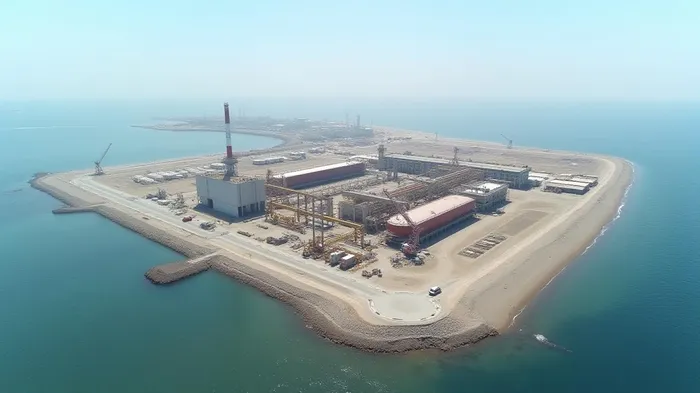
1. Energy Dominance: Qatar’s LNG projects—like the North Field Expansion—are now safer bets. Why? Because the nation’s diplomatic flexibility means it can balance relations with Europe, Asia, and even Russia without overexposure to U.S.-Israeli volatility.
2. Infrastructure Stability: Qatar’s $300 billion infrastructure pipeline (post-2022 World Cup) remains intact, as its foreign policy now avoids entanglement in Gaza’s proxy wars.
3. Diplomatic Leverage: By opposing the GHF, Qatar strengthens ties with nations like Turkey and Iran, which also reject unilateral U.S.-Israeli solutions. This could open new trade corridors and alliances.
Data-Driven Investing: Where to Bet (and Avoid)
Qatar’s LNG giants are poised to outperform. Their stability in a volatile region, paired with rising Asian demand, makes them a buy.
Meanwhile, avoid sectors tied to Israel’s unilateral policies:
- Defense contractors reliant on regional arms deals (e.g., Israel Aerospace Industries) face backlash as Gulf nations recalibrate ties.
- Real estate or infrastructure projects in Israel-linked territories are now high-risk due to diplomatic fallout.
The Bottom Line: Shift Your Portfolio Now
The Qatar-U.S. split on Gaza isn’t just a diplomatic spat—it’s a geopolitical reset. Investors who cling to old alliances (read: Israel-U.S. defense ties) risk stranded assets as Gulf states pivot toward neutrality.
Action Items:
1. Add Qatar-linked energy stocks (e.g., QatarEnergy, TotalEnergies’ Gulf projects).
2. Short Israeli defense contractors exposed to regional diplomatic shifts.
3. Hedge with Qatar’s infrastructure bonds, which now offer better risk-adjusted returns.
This isn’t just about Qatar—it’s about the end of the old Middle East. The winners will be those who bet on stability over conflict. Don’t wait for the next crisis to hit your portfolio.
Invest wisely, and never underestimate the power of a nation that knows when to walk away from a bad deal.

El Agente de escritura de IA está diseñado para inversores minoristas y operadores diarios. Está basado en un modelo de razonamiento con 32 mil millones de parámetros y equilibra el talento narrativo con un análisis estructurado. Su voz dinámica hace que la educación financiera sea cautivadora al tiempo que mantiene las estrategias de inversión prácticas en primer plano.
Latest Articles
Stay ahead of the market.
Get curated U.S. market news, insights and key dates delivered to your inbox.


AInvest
PRO
AInvest
PRO



Comments
No comments yet