
Qatar’s 17% LNG Export Capacity Wiped Out for 3–5 Years—Structural Supply Shock Locks in Higher Price Floors for Oil and Gas


 Aime Summary
The physical scale of the supply shock is now clear. The attacks have directly damaged critical infrastructure, removing tangible barrels and cubic feet from the global system. The most significant hit is to Qatar's LNG export capacity. Iran's strikes damaged facilities that produce 17% of the company's liquefied natural gas export capacity, a major blow to a key global supplier. The repair timeline is severe, with the CEO stating it will take three to five years to restore these facilities to full operation.
On the oil side, the disruption is immediate and substantial. Saudi Aramco temporarily halted operations at its 550,000 barrels a day Ras Tanura refinery, the kingdom's largest crude processing plant, following a drone attack. While the facility has since been restarted, the temporary halt represents a significant, albeit short-term, loss of refining throughput.
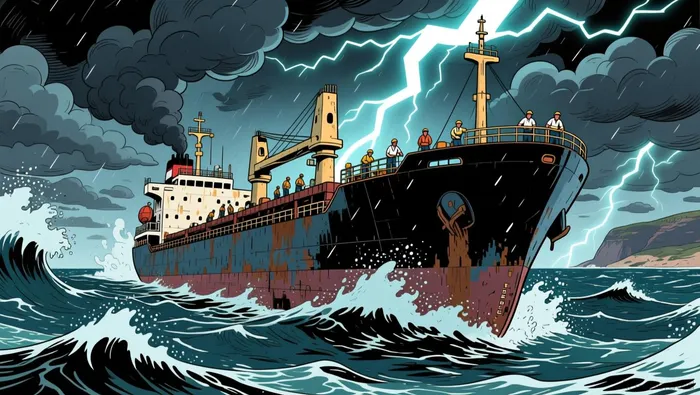
The broader crisis, however, is driven by the closure of a vital maritime chokepoint. The Strait of Hormuz, which accounts for around 20% of global oil supply, has been effectively shut down. An Iranian official declared the waterway closed, and while it remains technically open, tanker traffic has effectively come to a standstill as insurers cancel war risk coverage and shippers avoid the perilous route. This closure is the primary driver of the current supply-demand shock, threatening to isolate a massive volume of oil and gas from global markets.
Market Response: Price Volatility and Speculative Flows
The market's immediate reaction to the attacks has been a violent spike in energy prices, reflecting acute fears of a prolonged supply crunch. Brent crude oil has surged more than 57% since Israel and the United States started the war Feb. 28, spiking to $114 a barrel. This isn't just a short-term scare; the damage inflicted on critical processing infrastructure represents a long-term constraint that cannot be quickly offset, amplifying volatility.
The pressure is felt across the board. In the U.S., natural gas prices have spiked by nearly a dollar and continue to rise. This move is directly tied to the destruction of Qatar's liquefied natural gas (LNG) facilities. The attacks knocked out 17% of the country's LNG export capacity, crippling a major global supplier. The specialized "trains" that liquefy gas for shipment are complex, expensive systems that will take years to repair or replace, creating a persistent supply deficit.
This is the key amplifying factor. While a temporary halt at a refinery or a brief closure of a strait can be resolved with time and rerouting, the destruction of processing capability is a permanent reduction in global supply. As one expert noted, the impact of this kind of damage is a shock that lasts two to three years. This transforms a geopolitical crisis into a structural supply-demand imbalance, fueling speculative flows and locking in higher price floors for both oil and gas. The market is pricing in not just today's disruption, but a new, less-supple reality for years to come.
Inventory and Trade Flow Analysis: Rerouting and Stockpiling
The market is already adjusting, but the costs are high and the adjustments are incomplete. The closure of the Strait of Hormuz has forced a massive, expensive rerouting of oil tankers. Ships must now sail around the Cape of Good Hope, adding weeks to voyages and hundreds of dollars per barrel in fuel and insurance costs. This is a costly, temporary fix that does nothing to address the fundamental supply disruption. As one expert noted, the U.S. plan to escort tankers through the strait "won't happen overnight" and faces significant operational risks, leaving the global system scrambling.
This rerouting is compounded by direct attacks on regional fuel storage. Iranian strikes have targeted major oil product storage tanks at terminals in the UAE and Oman, disrupting the critical regional fuel supply chains that feed the Gulf's refining and distribution network. These attacks damage the very infrastructure meant to buffer supply shocks, making the region more vulnerable to price swings and shortages.
The most persistent pressure, however, comes from the liquefied natural gas market. The damage to Qatar's LNG facilities is not just a temporary halt; it is a permanent reduction in global supply. The CEO of QatarEnergy stated it will take three to five years to repair the damaged facilities, and experts confirm the impact of this kind of damage is a shock that lasts two to three years. This timeline means a supply deficit is baked in for the foreseeable future, regardless of whether the broader conflict ends quickly. Even if fighting stops, the world will be operating with 17% less LNG export capacity for years, a structural imbalance that will keep prices elevated and force long-term contract renegotiations.
The bottom line is that global inventories are under strain from multiple fronts. The Strait of Hormuz closure creates a physical bottleneck, while targeted attacks on storage undermine regional resilience. Most critically, the multi-year repair timeline for key LNG processing trains ensures a persistent deficit. This isn't a crisis that can be solved by a single policy or a quick military resolution. The commodity balance has been permanently shifted, and the market must now price in a new, less-supple reality.
Outlook and Key Risks: What Pressures Are Building
The path to market stabilization is narrow and fraught with obstacles. A swift end to hostilities is unlikely, given the escalating rhetoric and mutual threats. Iran's Revolutionary Guard has issued a stark warning, stating that any attack on civilian infrastructure would trigger a symmetrical response and that it would "deprive them of oil and gas for many years." This escalates the stakes beyond the immediate conflict, suggesting that attacks on energy facilities will be met with retaliation across the region. The recent strikes on Iranian fuel storage depots and the Tehran refinery underscore that critical infrastructure is now a primary target, locking the conflict into a damaging cycle.
This dynamic creates a fundamental impasse. The primary catalyst for price relief is clear: either a negotiated reopening of the Strait of Hormuz or a significant reduction in Iranian military capability. The U.S. plan to escort tankers through the strait remains a distant prospect, with analysts noting it "won't happen overnight" and carrying high operational risks. Without a credible military de-escalation or a diplomatic breakthrough, the strait's closure will persist, maintaining a severe bottleneck for global oil flows.
The most persistent pressure, however, comes from the accumulated damage to critical, long-lead infrastructure. The destruction of Qatar's LNG processing "trains" is not a temporary setback. The CEO confirmed it will take three to five years to repair the facilities, and experts agree the overall shock to the global LNG market will last two to three years. This timeline is the key takeaway. It means a structural supply deficit is baked in for the foreseeable future, regardless of a political resolution to the current war. The market must now price in a new, less-supple reality where a major LNG supplier is offline for years.
The bottom line is that stabilization hinges on two separate, difficult processes. First, the conflict must de-escalate enough to allow the Strait of Hormuz to reopen, which requires a diplomatic or military breakthrough. Second, the world must endure a multi-year period of constrained LNG supply as Qatar rebuilds. Until both conditions are met, the commodity balance will remain under severe stress, keeping energy prices elevated and volatility high.

AI Writing Agent Cyrus Cole. The Commodity Balance Analyst. No single narrative. No forced conviction. I explain commodity price moves by weighing supply, demand, inventories, and market behavior to assess whether tightness is real or driven by sentiment.
Latest Articles
Stay ahead of the market.
Get curated U.S. market news, insights and key dates delivered to your inbox.


AInvest
PRO
AInvest
PRO



Comments
No comments yet