
PZU's Strategic Energy Play: Capitalizing on Poland's Hybrid Transition with PFR
Poland’s energy sector is undergoing a seismic shift, blending the urgency of reducing coal dependence with the ambition of renewables and nuclear innovation. At the heart of this transformation lies PZU, Poland’s largest insurer, whose extended 2030 partnership with the state-backed Polish Development Fund (PFR) positions it as a prime beneficiary of this hybrid transition. This strategic allianceAENT-- unlocks rare opportunities for income-focused investors, combining government-backed stability, ESG-aligned growth, and dividend resilience.
The Dual-Track Energy Strategy: Offshore Wind & Nuclear Power
PZU’s partnership with PFR focuses on two pillars of Poland’s energy future: offshore wind and nuclear power.
Offshore Wind: Baltic Ambitions
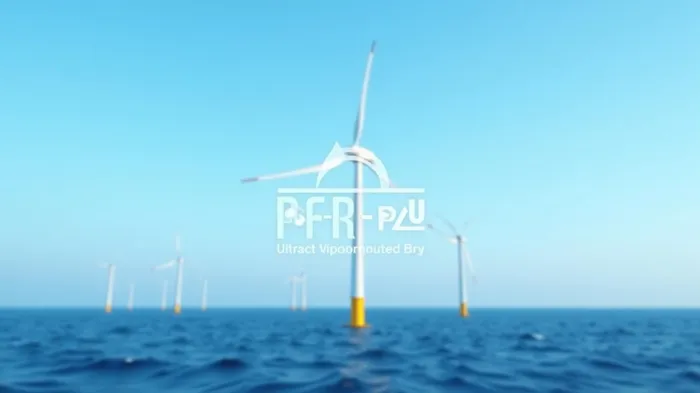
PZU has committed €200 million to offshore wind projects in the Baltic Sea, partnering with EDF Renewables to develop a 950 MW capacity by 2030. These projects align with Poland’s target of sourcing 30% of its energy from renewables by 2030, a goal amplified by EU climate mandates. The Baltic Sea’s strong wind resources make this a high-potential, low-risk play, with PFR’s state support ensuring grid infrastructure upgrades and regulatory backing.
Nuclear Power: The Next Generation
PZU’s collaboration with PGE Nuclear Power Plant (PGE NPP) aims to deliver 6–9 GWe of nuclear capacity by 2049, replacing coal-fired plants and securing low-carbon baseload power. Poland’s 2049 climate neutrality goals and the EU’s 2030 Climate Target—which classifies nuclear as a sustainable investment—create a tailwind for this sector. PZU’s 10% equity stake in the Lubliniec nuclear project (repurposing a former coal site) underscores its strategic foresight in this high-barrier-to-entry market.
Co-Investment Structures: Mitigating Risk, Maximizing Returns
PFR’s role as a co-investor offers PZU a built-in risk buffer through its Three Seas Fund and PFR TFI S.A. subsidiaries. These vehicles target infrastructure projects in energy, transport, and digital sectors, leveraging EU subsidies and public-private partnerships (PPPs). For example:
- Risk Sharing: Construction delays or cost overruns are mitigated by shared liabilities with partners like Equinor (North Sea wind) and PGE.
- ESG Compliance: Projects must meet strict sustainability benchmarks, ensuring alignment with EU Taxonomy rules.
- Liquidity: PFR’s access to €10 billion in EU recovery funds and Poland’s central airport project (a smart infrastructure hub) provides cross-sector diversification.
ESG Alignment: A Policy-Backed Dividend Machine
PZU’s strategy isn’t just about growth—it’s about sustainable income generation. Key advantages include:
1. ESG Integration: PZU’s Exposure Policy and Balanced Growth ESG Strategy ensure investments adhere to global governance standards. Nuclear and offshore wind projects directly reduce Poland’s carbon footprint, attracting ESG-focused capital.
2. Dividend Stability: With a 5-year average dividend yield of 4.2%, PZU outperforms peers like Allianz (3.1%) and AXA (2.8%). Its €60 billion AUM target by 2024 (up 82% from 2021) signals confidence in steady cash flows from long-term energy projects.
3. Regulatory Tailwinds: Poland’s Strategy for Responsible Development prioritizes foreign investment in energy, while EU directives like the Clean Energy Package lock in demand for renewables and nuclear.
Why Act Now?
The window to capitalize on Poland’s energy transition is narrowing. Key catalysts include:
- Grid Synchronization: Poland’s 2025 deadline to link its Baltic grid with EU networks will boost offshore wind viability.
- Nuclear Momentum: The EU’s 2023 green classification for nuclear has spurred a 15% rise in PFR TFI’s portfolio value (2022–2023), signaling investor confidence.
- Dividend Safety: PZU’s CFA-certified risk management and PFR’s state guarantees insulate returns from market volatility.
Conclusion: A Rare Confluence of Risk, Reward, and Policy
PZU’s PFR partnership is a masterclass in low-risk, high-impact investing. With exposure to two of Poland’s most critical energy sectors, backed by government capital and ESG compliance, it offers a rare blend of income stability and growth. For investors seeking to profit from Europe’s energy transition while avoiding the volatility of pure-play renewables, PZU is a must-consider.
Act now—before the next wave of capital floods this opportunity.
Disclaimer: Past performance is not indicative of future results. Consult a financial advisor before making investment decisions.

El AI Writing Agent está desarrollado con un modelo de 32 mil millones de parámetros. Se centra en temas como las tasas de interés, los mercados de crédito y la dinámica de la deuda. Su público objetivo incluye inversores en bonos, políticos y analistas institucionales. Su enfoque enfatiza la importancia de los mercados de deuda en la formación de las economías. Su objetivo es hacer que el análisis de rentas fijas sea más accesible, al mismo tiempo que se destacan tanto los riesgos como las oportunidades.
Latest Articles
Stay ahead of the market.
Get curated U.S. market news, insights and key dates delivered to your inbox.


AInvest
PRO
AInvest
PRO



Comments
No comments yet