
Putin Trump Alaska Summit Ends Without Ukraine Peace Agreement, Despite Progress Claims
 Aime Summary
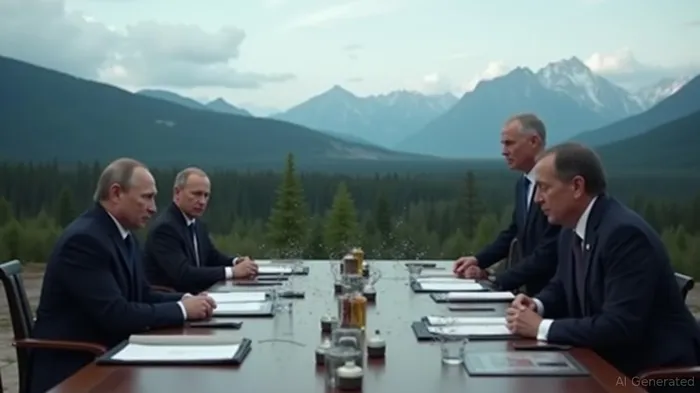
In a landmark summit convened at Joint Base Elmendorf-Richardson in Anchorage, Alaska, former U.S. President Donald Trump and Russian President Vladimir Putin met to discuss the ongoing conflict in Ukraine, marking the first such meeting between a sitting Russian and American president since the Russian invasion of Ukraine. Despite the high stakes, the summit ended without a definitive peace agreement, although both leaders expressed optimism about the progress made.
The meeting unfolded with notable fanfare as Trump warmly welcomed Putin with a red-carpet reception. The encounter sought to redefine Putin’s international standing from an outcast to an acceptably engaged world leader on American soil. Despite the symbolic gestures, the summit did not result in any significant breakthroughs or declarations pertaining to the war in Ukraine.
In a subsequent interview, Trump indicated that while "a lot of progress" had been made, a formal deal remained elusive. He firmly stated, “there’s no deal until there’s a deal,” emphasizing the contingent nature of the discussions. On the other hand, Trump relayed that Putin seemed open to achieving peace, expressing a personal desire to see it accomplished.
While the summit attracted substantial global attention, the absence of Ukrainian President Volodymyr Zelenskyy and the lack of a tangible agreement led to mixed responses from the international community. Zelenskyy commented that further negotiations would take place in Washington to discuss the continuation of efforts toward conflict resolution. He underscored the need for European nations to play a pivotal role in securing a robust peace framework.
The talk also raised the possibility of a future trilateral meeting involving Trump, Zelenskyy, and Putin. Trump expressed readiness to facilitate such a gathering, indicating his eagerness to conclude the matter, albeit with caution about setting unrealistic expectations.
Despite reiterating the importance of reaching a resolution, Trump hesitated to disclose the major sticking points of the negotiations, leaving observers speculating about potential areas of contention. He called for further direct involvement from European allies and encouraged Zelenskyy to "get it done."
The summit exposed a disparity between the event’s theatrical staging and its substantive outcomes. Major announcements and agreements remained conspicuously absent, leading to skepticism from some quarters. Nonetheless, Trump rated the dialogue positively, claiming mutual respect had been fostered between the countries’ administrations.
Trump also used the occasion to urge Kiev to reach a settlement, advising Zelenskyy to "make a deal" while acknowledging the uneven power dynamic between Russia and Ukraine. His statements about the previous U.S. administration’s foreign policy posture toward Russia injected a further political dimension into the assessment of the summit.
Moreover, there was notable commentary surrounding the perceived leverage gained by Russia due to the meeting. Critics across Europe and within the U.S. lamented the meeting as a missed opportunity to pressurize Putin into committing to a ceasefire or specific de-escalation measures.
While the immediate reactions from various Western lawmakers ranged from cautious optimism to disappointment, Putin’s engagement in future peace efforts remains uncertain, as elements of the talks remain confidential.
Additionally, the Moscow delegation emphasized the positive nature of the discussions, pointing toward incremental steps toward peace, though without concrete assurances. Putin spoke about collaborative pathways for easing tensions in Ukraine but refrained from offering substantive commitments.
Although the summit underscored a potential thawing in U.S.-Russia relations, it left open many questions on its impact on Ukraine’s geopolitical landscape. The complex balance of diplomacy, extended dialogue, and strategic calculations continues to dictate the uncertain trajectory of the peace process.
As the world awaited further developments, European leaders reiterated the necessity for their involvement in any potential agreements, cognizantCTSH-- of the broader implications for regional security and diplomatic stability. For the combined international efforts to succeed, a comprehensive and inclusive approach remains vital.

Stay ahead of the market.
Get curated U.S. market news, insights and key dates delivered to your inbox.


AInvest
PRO
AInvest
PRO



Comments
No comments yet