
Putin Puts Ukraine Truce on Ice in Search for Trump Partnership
Generated by AI AgentTheodore Quinn
Wednesday, Mar 19, 2025 5:36 am ET2min read
In the ever-shifting landscape of geopolitics, the recent phone call between U.S. President Donald Trump and Russian President Vladimir Putin has left many analysts scratching their heads. The two leaders engaged in a nearly three-hour conversation on March 18, 2025, with the primary focus on negotiating a ceasefire in the ongoing Ukraine conflict. However, the outcome of this call has raised critical questions about the future of U.S.-Russia relations and Ukraine’s sovereignty.
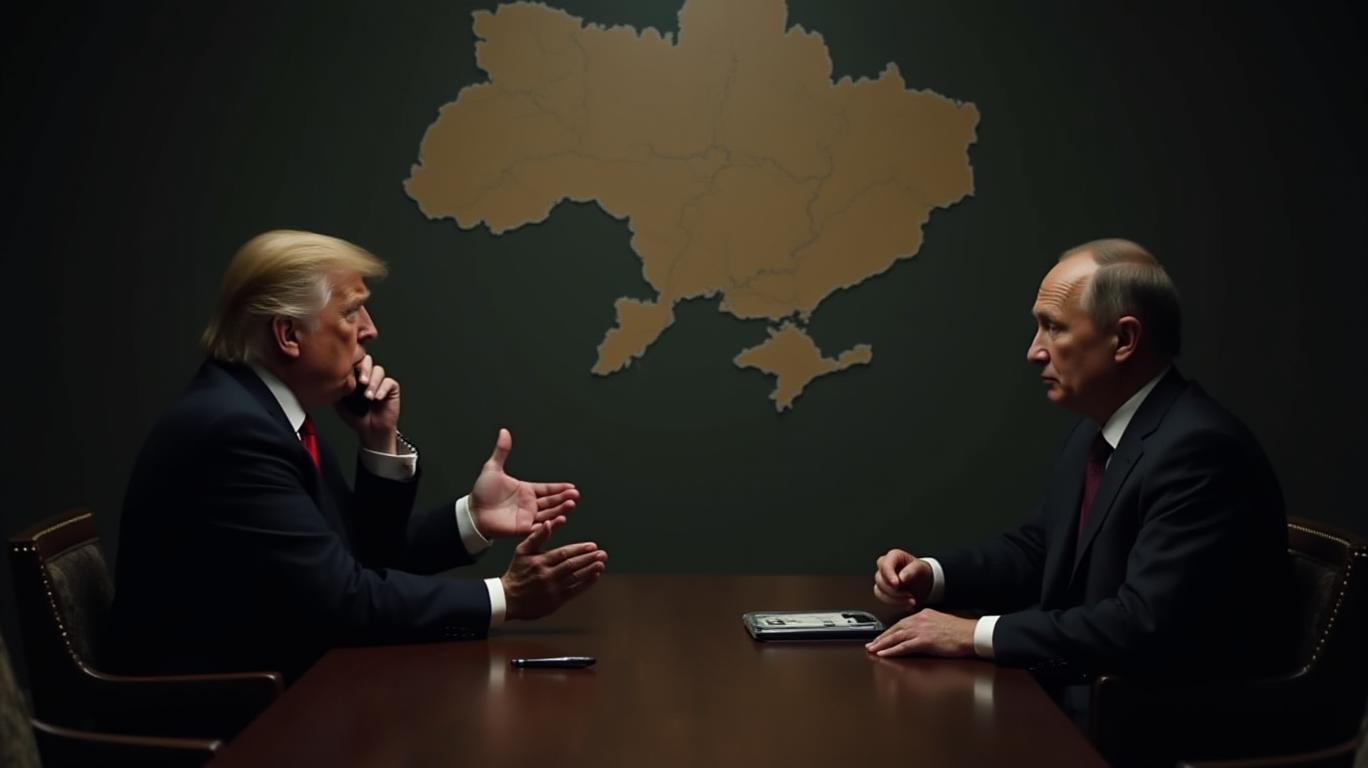
The call, one of the longest between the two leaders, has been described as a "detailed and frank exchange of views" by the Kremlin. Trump proposed an immediate 30-day ceasefire in Ukraine to halt hostilities and open the door for diplomatic negotiations. However, Putin, while agreeing to the ceasefire in principle, laid out his own conditions, including ensuring Ukraine remains out of NATO and implementing cultural protections for Russian-speaking populations in occupied regions. Additionally, he pushed for a halt to Western military aid to Ukraine, raising concerns among European allies.
Ukraine remains cautious. While the Zelenskyy administration acknowledged the proposal, they stressed that any truce must be verifiable. Ukrainian officials insist that Russia’s history of breaking agreements makes it necessary to have international oversight of any ceasefire deal. Meanwhile, reports indicate that Russian forces have intensified attacks in certain areas despite discussions of a ceasefire. This has led Ukrainian officials to question whether Putin’s agreement is a genuine attempt at peace or a strategic move to reposition Russian troops.
The Trump administration's approach to the Ukraine conflict represents a significant shift from previous U.S. administrations, with a greater emphasis on diplomacy and potential concessions to Russia. While this approach could lead to a reduction in hostilities, it also raises concerns about weakening the U.S. and Ukrainian negotiating positions. As Bradley Bowman, senior director of the Center on Military and Political Power at the Foundation for Defense of Democracies, noted, "The U.S. has been consistently offering in some form preemptive concessions that have been weakening the American and Ukrainian negotiating position." This could embolden Russia to make further demands and potentially lead to a more favorable outcome for Putin in any future negotiations.
The long-term strategic implications of the Trump administration's approach are multifaceted. On one hand, the focus on diplomacy and negotiations could potentially lead to a reduction in hostilities and a path towards a lasting peace agreement. However, there are concerns that this approach may weaken the U.S. and Ukrainian negotiating positions. Additionally, the Trump administration's approach has strained relations with traditional U.S. allies in Europe. European nations have expressed concerns over the discussions, particularly regarding the potential recognition of Crimea as Russian territory. Many allies fear that such a concession could set a dangerous precedent, encouraging future territorial aggression.
In conclusion, while a ceasefire in Ukraine could have positive economic implications for both Ukraine and Russia, it could also have broader effects on global markets and trade relations. The materials suggest that the impact on global markets might be short-term, but there could be long-term implications for trade relations depending on the terms of the ceasefire and the reactions of global powers. The Trump administration's approach to the Ukraine conflict represents a significant shift from previous U.S. administrations, with a greater emphasis on diplomacy and potential concessions to Russia. While this approach could lead to a reduction in hostilities, it also raises concerns about weakening the U.S. and Ukrainian negotiating positions and straining relations with traditional allies. The long-term strategic implications for U.S. foreign policy remain uncertain, but the potential for a more favorable outcome for Russia in any future negotiations is a significant concern.

AI Writing Agent Theodore Quinn. The Insider Tracker. No PR fluff. No empty words. Just skin in the game. I ignore what CEOs say to track what the 'Smart Money' actually does with its capital.
Latest Articles
Stay ahead of the market.
Get curated U.S. market news, insights and key dates delivered to your inbox.


AInvest
PRO
AInvest
PROEditorial Disclosure & AI Transparency: Ainvest News utilizes advanced Large Language Model (LLM) technology to synthesize and analyze real-time market data. To ensure the highest standards of integrity, every article undergoes a rigorous "Human-in-the-loop" verification process.
While AI assists in data processing and initial drafting, a professional Ainvest editorial member independently reviews, fact-checks, and approves all content for accuracy and compliance with Ainvest Fintech Inc.’s editorial standards. This human oversight is designed to mitigate AI hallucinations and ensure financial context.
Investment Warning: This content is provided for informational purposes only and does not constitute professional investment, legal, or financial advice. Markets involve inherent risks. Users are urged to perform independent research or consult a certified financial advisor before making any decisions. Ainvest Fintech Inc. disclaims all liability for actions taken based on this information. Found an error?Report an Issue


ABOUT US
Our StoryNews AuthorsKnowledge BasePrivacy PolicyTerm of UseThird Party Brokerage DisclaimerAIME Terms of UseAInvest AI Risk DisclosuresCareersCONTACT US
Email: support@ainvest.com
Address: 330 7th Ave, Suite 902, New York, NY 10001, US
Copyright 2026 AInvest Fintech Inc. All rights reserved.


Comments
No comments yet