
Purdue's Tuition Freeze: A Beacon of Resilience in Higher Ed's Turbulent Landscape
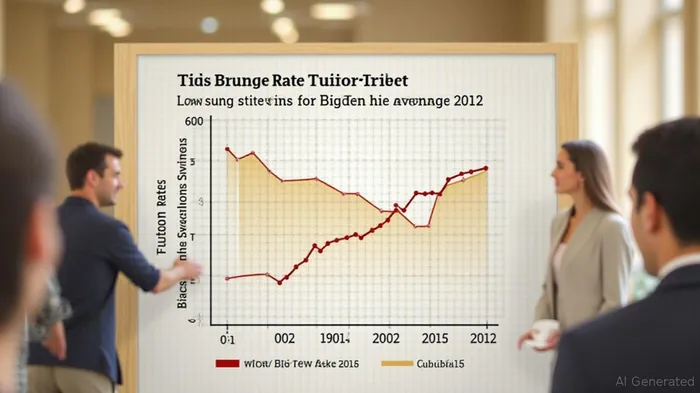
Purdue University's 14th consecutive tuition freeze for in-state undergraduates marks a historic milestone in American higher education. While many institutions face enrollment declines, rising operational costs, and pressure to raise tuition, Purdue has defied the trend by maintaining base tuition at $9,992 for Indiana residents since 2012–13. This decision, paired with strategic financial moves like merit-based salary increases for faculty and staff, underscores the university's unique ability to balance affordability with institutional strength. For investors analyzing the viability of tuition-driven models, Purdue's approach offers critical insights into what makes a higher education institution financially sustainable—and why others may struggle to keep pace.
The Financial Foundation: Endowment, Revenue Diversification, and Operational Discipline
Purdue's resilience stems from its diversified revenue streams and disciplined financial management. While the university's endowment size isn't explicitly detailed, its fiscal 2026 budget of $3.322 billion—driven by auxiliary revenues (housing, dining, athletics), investment income, and state appropriations—suggests a robust financial ecosystem. This contrasts sharply with peers relying heavily on tuition revenue, which has become increasingly volatile due to enrollment shifts and economic pressures.
The university's 2% recurring salary increases for faculty and staff, coupled with a 0.5% non-recurring bonus, further signal fiscal confidence. Such investments in human capital are rare in a sector where many institutions have frozen wages or cut staff to manage costs. would likely show a widening gap between its stability and competitors' struggles.
The Tuition Freeze as a Strategic Tool—and a Risk Mitigation Play
By freezing in-state tuition for 14 years, Purdue has insulated itself from the reputational and financial risks tied to rising student debt. The freeze has cumulatively saved students and families over $1 billion, fostering loyalty and attracting applicants at a time when many universities face enrollment declines. For investors, this strategy reduces dependency on unpredictable tuition hikes to cover deficits—a common pitfall for cash-strapped institutions.
However, the freeze isn't without trade-offs. Non-resident and international students face differential fee increases—up to $1,000 per semester for engineering, business, and tech programs—to offset specialized program costs. This approach highlights Purdue's focus on leveraging high-demand fields (e.g., AI, data science) as profit centers while prioritizing accessibility for in-state residents.
Implications for the Higher Education Investment Landscape
Purdue's model suggests that institutions with the following traits are best positioned to thrive:
1. Diversified Revenue Streams: Reliance on auxiliary services, endowments, and state funding reduces vulnerability to enrollment fluctuations.
2. Operational Efficiency: Land-grant missions and streamlined administrative structures can curb costs.
3. Strategic Tuition Policies: Freezes or capped tuition growth can bolster enrollment and reputation, even if they require tough decisions on fee structures.
For investors, this points to a clear divide between sustainable institutions and those at risk. Universities with weak endowments, overreliance on tuition, or poor fiscal discipline may struggle as macroeconomic pressures persist. Meanwhile, institutions like Purdue—backed by strong finances and long-term planning—could emerge as leaders in an increasingly competitive sector.
Risks and Considerations
The freeze's longevity isn't guaranteed. While Purdue's 2026 budget projects a surplus, external factors like inflation, federal funding shifts, or declining enrollment could strain its model. Additionally, fee hikes for non-residents and international students may deter some applicants, though the university's focus on high-demand programs could mitigate this.
Investors should also monitor peer performance. For-profit education stocks like STRAT (Strayer Education) or AMAT (Apollo Education Group) have faced enrollment declines and regulatory scrutiny, underscoring the risks of tuition-driven models without endowment or operational buffers.
Investment Takeaways
- Prioritize Financially Diversified Institutions: Look for universities with strong endowments, auxiliary revenue streams, and low reliance on tuition.
- Watch for Tuition Policies: Institutions with freezes or capped increases may attract students and reduce financial instability risks.
- Avoid Overextended Competitors: Those with high debt, shrinking enrollments, or reliance on volatile tuition revenue are vulnerable to shocks.
Conclusion: A Model for the Future—or a Relic?
Purdue's 14-year tuition freeze isn't just a PR victory; it's a testament to institutional financial health. By prioritizing affordability while investing in staff and programs, the university has created a template for sustainability in higher education. For investors, its success signals that institutions with diversified revenue, operational discipline, and long-term vision will outlast those chasing short-term gains through tuition hikes. In an era of uncertainty, Purdue's resilience is a lesson in how to build enduring value—without breaking the bank.
Jeanna Smialek is a financial analyst specializing in higher education economics and institutional sustainability. Her work focuses on identifying trends and metrics that inform long-term investment strategies in education.

Stay ahead of the market.
Get curated U.S. market news, insights and key dates delivered to your inbox.


AInvest
PRO
AInvest
PRO



Comments
No comments yet