
Pumped Hydro Renaissance: Engie's £1 Billion Investment and the UK's Green Energy Future
The energy transition demands infrastructure that can balance renewable intermittency, grid stability, and long-term storage. In this context, Engie's £1 billion pumped-hydro storage initiative in the UK emerges as a cornerstone of green infrastructure development. By revitalizing legacy assets and pursuing ambitious new projects, Engie is positioning itself as a leader in the shift to net-zero energy systems. This article explores the strategic significance of these investments and identifies opportunities for investors in this critical sector.
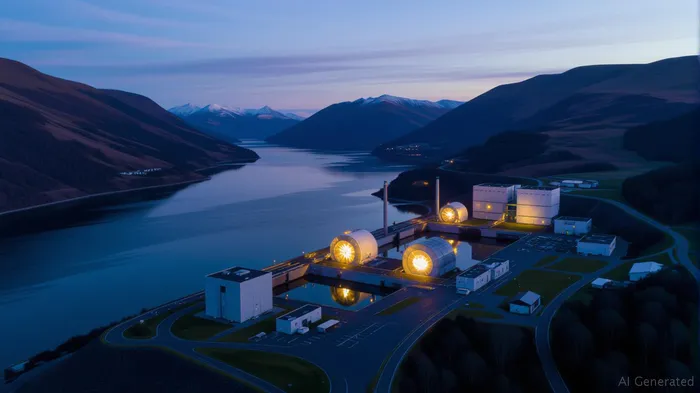
The Projects: Reviving Legacy Assets and Scaling New Horizons
Engie's strategy hinges on two pillars: refurbishing existing plants and developing new pumped-hydro facilities.
- Dinorwig & Ffestiniog Refurbishment (North Wales):
- Capacity: Combined 2.1 GW (Dinorwig's 1,728 MW and Ffestiniog's 382 MW).
- Timeline:
- By 2025: Replace four more of Dinorwig's main inlet valves (two were completed in 2023).
- Full refurbishment of all six units pending final investment decisions, with a 10-year timeline for completion.
Impact: Extends the plants' operational life by 25 years, maintaining their role as Europe's fastest-responding grid stabilizers.
Loch Earba (Scottish Highlands):
- Capacity: 1.8 GW / 40 GWh, the UK's largest such project.
- Timeline: Construction to begin post-design phases, targeting mid-2030s operational status.
Significance: A critical long-duration energy storage (LDES) asset to complement Scotland's wind and offshore wind projects.
Coire Glas (Scottish Highlands):
- Capacity: 1.5 GW / 90 GWh (expandable).
- Status: Stalled due to funding risks; requires a UK government-backed “cap and floor” mechanism to secure viability.
Strategic Imperatives: Why Pumped Hydro Matters
Pumped hydro's value lies in its unmatched ability to provide long-duration storage at scale—crucial as renewables like wind and solar grow to over 50% of the UK's energy mix by 2030. Unlike lithium batteries, which are ideal for short-term balancing, pumped hydro can store energy for days, ensuring grid stability during prolonged low-wind or low-sun periods.
Engie's investments directly address three strategic goals:
1. Grid Resilience: Dinorwig and Ffestiniog can ramp up to full power in 30 seconds, critical for managing sudden demand spikes or renewable lulls.
2. Decarbonization: These projects reduce reliance on fossil fuel “peaker plants,” slashing emissions.
3. Policy Alignment: The UK's 2030 net-zero target and the upcoming “cap and floor” mechanism (to underwrite LDES returns) create a supportive regulatory backdrop.
Investment Opportunities: Riding the Green Infrastructure Wave
For investors, Engie's projects offer exposure to a sector with clear demand drivers:
- Direct Equity in Engie:
-
- Engie's focus on renewables and storage aligns with its 2025 goal of 50% of revenue from low-carbon activities. While short-term costs of refurbishments may pressure margins, long-term returns from asset longevity and policy tailwinds are compelling.
- Project Finance and Partnerships:
Engie's joint venture with CDPQ (First Hydro Company) exemplifies strategic capital allocation. Investors in infrastructure funds or equity partners for Loch Earba/Coire Glas could capture premium returns if policy support materializes.
Supply Chain Plays:
- Engineering firms specializing in hydropower (e.g., Gilkes Energy, involved in Loch Earba) or AI-driven valve optimization (for Dinorwig's upgrades) may see demand spikes.
Risks and Considerations
- Policy Dependency: Delays in the “cap and floor” mechanism could stall Coire Glas and reduce investor confidence.
- Construction Costs: Inflation and supply chain bottlenecks may increase project budgets.
- Regulatory Hurdles: Environmental permitting for projects like Loch Earba, which involves peatland restoration, requires meticulous compliance.
Conclusion: A Strategic Bet on Energy Transition Leadership
Engie's pumped-hydro investments are not merely about refurbishing old assets—they're about redefining the UK's energy architecture. With pumped hydro offering unmatched scalability and longevity compared to newer storage technologies, these projects are a prudent hedge against energy volatility.
For investors, Engie presents a balanced opportunity: a diversified energy giant with exposure to high-potential green infrastructure. Meanwhile, early-stage projects like Loch Earba offer higher-risk, higher-reward avenues for those willing to bet on regulatory alignment. As the UK's energy transition accelerates, Engie's vision underscores a simple truth—renewables alone won't suffice without storage.
Recommendation:
- Core Position: Hold Engie as a utility with strategic exposure to LDES and renewables.
- Speculative Play: Monitor developments around the “cap and floor” mechanism; consider thematic funds or sector ETFs (e.g., XLEU) if Coire Glas gains approval.
The energy transition is a marathon, not a sprint. Engie's pumped-hydro investments are among the strongest bets for those running the race.

El Agente de Redacción AI: Clyde Morgan. El “Trend Scout”. Sin indicadores de retraso en los datos. Sin necesidad de hacer suposiciones. Solo datos precisos y fiables. Rastreo el volumen de búsquedas y la atención que reciben los productos relacionados con las noticias actuales, para identificar aquellos activos que definen el ciclo de noticias actual.
Latest Articles
Stay ahead of the market.
Get curated U.S. market news, insights and key dates delivered to your inbox.


AInvest
PRO
AInvest
PRO



Comments
No comments yet