
Pump.fun Launches Cashback Coins for Fairer Rewards
 Aime Summary
Pump.fun has launched Cashback Coins, a feature that lets users decide whether fees from token trading should go to creators or traders. This new mechanism is intended to let the market decide fair compensation, especially in the context of speculative or memeMEME-- tokens where creators may not contribute significantly to long-term value according to reports. The feature applies only to new tokens, ensuring existing token ecosystems are not disrupted as documented. The model allows creators to choose between Trader Cashback or Creator Fees before launching a token as noted. This aligns incentives with market preferences and reduces perceived unfairness in token deployment according to analysis.
Analysts have highlighted that this could shift platform dynamics, making them more transparent and structured according to industry reports. The model is designed to let the market decide the most appropriate reward structure for each token as reported. By giving users more control, Pump.fun aims to align incentives with market preferences and create a more transparent and fair system for token economics according to analysis. This is especially relevant in the context of speculative or meme tokens where creators may not contribute to the token's sustainability as noted.
The decision is irreversible for creators, who must choose the reward model before launching a token according to reports. The feature is part of a broader trend in crypto platforms aiming to create more balanced and structured token economies as documented.
How Does the Cashback Coins Model Work?
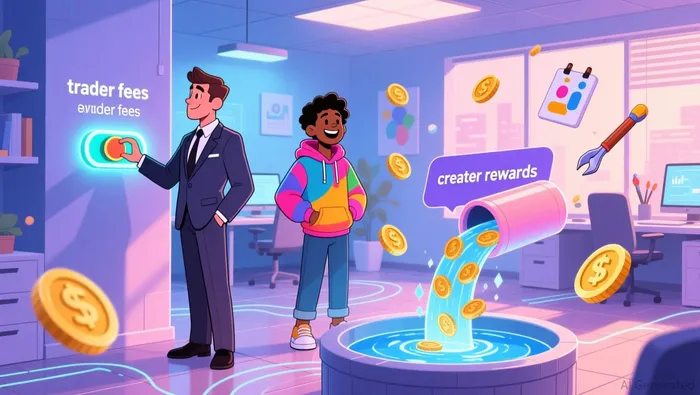
Cashback Coins introduce a system where users can decide how fees are distributed between traders and creators for new tokens according to reports. This is intended to address perceived unfairness in the traditional model where deployers receive a fixed percentage of fees regardless of their contribution to a token's long-term success as noted. The model is designed to let the market decide the most appropriate reward structure for each token as reported.
This shift from the platform's original model, which gave creators a fixed percentage of trading fees, represents a significant change in the token economics landscape according to analysis. The new model lets users decide whether a token deserves Creator Fees or if rewards should go to traders according to reports. This change comes after criticism that only a small number of traders were benefiting on the platform, while most retail traders were losing money as documented.
 What Are the Implications for Token Economics and Market Dynamics?
The Cashback Coins feature is part of a broader trend in crypto platforms aiming to create more balanced and structured token economies according to analysis. The feature lets users determine how fees are distributed between traders and token creators for new tokens as noted. This is intended to address perceived unfairness in the traditional model where deployers receive a fixed percentage of fees regardless of their contribution to a token's long-term success as reported.
The Cashback Coins model is designed to let the market decide the most appropriate reward structure for each token according to reports. This is especially relevant in the context of speculative or meme tokens where creators may not contribute to the token's sustainability as noted. The model allows creators to choose between Trader Cashback or Creator Fees before launching a token as documented. This aligns incentives with market preferences and reduces perceived unfairness in token deployment according to analysis.
By giving users more control, Pump.fun aims to align incentives with market preferences and create a more transparent and fair system for token economics according to reports. The decision is irreversible for creators, who must choose the reward model before launching a token as documented. The feature is part of a broader trend in crypto platforms aiming to create more balanced and structured token economies according to analysis.
Limitations and Considerations
The Cashback Coins model applies only to new tokens, preserving existing token ecosystems while introducing a more transparent fee structure for new projects according to reports. This approach ensures that existing token ecosystems are not disrupted, while introducing a more transparent fee structure for new projects as documented.
However, the model does not address all concerns related to token economics and market dynamics according to analysis. The feature is part of a broader trend in crypto platforms aiming to create more balanced and structured token economies as reported. The Cashback Coins model is designed to let the market decide the most appropriate reward structure for each token according to reports. This is especially relevant in the context of speculative or meme tokens where creators may not contribute to the token's sustainability as noted.
The Cashback Coins feature introduces a system where users can decide how fees are distributed between traders and creators for new tokens according to analysis. This is intended to address perceived unfairness in the traditional model where deployers receive a fixed percentage of fees regardless of their contribution to a token's long-term success as reported. The model is designed to let the market decide the most appropriate reward structure for each token according to reports.
By giving users more control, Pump.fun aims to align incentives with market preferences and create a more transparent and fair system for token economics according to analysis. The decision is irreversible for creators, who must choose the reward model before launching a token as documented. The feature is part of a broader trend in crypto platforms aiming to create more balanced and structured token economies according to reports.
Summary and Outlook
The Cashback Coins feature introduces a system where users can decide how fees are distributed between traders and creators for new tokens according to reports. This is intended to address perceived unfairness in the traditional model where deployers receive a fixed percentage of fees regardless of their contribution to a token's long-term success as noted. The model is designed to let the market decide the most appropriate reward structure for each token according to analysis.
The Cashback Coins model is designed to let the market decide the most appropriate reward structure for each token as documented. This is especially relevant in the context of speculative or meme tokens where creators may not contribute to the token's sustainability according to reports. The model allows creators to choose between Trader Cashback or Creator Fees before launching a token as noted. This aligns incentives with market preferences and reduces perceived unfairness in token deployment according to analysis.
By giving users more control, Pump.fun aims to align incentives with market preferences and create a more transparent and fair system for token economics according to reports. The decision is irreversible for creators, who must choose the reward model before launching a token as documented. The feature is part of a broader trend in crypto platforms aiming to create more balanced and structured token economies according to analysis.

Blending traditional trading wisdom with cutting-edge cryptocurrency insights.
Latest Articles
Stay ahead of the market.
Get curated U.S. market news, insights and key dates delivered to your inbox.


AInvest
PRO
AInvest
PRO



Comments
No comments yet