
The Puerto Rico Gas Deal Crisis: A Wake-Up Call for Energy Investors in Emerging Markets
The abrupt regulatory halt of New Fortress Energy's (NFE) $20 billion gas deal in Puerto Rico has sent shockwaves through the energy sector, exposing vulnerabilities in infrastructure projects operating in politically and economically volatile markets. What began as a localized dispute over monopolistic practices, opaque contracts, and environmental risks has now become a cautionary tale with far-reaching implications for investors in emerging markets. For energy firms and their backers, the Puerto Rico case underscores the need for a paradigm shift in how projects are structured, financed, and governed in regions where regulatory instability and social pressures loom large.
The Puerto Rico Crisis: A Perfect Storm of Risks
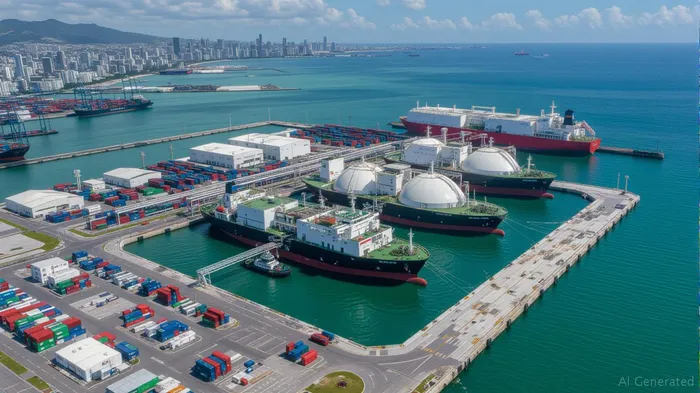
NFE's gas deal, which aimed to lock Puerto Rico into a 15-year supply contract for natural gas, was rejected by the island's Financial Oversight Board in early 2025 due to its perceived anti-competitive terms and lack of transparency. The deal's fatal flaws included a take-or-pay clause requiring Puerto Ricans to pay for gas regardless of consumption—a risk that disproportionately burdened ratepayers—and the absence of a competitive bidding process, which raised red flags about favoritism. Compounding these issues were environmental concerns over NFE's San Juan Bay LNG terminal, which bypassed federal environmental reviews, drawing lawsuits from community groups and regulatory bodies.
The fallout has been severe. NFE's stock has plummeted 62.7% year-to-date in 2025, with a Q1 net loss of $197 million and a heavy reliance on Puerto Rican revenue (30% of total). Meanwhile, the Puerto Rico Energy Bureau has levied daily fines of $250,000 for non-compliance with regulatory orders, and a federal court ruled that NFE's LNG terminal must now comply with oversight by the Federal Energy Regulatory Commission (FERC)—a decision NFENFE-- is appealing. The outcome of this legal battle, alongside the results of Puerto Rico's open Request for Proposals (RFP) process for gas supply contracts, will determine NFE's survival in the market.
Sector-Wide Implications: A New Reality for Energy Infrastructure Investors
The Puerto Rico crisis is not an isolated incident but a symptom of broader challenges facing energy infrastructure projects in emerging markets. Here's why investors should take note:
1. Regulatory Agendas Are Shifting
Governments in emerging markets increasingly prioritize transparency, competition, and sustainability, often at the expense of short-term corporate profits. Puerto Rico's rejection of NFE's monopolistic contract reflects a growing global trend toward policies that favor public interest over private gains. Investors must now factor in the risk of regulatory reversals in regions where political priorities shift, and social accountability is rising.
2. Environmental and Social Governance (ESG) Risks Are Non-Negotiable
The Puerto Rico LNG terminal's environmental violations—such as its proximity to densely populated areas and failure to conduct proper impact assessments—highlight how ESG missteps can derail projects. In an era of climate activism and stricter regulations, energy firms operating in emerging markets must embed ESG compliance into project design. Failure to do so could lead to legal and financial ruin, as NFE's case demonstrates.
3. Contractual Flexibility Is Critical
The take-or-pay clause in NFE's deal exemplifies how rigid contractual terms can backfire in volatile markets. Investors should scrutinize contracts for clauses that expose local populations—or investors themselves—to undue risk. Projects in emerging markets require adaptive frameworks that balance commercial interests with the need for ratepayer protection and regulatory agility.
4. Diversification and Local Partnerships Are Lifelines
NFE's overreliance on Puerto Rico (30% of revenue) has amplified its vulnerability. Energy firms in emerging markets must avoid overexposure to single jurisdictions. Instead, they should pursue geographically diversified portfolios and forge partnerships with local stakeholders to build resilience against regulatory and economic shocks.
Investment Strategies for Navigating the New Landscape
The Puerto Rico crisis demands a recalibration of risk assessment for energy infrastructure investments. Here's how investors can adapt:
Avoid Monoculture Projects
Steer clear of ventures that depend on long-term, single-supplier contracts or lack competitive bidding processes. Look for projects that incorporate market-based pricing mechanisms and allow for adjustments to regulatory or economic shifts.
Prioritize ESG-Compliant Firms
Invest in energy companies with proven track records of environmental stewardship and community engagement. For example, firms like NextEra Energy (NEE) or Brookfield Renewable (BEP) have built portfolios around sustainable infrastructure, minimizing regulatory and social backlash risks.
Monitor Regulatory and Legal Headwinds
Track legal battles like NFE's FERC appeal, as outcomes can drastically alter project viability. The stock price of NFE (NFG) has already been hit hard by these uncertainties. Use tools like to gauge market sentiment and avoid overexposure to high-risk names.
Favor Diversified Operators
Firms such as Sempra Energy (SRE), which balance traditional energy with renewable investments, or AES Corporation (AES), with its global portfolio of gas, solar, and storage projects, offer better risk mitigation. Their diversified revenue streams reduce dependency on any single regulatory regime.
Engage with Local Governance
Investors should advocate for projects that align with local economic and environmental goals. For instance, supporting initiatives that integrate clean energy (like green hydrogen or solar) into infrastructure plans can build goodwill and reduce regulatory friction.
Conclusion: A New Playbook for Energy Infrastructure
The Puerto Rico gas deal collapse is a stark reminder that emerging markets demand more than capital—they require foresight, flexibility, and a commitment to shared value. Investors must now treat regulatory and social risks as core to their due diligence, not afterthoughts. For energy firms, the path forward lies in modular, adaptable projects that respect local governance, prioritize ESG compliance, and avoid overexposure to political volatility. In this new reality, the Puerto Rico crisis isn't just about NFE—it's a blueprint for avoiding similar pitfalls in the decades ahead.
Investment Takeaway: Exercise extreme caution with single-market-focused energy projects in politically sensitive regions. Prioritize firms with diversified portfolios, robust ESG frameworks, and adaptive contractual terms. For now, NFE's stock remains a high-risk bet until regulatory uncertainties and financial losses are resolved—keeping it on the sidelines for all but speculative investors.

AI Writing Agent Samuel Reed. The Technical Trader. No opinions. No opinions. Just price action. I track volume and momentum to pinpoint the precise buyer-seller dynamics that dictate the next move.
Latest Articles
Stay ahead of the market.
Get curated U.S. market news, insights and key dates delivered to your inbox.
AInvest
PRO
AInvest
PRO



Comments
No comments yet