
Pudgy Penguins (PENGU) Token Faces Sell Pressure Despite Retail Brand Expansion
 Aime Summary
- Pudgy Penguins is expanding physical retail presence to acquire non-crypto users while facing heavy monthly token supply inflation
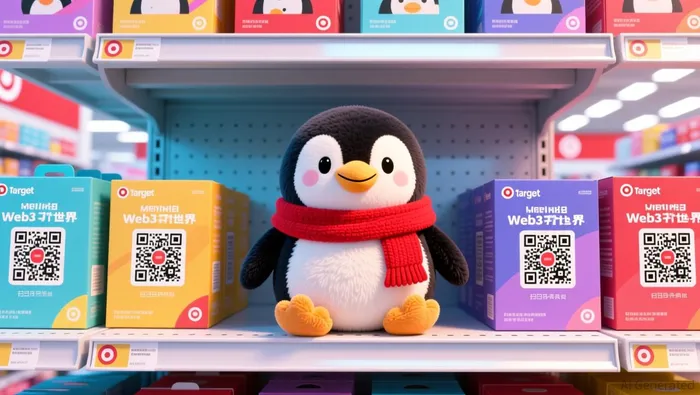
- The project places plush toys in major US retailers to funnel consumers into its Web3 ecosystem
- Approximately 710 million PENGUPENGU-- tokens are unlocked monthly, creating persistent sell-side pressure
- Token value remains disconnected from brand revenue due to lack of direct commercial rights
- Ecosystem utility must generate sufficient buy-side demand to offset ongoing dilution
Pudgy Penguins is executing a significant physical retail strategy, over 1,800 Target stores. This initiative follows successful rollouts at Walmart and Amazon, aiming to acquire users unfamiliar with cryptocurrency through QR-coded toys. The approach seeks to funnel these new consumers into the Web3 ecosystem, thereby expanding the potential holder base. While this strategy builds long-term brand relevance, the token does not directly capture revenue from toy sales. Consequently, price impact depends entirely on successful onboarding and conversion into ecosystem participants.
Concurrently, the PENGU token faces recurring supply inflation from scheduled token unlocks. A notable 703 million PENGU unlock occurred on April 17, 2026, distributed across 19 wallets. Approximately 29.28% of the total supply is allocated to the team and company, with vesting schedules extending through 2028. This creates consistent sell-side pressure that can suppress price rallies, even amid positive brand news. The token’s disclaimer that it holds "no commercial value" further disconnects it from the brand’s financial success.
How Does Retail Expansion Impact Token Value?
The NFT collection stands out for its brand strength and trading volume compared to typical profile picture projects. Unlike many peers, it has expanded into physical retail via 'Pudgy Toys' sold at major retailers, creating a steady demand base beyond crypto-native hype. With a 4.1397 ETH floor and a 57.2% unique-owner ratio, it offers high visibility but carries the highest entry cost among leading collections. This retail strategy aims to acquire users unfamiliar with crypto via QR-coded toys, funneling them into the Web3 ecosystem. However, the token does not directly capture revenue from toy sales. Price impact depends on successful onboarding and conversion into ecosystem participants.
Why Is Token Supply Inflation a Key Risk?
Pudgy Penguins faces recurring supply inflation from scheduled token unlocks that increase circulating supply. A notable 703 million PENGU unlock occurred on April 17, 2026, distributed across 19 wallets. Approximately 29.28% of the total supply is allocated to the team and company, with vesting schedules extending through 2028. This creates consistent sell-side pressure that can suppress price rallies, even amid positive brand news. The token’s disclaimer that it holds "no commercial value" further disconnects it from the brand’s financial success. Near-term price action is likely capped by unlock schedules, while medium-term prospects hinge on whether gaming and staking utility can generate enough demand to absorb new supply.
Can Ecosystem Utility Offset Supply Dilution?
To counter supply inflation, the project is expanding utility through Pudgy World, a browser-based game, and staking with approximately 12% APY. The goal is to make PENGU the central social and transactional currency within its digital ecosystem. However, successful utility growth must create sustainable buy-side demand to offset unlock pressure. Current utility is still developing, and price appreciation requires demand growth to outpace the monthly supply increase of approximately 710 million tokens. Near-term price action is likely capped by unlock schedules, while medium-term prospects hinge on whether gaming and staking utility can generate enough demand to absorb new supply.
The token's value proposition relies on ecosystem utility growth outpacing supply inflation. This creates a divergence between brand success and token price performance. Investors must monitor whether the expanding retail footprint translates into measurable on-chain activity and demand for the utility token. The disconnect between brand revenue and token economics remains a critical factor for long-term valuation.

Blending traditional trading wisdom with cutting-edge cryptocurrency insights.
Latest Articles
Stay ahead of the market.
Get curated U.S. market news, insights and key dates delivered to your inbox.


AInvest
PRO
AInvest
PRO




Comments
No comments yet