
Pudgy Penguins Launches Hybrid NFT Collectibles and Visa-Backed Debit Card to Expand Utility
 Aime Summary
Pudgy Penguins has launched NFC-enabled physical penguin collectibles that authenticate digital NFTs, aiming to strengthen institutional trust in the NFT market by linking tangible and digital assets according to reports.
The project also introduced the PenguPENGU-- Card, a Visa-backed crypto debit card supporting over 25 cryptocurrencies, which enables users to spend crypto at 150 million global merchants by converting it to local currency at checkout as detailed.
Pudgy Penguins' strategy includes a browser-based metaverse, Pudgy World, and digital engagement initiatives to diversify the use of the PENGU token beyond NFT trading according to analysis.
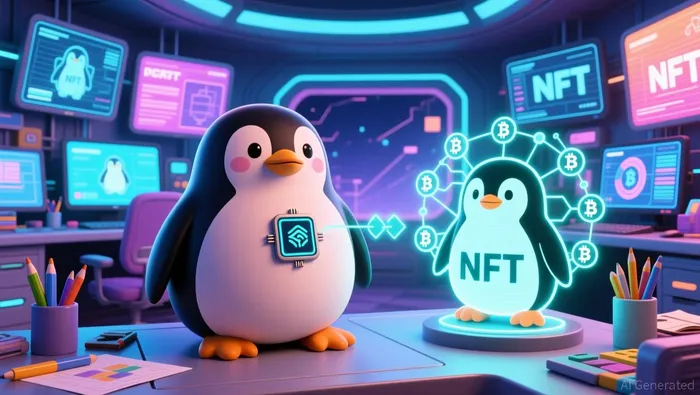
Pudgy Penguins has created a hybrid model with physical penguin collectibles that feature NFC chips, linking them directly to their digital NFT counterparts. These collectibles are intended to appeal to both traditional collectors and Web3 participants by offering a unique blend of physical and digital ownership. The larger size of the physical penguin sold out quickly after release, showing strong demand for this hybrid approach.
The Pengu Card is available in three tiers—Standard, Black, and Gold—each offering different benefits such as cashback and annual yield incentives. The Gold tier, for instance, offers up to 12% cashback and 7% annual yield on eligible balances. The card also supports contactless payments through Apple and Google Wallet, enhancing its usability in daily transactions.
Despite these innovations, the PENGU token has seen a recent price decline of 4.8% in a single day. This drop raises questions about how effectively the project's brand initiatives are translating into increased token value. On-chain analysis suggests that the token's performance is influenced by broader market dynamics and institutional positioning.
Why Is Pudgy PenguinsPENGU-- Introducing Hybrid Collectibles and a Crypto Debit Card?
Pudgy Penguins aims to bridge traditional and Web3 markets by creating physical collectibles that link to digital NFTs, which can help attract both Web3-native and traditional investors. This approach is designed to increase institutional trust in the NFT market by offering verifiable, tangible assets that correspond to digital representations. The integration of NFC technology ensures that each physical penguin is uniquely tied to its NFT counterpart, enhancing authenticity and reducing fraud.
The Pengu Card complements this strategy by expanding the real-world utility of the PENGU token. By allowing users to spend crypto at millions of global merchants, the project hopes to reduce the reliance on NFT price volatility and create a more sustainable demand for the token. The card's ability to automatically convert crypto to local currency at checkout simplifies transactions for everyday users.
What Does This Mean for PENGU Token Value and Market Perception?
The recent 4.8% decline in PENGU token price highlights the challenge of converting cultural appeal into tangible token value. Although Pudgy Penguins has introduced innovative products like the Pengu Card and Pudgy World, market sentiment does not appear to align with the brand's efforts. On-chain analysis indicates that the token's liquidity and consistent trading volume are key differentiators.
The PENGU token's performance has been influenced by broader macroeconomic factors and supply concentration among NFT holders according to analysis. Additionally, governance-centric utility and regulatory risks remain key challenges for the token's long-term success. While the project continues to expand into play-to-earn mechanics and exclusive digital experiences, the token must overcome these hurdles to maintain and grow its market value as reported.
What Are the Risks and Limitations of Pudgy Penguins' Strategy?
Despite the hybrid model and expanding utility, Pudgy Penguins faces several risks, including regulatory challenges, cybersecurity threats, and market volatility according to reports. The Pengu Card and physical collectibles introduce new layers of complexity, such as smart contract vulnerabilities and reliance on third-party platforms like VisaV--. These risks could impact user confidence and adoption.
The PENGU token's performance is also affected by its limited utility beyond NFT trading and governance. While initiatives like the Pengu Card and Pudgy World aim to expand the token's use cases, they must demonstrate real-world adoption to drive demand. The project's ability to attract institutional investors and maintain a strong user base will be critical to its success as noted.
In summary, Pudgy Penguins is attempting to transform the NFT space by integrating physical and digital assets and expanding the practical use of crypto. However, the recent token price decline and market dynamics suggest that translating these innovations into sustained token value remains a significant challenge.

Blending traditional trading wisdom with cutting-edge cryptocurrency insights.
Latest Articles
Stay ahead of the market.
Get curated U.S. market news, insights and key dates delivered to your inbox.


AInvest
PRO
AInvest
PRO



Comments
No comments yet