
Pudgy Penguins Expands Crypto Utility With Visa-Backed Pengu Card
 Aime Summary
Pudgy Penguins has partnered with VanEck to create physical penguin collectibles with NFC chips, enabling owners to redeem digital NFTs and bridging Web3 with traditional finance.
The project introduced the PenguPENGU-- Card, a Visa-backed crypto debit card that supports over 25 cryptocurrencies and 150 million global merchants, enhancing PENGU token utility beyond NFTs.
Pudgy World, a browser-based metaverse, and retail partnerships aim to diversify the project's ecosystem and reduce reliance on NFT speculation.
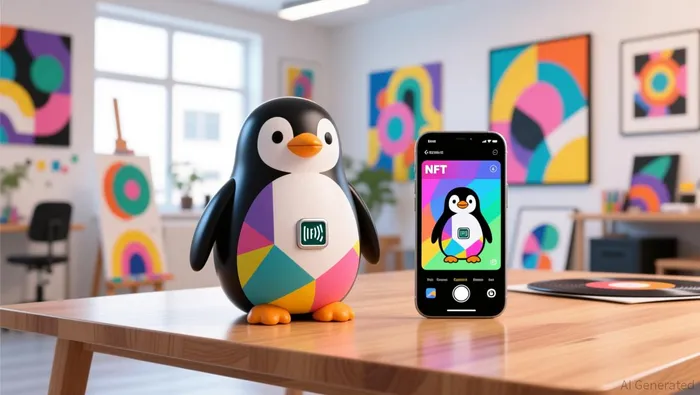
Pudgy Penguins has launched a hybrid model for physical collectibles through a collaboration with VanEck. These include vinyl penguin figures with embedded NFC chips, allowing buyers to claim corresponding digital NFTs. The initiative attracts both traditional collectors and Web3 enthusiasts, aiming to expand the hybrid NFT market.
The Pengu Card, a Visa-backed crypto debit card, enables users to spend cryptocurrencies at 150 million global merchants. The card supports over 25 cryptocurrencies, including USDC, USDT, and PENGU. It automatically converts crypto to fiat at the point of sale, making digital assets more practical for everyday transactions.
Pudgy Penguins is also expanding its ecosystem with Pudgy World, a browser-based metaverse where users can create and interact with penguin avatars. This digital engagement, along with retail partnerships and an animated series, supports the project's transition from NFT speculation to a utility-driven model.
What is the significance of the Pengu Card for Pudgy Penguins?
The Pengu Card represents a strategic shift from speculative NFT trading to real-world financial utility. By enabling crypto spending at 150 million merchants, the card increases the PENGU token's use cases and mainstream adoption. This move aligns with broader industry trends of integrating blockchain assets into traditional finance.
How does Pudgy PenguinsPENGU-- plan to reduce NFT speculation dependence?
Pudgy Penguins is diversifying its offerings beyond NFTs by introducing financial tools like the Pengu Card and digital experiences such as Pudgy World. These initiatives aim to create sustainable demand for PENGU tokens and reduce the project's exposure to NFT price volatility.
What are the risks associated with Pudgy Penguins' strategy?
While Pudgy Penguins is expanding its ecosystem, challenges include regulatory risks, cybersecurity concerns, and competition in the crypto debit card market. The long-term success of the Pengu Card depends on user engagement and maintaining compliance with financial regulations.
Pudgy Penguins has introduced a multi-tiered Pengu Card offering varying levels of cashback and yield incentives. The Gold tier provides up to 12% cashback and 7% annual yield on eligible balances, encouraging higher user participation. The card is also integrated with Apple and Google Wallet for contactless payments, increasing its accessibility.
The project's hybrid model, combining physical and digital assets, is attracting both traditional finance and Web3 investors. By linking physical collectibles with digital NFTs through NFC technology, Pudgy Penguins is bridging the gap between physical and digital ownership, potentially increasing institutional interest.
Pudgy Penguins has also partnered with Amazon to sell digital penguin wearables, making digital collectibles more accessible to mainstream consumers. This expansion into retail and media supports the project's cultural influence and brand recognition, which are crucial for its long-term success.
The PENGU token has shown a 2.56% gain, indicating active market participation. With a volume-to-market-cap ratio of 19.7%, the token suggests genuine trading interest rather than speculative hype. This performance highlights the token's potential as a utility-driven asset within the Pudgy Penguins ecosystem.
The PENGU token's performance also shows geographic variance, with stronger gains observed in regions like Southeast Asia and the Middle East. This suggests that localized factors may influence the token's trading dynamics and could be useful for traders considering regional market exposure.
Pudgy Penguins' transition from pure NFT collectibles to a utility-driven ecosystem has created multiple stakeholder categories with different holding incentives. This diversification is expected to support longer-term price stability for the PENGU token and reduce volatility associated with speculative NFT trading.
The Pengu Card's integration with real-world commerce is a key factor in expanding the PENGU token's utility. By allowing users to spend crypto at global merchants, the card is making digital assets more practical for everyday use. This could lead to sustained demand for PENGU and potentially stabilize its value.
Pudgy Penguins faces several challenges, including rapid shifts in market preferences and regulatory uncertainty. The token's position in the attention economy of crypto means it remains highly exposed to cultural trends, which could impact its long-term value.
For traders considering PENGU exposure, the token's liquidity and geographic performance suggest sufficient market depth for position entry and exit. Monitoring timezone-specific catalysts, particularly in Asian markets, could provide insights into future movements.
Looking ahead, key metrics to monitor include sustained volume above $50 million daily, which would indicate growing institutional interest, and announcements regarding token utility expansion that could catalyze re-rating of the asset's long-term value proposition.

Blending traditional trading wisdom with cutting-edge cryptocurrency insights.
Latest Articles
Stay ahead of the market.
Get curated U.S. market news, insights and key dates delivered to your inbox.


AInvest
PRO
AInvest
PRO



Comments
No comments yet