
Publix Garlic Knot Recall: Allergen Labeling Error Sparks Consumer Safety Concerns
 Aime Summary
- Publix has issued a recall for garlic knot rolls due to an allergen labeling error involving egg according to reports.
- The recall affects 12-count packs of garlic knot rolls sold before March 31, 2026, identified by GTIN 29682800000.
- No illnesses have been reported, but the recall highlights the risks posed by mislabeled allergens for vulnerable consumers as data shows.
The recall of Publix garlic knot rolls due to an undeclared allergen has raised urgent consumer safety concerns. The bakery product in question failed to list egg in its allergen statement, posing a serious risk for customers with egg allergies. While the company has taken swift action to remove the affected product from shelves and issue refunds, the incident underscores the growing importance of allergen labeling in the food retail sector. For investors and financially curious readers, it's not just a consumer safety issue but also a potential regulatory and reputational risk for grocery retailers.
Did Publix's Garlic Knot Recall Affect Consumer Trust?
The Publix garlic knot recall is a clear example of how even small labeling errors can have large consequences. Publix's director of communications, Maria Brous, emphasized the company's commitment to food safety, but the recall has already raised questions about quality control in product labeling. In the grocery industry, consumer trust is paramount, and even a single recall can impact customer perception. For investors, this event serves as a reminder of the regulatory scrutiny and potential liability that accompany food safety issues. Retail investors should consider how such incidents might affect Publix's short-term sales and long-term brand equity.
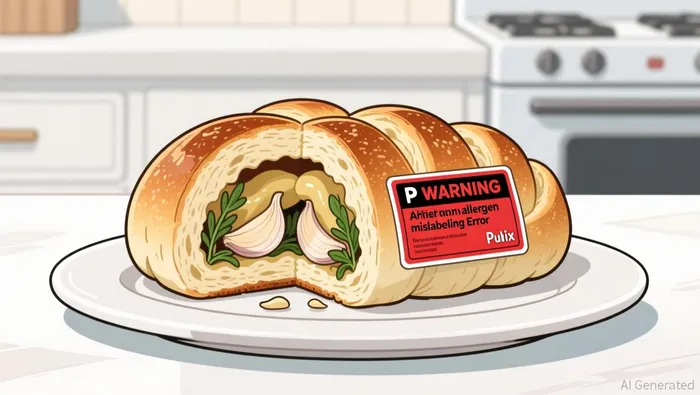
What Do The Publix Garlic Knot Recall Terms Mean For Investors?
A closer look at the Publix garlic knot recall reveals a broader trend: the increasing complexity of allergen labeling in food manufacturing. The U.S. Food and Drug Administration (FDA) mandates clear labeling for the nine major allergens, including egg, to protect vulnerable consumers. In this case, the omission was discovered before any reported incidents, but the recall still has financial implications. Grocery chains must factor in the cost of recalls, including inventory write-offs, refund processing, and brand management. For retail investors, understanding these costs and how companies handle them is key to assessing risk in the food retail sector.
How Should Retail Investors Monitor Publix's Recall Response?
Retail investors should keep a close eye on how Publix manages the garlic knot recall in the coming weeks. Key indicators include the speed and transparency of the company's communication, the number of returned products, and any regulatory follow-up from the FDA. Additionally, investors may want to watch for shifts in customer behavior, such as increased returns or a decline in sales for similar products. The recall also raises the question of whether other grocery chains may face similar issues, which could prompt industry-wide labeling reforms.
Ultimately, the Publix garlic knot recall is a reminder of the importance of product safety in food retail. For investors, it highlights the need to consider both regulatory compliance and consumer trust as critical components of long-term value. While the recall itself may not have a major financial impact in the short term, the broader implications for food safety and quality control are worth monitoring.

Stay ahead of the market.
Get curated U.S. market news, insights and key dates delivered to your inbox.


AInvest
PRO
AInvest
PRO



Comments
No comments yet