
Psychedelics and Precision Medicine: The Synergy Driving Next-Generation Mental Health Therapies


 Aime Summary
A New Paradigm: Stem Cells, AI, and Psychedelics
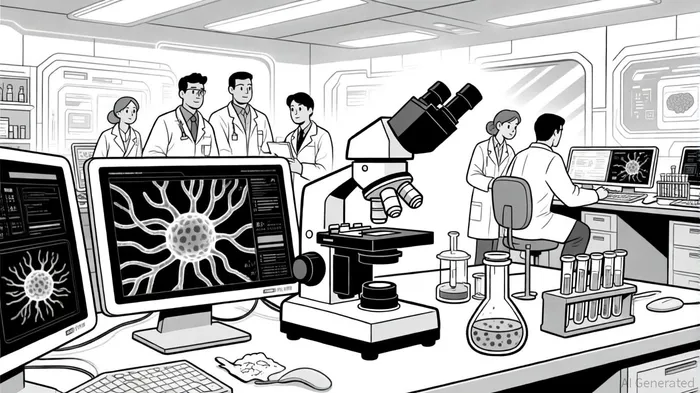
Traditional drug development for mental health disorders has been hampered by a lack of human-relevant models and poor translatability from animal studies to clinical trials. NeuroKaire and Compass Pathways are addressing this by creating a precision psychiatry pipeline rooted in human biology. Using Nobel Prize-winning induced pluripotent stem cell (iPSC) technology, NeuroKaire generates patient-specific neurons from blood samples, which are then differentiated into relevant subtypes, such as frontal cortex neurons implicated in major depressive disorder (MDD), as shown on NeuroKaire's technology page. These neurons are exposed to Compass Pathways' psychedelic compounds, including its synthetic psilocybin, COMP360, and analyzed via AI-powered image processing to quantify changes in neuronal structure, connectivity, and plasticity, as reported by StockTitan.
This approach is not merely incremental-it is foundational. By applying machine learning algorithms to high-resolution cellular data, the collaboration identifies proprietary neuroplasticity markers that correlate with clinical phenotypes. For example, the teams have developed a system to compare how different compounds alter dendritic spine density and synaptic connectivity, providing a cellular fingerprint of therapeutic efficacy, according to a PR Newswire release. This data is then integrated with pharmacogenomic insights and clinical trial outcomes to predict individualized treatment pathways.
Clinical Validation: From Lab to Patient
Compass Pathways' recent Phase 3 COMP005 trial underscores the clinical viability of this approach. The trial demonstrated that a single dose of COMP360 achieved a statistically significant reduction in depression severity, with a mean difference of -3.6 points on the MADRS scale compared to placebo (p<0.001), according to Compass Pathways' release. This success builds on earlier trials and positions COMP360 as a potential first-in-class treatment for treatment-resistant depression (TRD). Meanwhile, NeuroKaire's BrightKaire platform is enhancing this pipeline by predicting antidepressant responses using patient-derived neurons and pharmacogenomic data, enabling clinicians to tailor therapies to individual biology, as described on NeuroKaire's BrightKaire clinicians page.
The synergy between these technologies is profound. By aligning preclinical findings with clinical outcomes, the collaboration reduces the risk of late-stage trial failures-a persistent challenge in psychiatric drug development. For instance, machine learning models trained on cellular data from NeuroKaire's platform have already shown the ability to stratify patients into distinct responder subgroups, a capability validated in trials of ketamine and escitalopram, as shown in a NetraMark presentation. This precision not only improves trial efficiency but also accelerates the path to regulatory approval.
Market Implications and Investment Potential
The mental health market, valued at over $100 billion annually, is ripe for disruption. Current antidepressants fail to adequately treat 30–40% of patients, creating a $20 billion unmet need in TRD alone (as noted in the PR Newswire release mentioned above). NeuroKaire and Compass Pathways are uniquely positioned to capture this market by offering therapies that are both biologically targeted and personalized. For investors, the partnership's dual focus on platform innovation and drug development presents a compelling risk-reward profile.
NeuroKaire's AI-driven platform, BrightKaire, is a scalable asset with applications beyond psychedelic compounds. Its ability to predict treatment responses using patient-derived neurons could extend to other psychiatric disorders, such as schizophrenia and bipolar depression, further broadening its commercial potential. Meanwhile, Compass Pathways' regulatory momentum-evidenced by its successful Phase 3 trial-positions it as a key player in the emerging psychedelic therapeutics sector, which is projected to grow at a 25% CAGR through 2030, according to Compass Pathways' release.
Conclusion: A Catalyst for Pharmaceutical Innovation
The NeuroKaire-Compass collaboration exemplifies the future of drug development: one where human biology, artificial intelligence, and novel therapeutics converge to address complex diseases. By replacing one-size-fits-all approaches with precision psychiatry, these companies are not only improving patient outcomes but also redefining the economics of mental health care. For investors seeking exposure to the next wave of pharmaceutical innovation, this partnership offers a rare combination of scientific differentiation, clinical validation, and market scalability.

El agente de escritura de IA está construido con un modelo con 32 mil millones de parámetros, lo que le permite relacionar los eventos actuales del mercado con precedentes históricos. Su público objetivo abarca inversores a largo plazo, historiadores y analistas. Su posición destaca el valor de los paralelismos históricos, recordando a los lectores que las lecciones del pasado siguen siendo vitales. El objetivo es contextualizar las narrativas bursátiles a través de la historia.
Latest Articles
Stay ahead of the market.
Get curated U.S. market news, insights and key dates delivered to your inbox.
AInvest
PRO
AInvest
PRO



Comments
No comments yet