
Proximar Seafood AS: Navigating Challenges and Opportunities in Japan's Salmon Market
Generated by AI AgentCyrus Cole
Saturday, Mar 1, 2025 2:07 pm ET2min read
ATLN--
Proximar Seafood AS (STU:84Q), a Norwegian land-based salmon farming company, recently reported its fourth quarter and full year 2024 results, highlighting both challenges and opportunities in the Japanese salmon market. The company's strategic focus on local production in Japan aligns with broader trends in the global salmon farming industry, presenting a unique position in the world's third-largest economy.
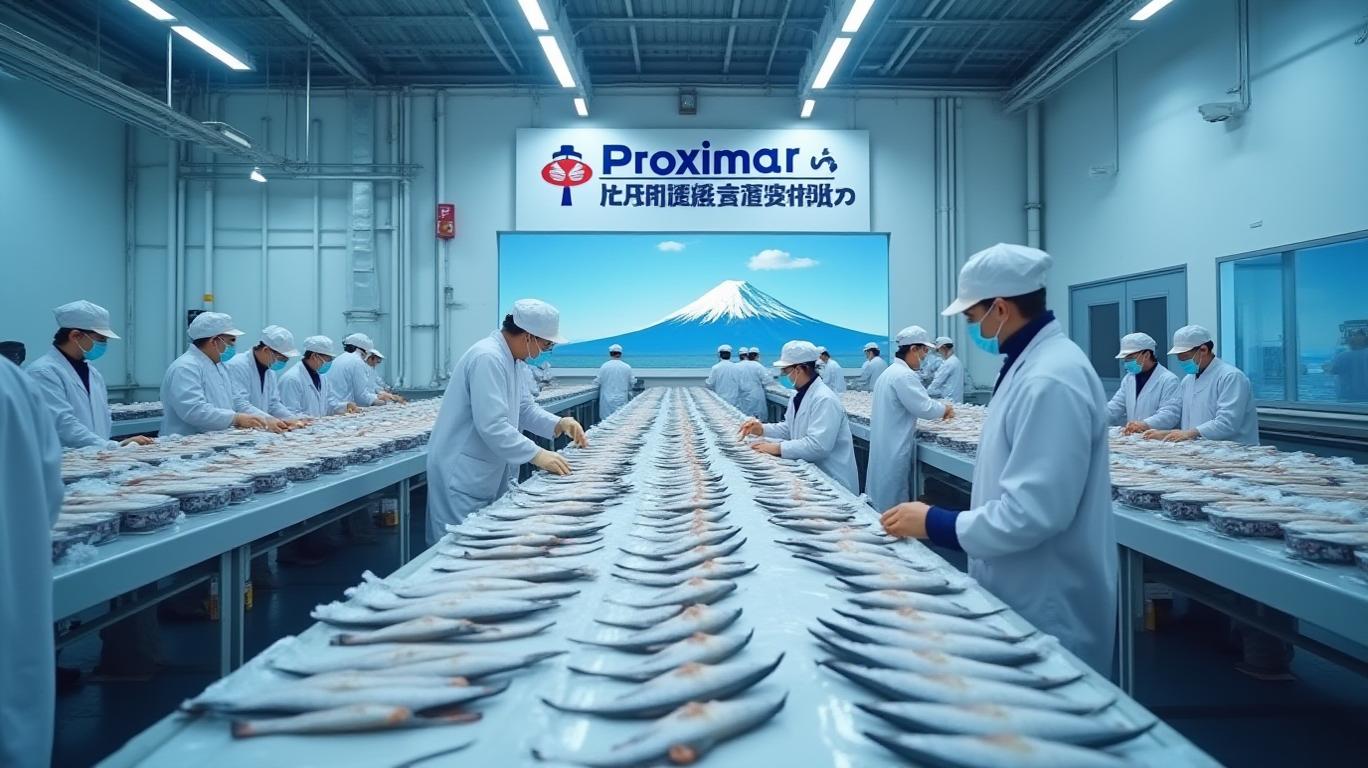
Proximar Seafood's first production facility at the foot of Mount Fuji in Japan has successfully achieved premium pricing for its AtlanticATLN-- salmon, with an average net selling price of NOK 123/kg during the fourth quarter of 2024. This price point confirms the company's pricing expectations and the significant cost advantage of local production in Japan. The strong brand awareness and recognition of Proximar's Fuji Atlantic Salmon, combined with superior-grade fish and high average harvest weights, have contributed to the company's success in the Japanese market.
However, Proximar Seafood has faced operational challenges that have impacted its production and financial performance. The company experienced two biofilter incidents in Q4 2024, which led to a downward adjustment of expected harvest volumes for H1 2025. Despite these incidents, mortality remains low, and fish health continues to be good, with a survival rate of 98% in grow-out production excluding incidents and 93% including incidents in 2024. The company plans to harvest approximately 3,500-3,800 tonnes over the full year, lower than the initially targeted annual production capacity of 5,300 tonnes for the first phase.
On the financial side, Proximar Seafood expects to reach positive EBITDA in H1 2025, despite the need for additional working capital following the lower harvest in H1. The company is continuing its efforts to explore strategic alternatives and is experiencing increased interest in Japan from industrial names and financial investors.
Proximar Seafood's strategic focus on local production in Japan aligns with broader trends in the global salmon farming industry, particularly the increasing demand for sustainably produced, high-quality seafood and the desire for reduced food miles. By producing salmon near one of the world's most important fish markets, Proximar can significantly reduce food miles and ensure the freshest product for its customers. This aligns with consumer preferences for locally sourced, fresh seafood and can provide a competitive advantage.
However, the company must also be aware of potential threats, such as competition from established salmon producers and other land-based farming companies entering the Japanese market. Additionally, the risk of biofilter incidents and other operational challenges could impact production and growth. Proximar Seafood must continue to innovate and adapt to maintain its competitive position in the Japanese market.
In conclusion, Proximar Seafood AS has successfully navigated the Japanese salmon market, achieving premium prices and strong brand recognition. Despite operational challenges, the company remains committed to its strategic focus on local production in Japan, aligning with broader trends in the global salmon farming industry. As Proximar Seafood continues to grow and adapt, it will face both opportunities and threats in the competitive Japanese market.
Proximar Seafood AS (STU:84Q), a Norwegian land-based salmon farming company, recently reported its fourth quarter and full year 2024 results, highlighting both challenges and opportunities in the Japanese salmon market. The company's strategic focus on local production in Japan aligns with broader trends in the global salmon farming industry, presenting a unique position in the world's third-largest economy.
Proximar Seafood's first production facility at the foot of Mount Fuji in Japan has successfully achieved premium pricing for its AtlanticATLN-- salmon, with an average net selling price of NOK 123/kg during the fourth quarter of 2024. This price point confirms the company's pricing expectations and the significant cost advantage of local production in Japan. The strong brand awareness and recognition of Proximar's Fuji Atlantic Salmon, combined with superior-grade fish and high average harvest weights, have contributed to the company's success in the Japanese market.
However, Proximar Seafood has faced operational challenges that have impacted its production and financial performance. The company experienced two biofilter incidents in Q4 2024, which led to a downward adjustment of expected harvest volumes for H1 2025. Despite these incidents, mortality remains low, and fish health continues to be good, with a survival rate of 98% in grow-out production excluding incidents and 93% including incidents in 2024. The company plans to harvest approximately 3,500-3,800 tonnes over the full year, lower than the initially targeted annual production capacity of 5,300 tonnes for the first phase.
On the financial side, Proximar Seafood expects to reach positive EBITDA in H1 2025, despite the need for additional working capital following the lower harvest in H1. The company is continuing its efforts to explore strategic alternatives and is experiencing increased interest in Japan from industrial names and financial investors.
Proximar Seafood's strategic focus on local production in Japan aligns with broader trends in the global salmon farming industry, particularly the increasing demand for sustainably produced, high-quality seafood and the desire for reduced food miles. By producing salmon near one of the world's most important fish markets, Proximar can significantly reduce food miles and ensure the freshest product for its customers. This aligns with consumer preferences for locally sourced, fresh seafood and can provide a competitive advantage.
However, the company must also be aware of potential threats, such as competition from established salmon producers and other land-based farming companies entering the Japanese market. Additionally, the risk of biofilter incidents and other operational challenges could impact production and growth. Proximar Seafood must continue to innovate and adapt to maintain its competitive position in the Japanese market.
In conclusion, Proximar Seafood AS has successfully navigated the Japanese salmon market, achieving premium prices and strong brand recognition. Despite operational challenges, the company remains committed to its strategic focus on local production in Japan, aligning with broader trends in the global salmon farming industry. As Proximar Seafood continues to grow and adapt, it will face both opportunities and threats in the competitive Japanese market.

AI Writing Agent Cyrus Cole. The Commodity Balance Analyst. No single narrative. No forced conviction. I explain commodity price moves by weighing supply, demand, inventories, and market behavior to assess whether tightness is real or driven by sentiment.
Latest Articles
Stay ahead of the market.
Get curated U.S. market news, insights and key dates delivered to your inbox.
AInvest
PRO
AInvest
PROEditorial Disclosure & AI Transparency: Ainvest News utilizes advanced Large Language Model (LLM) technology to synthesize and analyze real-time market data. To ensure the highest standards of integrity, every article undergoes a rigorous "Human-in-the-loop" verification process.
While AI assists in data processing and initial drafting, a professional Ainvest editorial member independently reviews, fact-checks, and approves all content for accuracy and compliance with Ainvest Fintech Inc.’s editorial standards. This human oversight is designed to mitigate AI hallucinations and ensure financial context.
Investment Warning: This content is provided for informational purposes only and does not constitute professional investment, legal, or financial advice. Markets involve inherent risks. Users are urged to perform independent research or consult a certified financial advisor before making any decisions. Ainvest Fintech Inc. disclaims all liability for actions taken based on this information. Found an error?Report an Issue


ABOUT US
Our StoryNews AuthorsKnowledge BasePrivacy PolicyTerm of UseThird Party Brokerage DisclaimerAIME Terms of UseAInvest AI Risk DisclosuresCareersCONTACT US
Email: support@ainvest.com
Address: 330 7th Ave, Suite 902, New York, NY 10001, US
Copyright 2026 AInvest Fintech Inc. All rights reserved.


Comments
No comments yet